Choosing the right cordless tool platform is like picking a long-term partner — it’ll shape your work efficiency, costs, and even your mood for years to come. So before diving in, let’s talk about how to choose a cordless ecosystem1 that truly fits you.
The best cordless tool platform depends on battery compatibility, brand reliability, and long-term support. It’s not just about power—it’s about ensuring your tools, batteries, and chargers work seamlessly together over time.
The truth? Once you commit to a system, you’re in deep. Batteries, chargers, and accessories all lock you in. So let’s break this down in a practical way — no fluff, just what matters when you’re choosing your cordless ecosystem1.
Battery Compatibility: The Key to a Future-Proof Cordless System
The battery is the heart of every cordless platform. It determines how far your tools can go — and how flexible your investment will be over time.
Battery compatibility means one battery fits multiple tools in the same ecosystem, helping reduce costs, simplify storage, and ensure consistent performance across your cordless lineup.
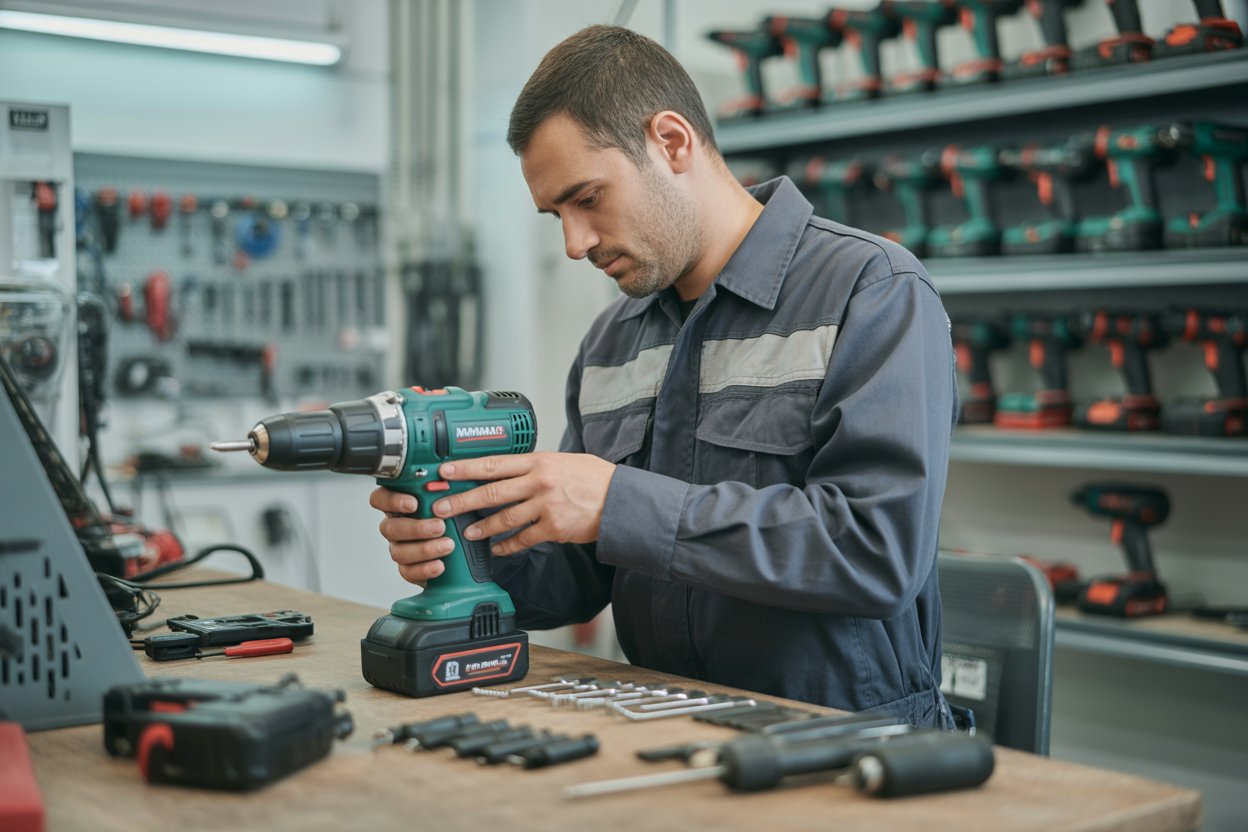
When I first started working with cordless systems, I made the rookie mistake of mixing brands. Different chargers. Different voltages. Pure chaos. Now, I stick with one platform for everything — from drills to saws — because it saves me time, money, and frustration.
Why Compatibility Matters
Let’s put it simply:
| Factor | Benefit |
|---|---|
| One battery for many tools | Lower cost, easier logistics |
| Standardized voltage | Consistent performance |
| Fewer chargers | Less clutter, faster charging rotation |
| Long-term investment | Future-proof your setup |
Choosing a platform with solid backward and forward battery compatibility means you’re building something sustainable. That’s why ecosystems like DeWalt’s 20V MAX system or Makita’s LXT line stand out — they’ve kept compatibility steady for years.
Top Cordless Tool Brands Compared: Milwaukee vs DeWalt vs Makita
We all have that one friend who swears their brand is “the best.” But the truth? Each has strengths — it’s about what matters most to you.
Milwaukee leads in heavy-duty innovation, DeWalt balances power with accessibility, and Makita excels in ergonomics and battery life — each fits a different type of user.
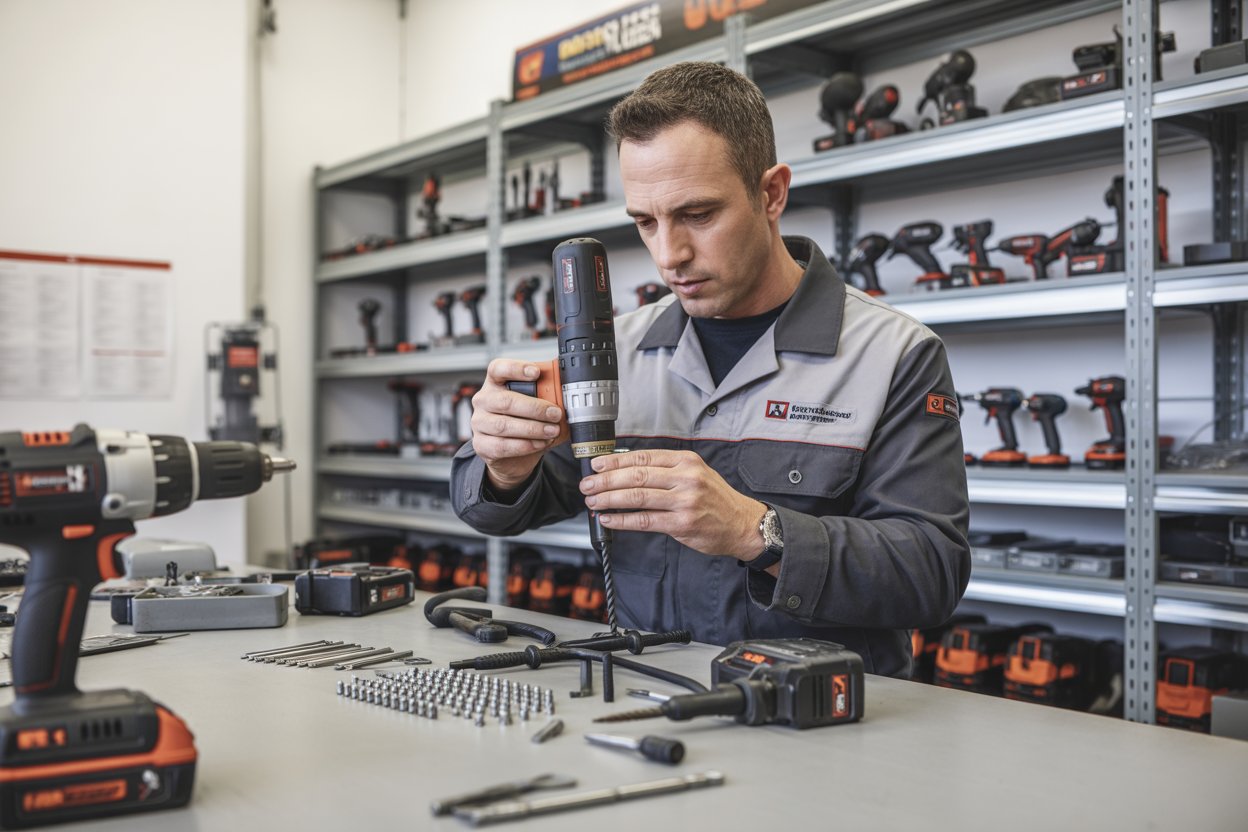
I’ve used all three — Milwaukee feels like a tank (perfect for industrial work), DeWalt is my go-to for general projects, and Makita? Smooth and balanced, ideal for long hours without hand fatigue.
| Brand | Strength | Ideal For |
|---|---|---|
| Milwaukee | Raw power & advanced tech | Industrial / heavy-duty users |
| DeWalt | Strong performance & availability | Contractors & remodelers |
| Makita | Lightweight & efficient | DIYers & light professionals |
Personal Insight
If you often work on site, DeWalt’s global service network can be a lifesaver. But if precision and comfort matter most, Makita’s lighter build might win you over. Milwaukee’s M18 system, though pricey, is unbeatable for torque-demanding tools like impact wrenches.
Performance vs Price: Finding the Right Balance for Your Needs
We all love power, but let’s be honest — not every job needs the most expensive tool in the room.
Balancing performance and price means choosing tools that meet your real-world needs without overspending on unnecessary features or branding.
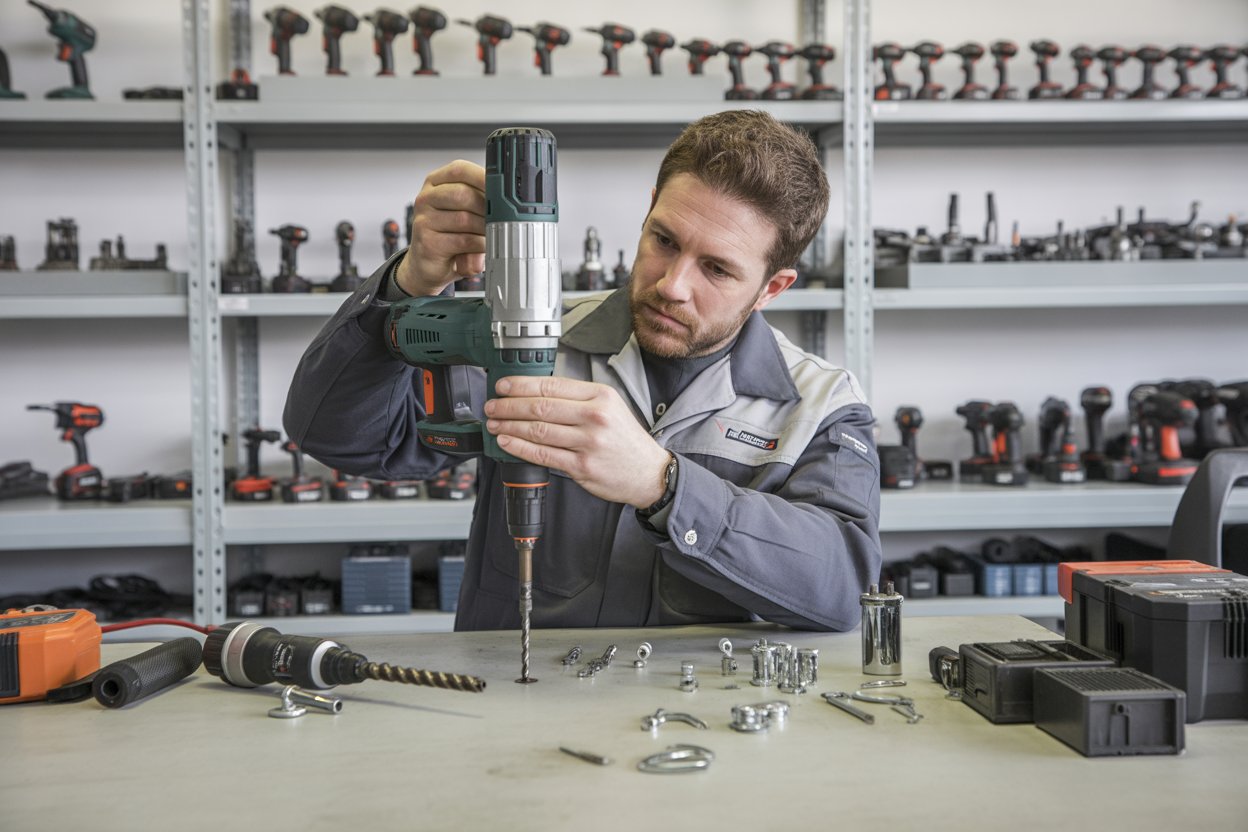
When I was sourcing tools for my clients, I often saw buyers fall into the “overbuy” trap — paying for specs they’d never use. Here’s how I keep things real:
Practical Framework
| Consideration | Tip |
|---|---|
| Frequency of use | Daily use? Go for pro-grade. Occasional? Mid-tier is fine. |
| Tool type | Spend more on high-torque tools (impact, grinder). |
| Brand support | Choose brands with spare parts easily available. |
| Resale value | Stronger ecosystems retain better resale prices. |
Sometimes, a mid-range system gives 90% of the performance at 60% of the price — and that extra savings? Better invested in spare batteries or accessories. Remember, a tool only performs as well as the battery behind it.
Longevity and After-Sales Support: What Really Matters Beyond Power
Here’s the thing — even the best tools wear down. What matters most is how your brand supports you when that happens.
After-sales support ensures replacement parts, battery warranties, and service centers are accessible — extending tool life and maximizing your investment.
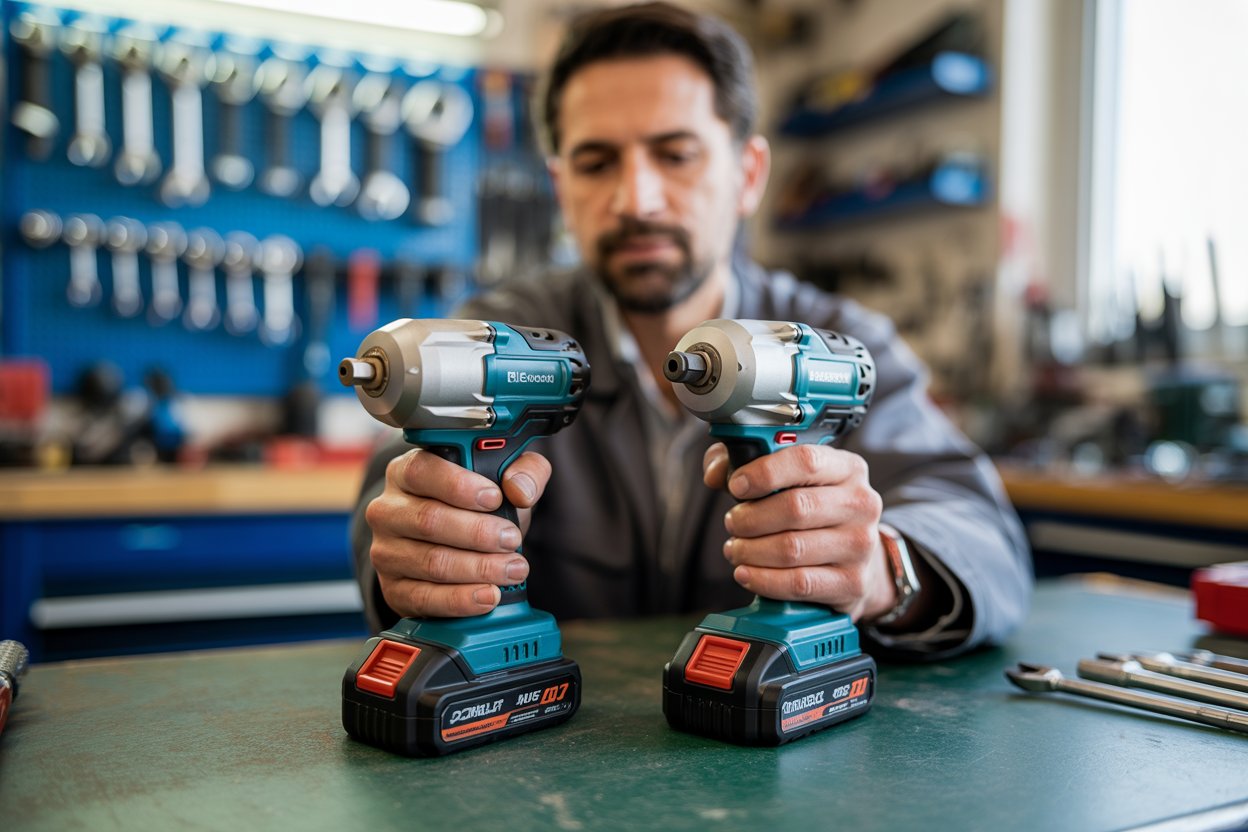
I once had a DeWalt drill die a week before a project deadline. Their local service center fixed it in three days — no drama, no hidden fees. That kind of reliability builds trust.
Meanwhile, a cheaper no-name tool? It might work well at first, but when it breaks, you’re on your own.
Support Checklist
| Support Factor | What to Check |
|---|---|
| Warranty duration | 1–3 years standard, longer for pro models |
| Service network | Local or regional repair centers |
| Spare parts | Availability for at least 5 years |
| Certification authenticity | Verify CE, GS, or UL marks are genuine |
If your supplier can’t provide real certificates or a repair channel, walk away. The short-term savings will vanish the moment something breaks.
Conclusion
In the end, choosing a cordless tool ecosystem isn’t just a purchase — it’s a partnership. Stick with a compatible, reliable system backed by genuine support, and it’ll reward you for years to come — job after job, project after project.