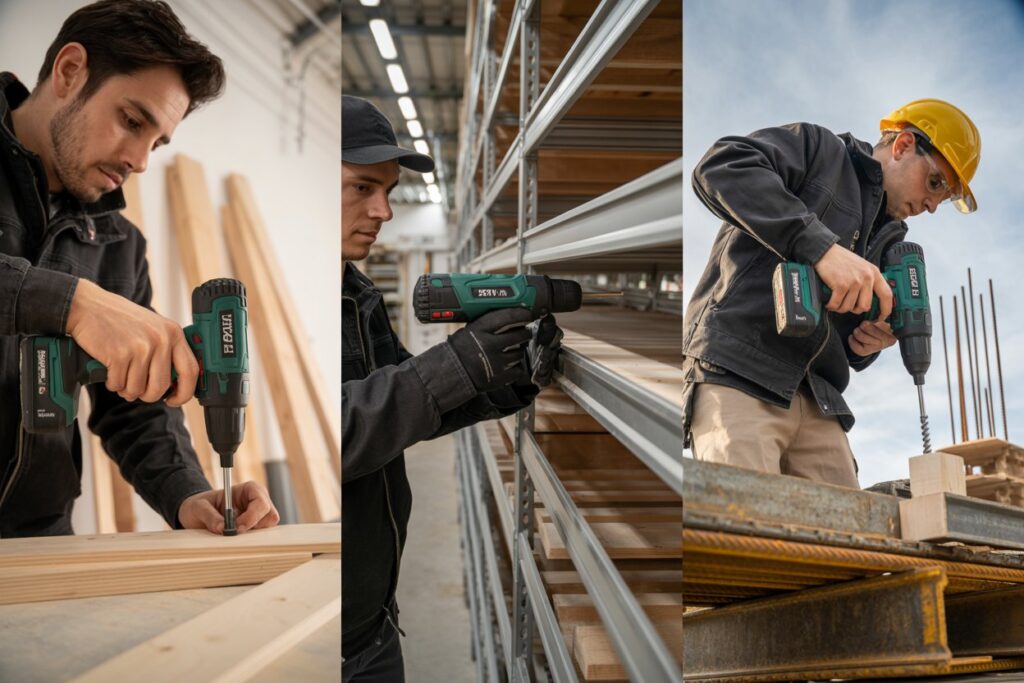
When I think about how far cordless tools have come, it still amazes me. Once, we were chained to power cords. Now, lithium batteries give us freedom, power, and endurance like never before. Let’s talk about how that happened—and what’s next for cordless tool power.
Lithium-ion technology, fast-charging systems, and high-capacity cells have transformed cordless tools by offering longer runtime, faster recovery, and improved efficiency. These advancements make modern tools more reliable, powerful, and convenient for professionals and DIY users alike.
When I visit trade fairs, I often meet buyers who still ask, “Is the battery really strong enough for daily work?” The answer is yes—but only if you understand what’s behind the specs. So let’s break down how lithium batteries evolved and how charging tech and capacity shape performance.
The Evolution of Lithium-Ion Batteries in Cordless Tools
It’s hard to believe that not long ago, we relied on Ni-Cd batteries—heavy, short-lived, and frustratingly slow.
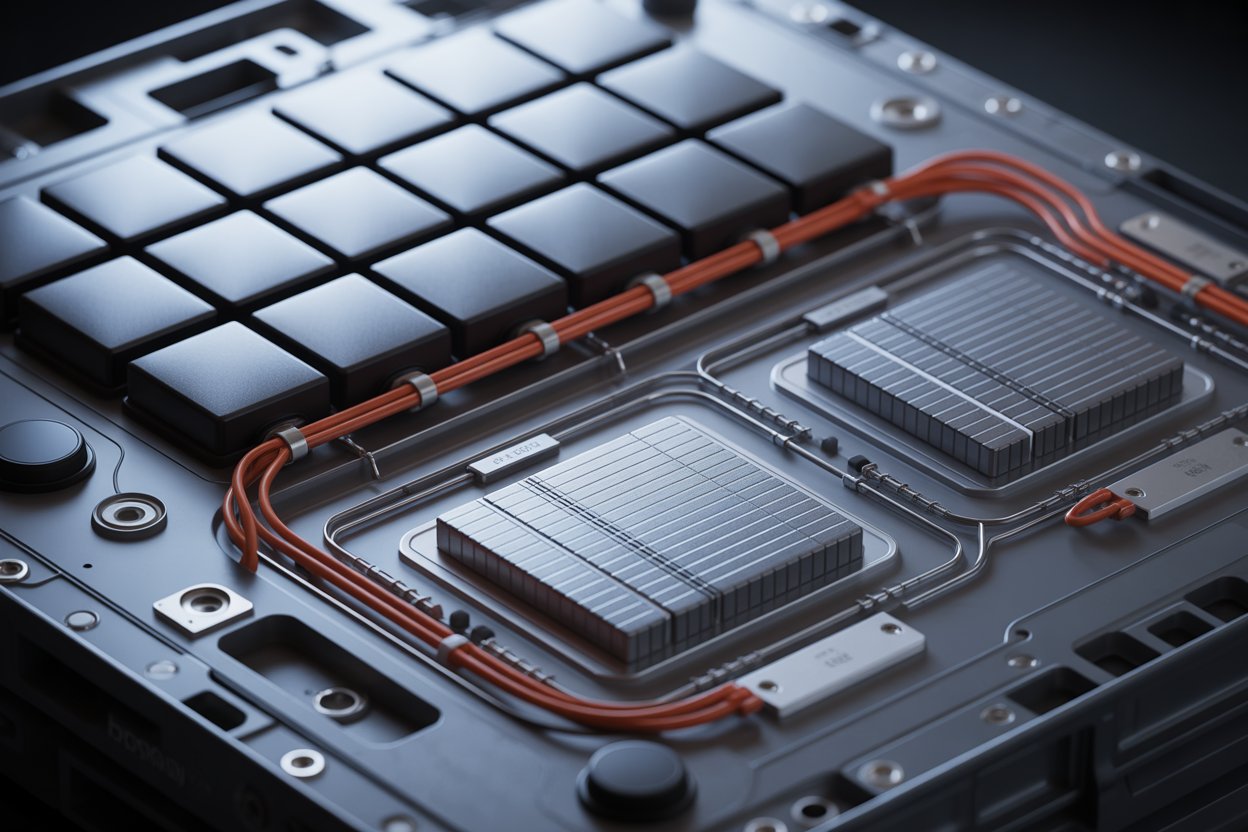
Lithium-ion batteries replaced older Ni-Cd and Ni-MH types by delivering higher energy density, lighter weight, and longer lifespans. They also support smart control systems that prevent overcharging and extend overall tool life.
I still remember the first time I held a cordless drill powered by lithium-ion—it felt like holding the future. The tool was lighter, the runtime longer, and for once, I didn’t need a spare pack mid-job.
Here’s a simple comparison I often show buyers:
| Feature | Ni-Cd | Ni-MH | Lithium-Ion |
|---|---|---|---|
| Weight | Heavy | Medium | Light |
| Memory Effect | Strong | Moderate | None |
| Energy Density | Low | Medium | High |
| Lifespan | Short | Moderate | Long |
| Charging Time | Slow | Medium | Fast |
Why it matters
Lithium-ion batteries store more power in smaller packs. This means fewer interruptions and better balance in hand tools. Plus, they’re cleaner—no toxic metals, no “battery memory” issues.
Modern battery management systems even regulate temperature and power flow, ensuring safety and consistent performance. This evolution isn’t just about efficiency—it’s about trust. You can start a job knowing the power will last as long as you do.
Fast-Charging Technology: Reducing Downtime on the Job
Time is money—especially when deadlines are tight and you can’t wait for batteries to charge.
Fast-charging systems use intelligent voltage control and active cooling to restore up to 80% battery power in less than 30 minutes without damaging cell health.
When I’m working with clients, this is one of the features that always gets attention. Nobody wants to waste an hour waiting for a charge. Modern chargers use smart algorithms that control heat buildup, protecting the battery even under rapid charge cycles.
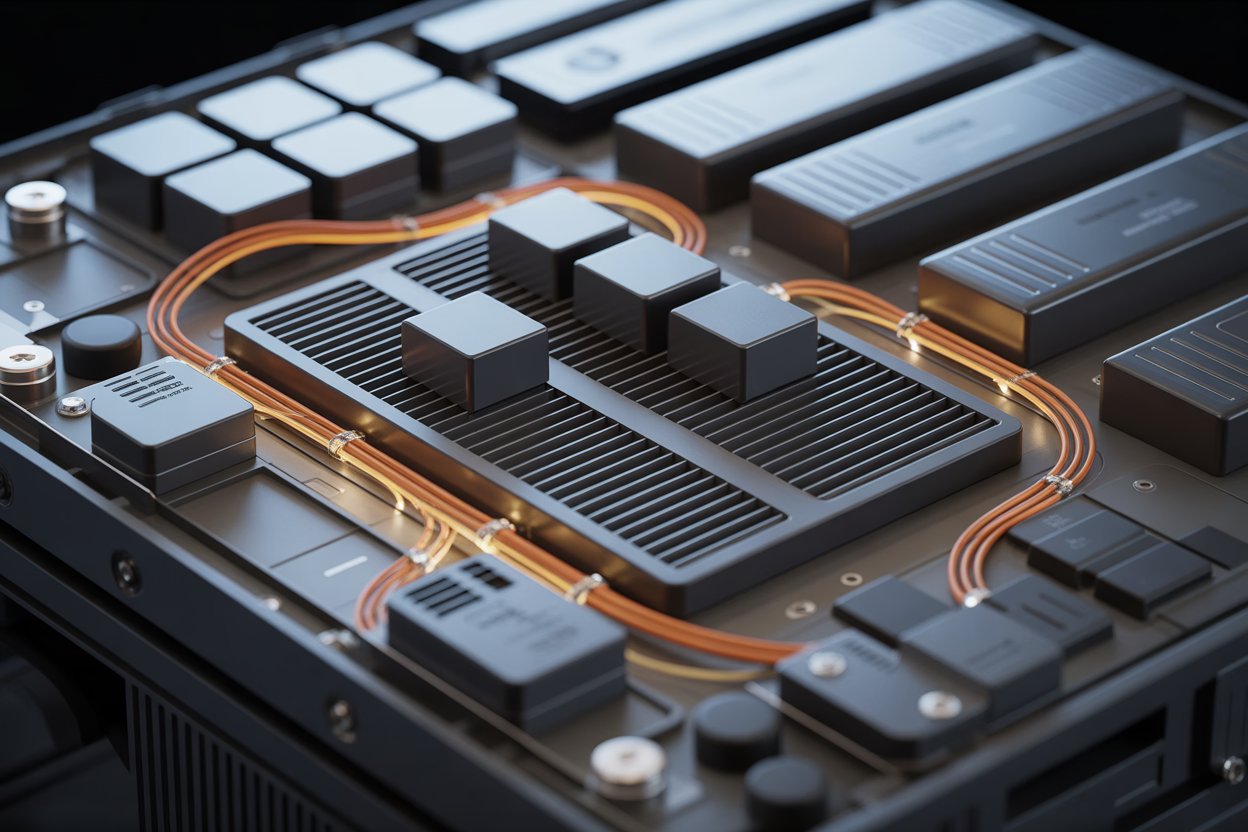
Think of it like refueling a race car—you need speed, but you can’t risk overheating the engine. Fast chargers now come with dual cooling fans, temperature sensors, and optimized current flow. Some even communicate directly with the battery to adjust the charge rate in real time.
| Charger Type | Typical Charge Time (Ah) | Cooling System | Battery Health Impact |
|---|---|---|---|
| Standard | 60–90 mins | Passive | Low |
| Fast Charger | 25–40 mins | Active | Minimal |
If your workflow is high-paced—like assembly lines or repair shops—investing in smart charging docks can literally save hours per week. And when you multiply that by the number of tools on-site, it’s not just convenient—it’s profitable.
High-Capacity Batteries: More Power for Heavy-Duty Tasks
When you’re tackling tough materials—steel bolts, hardwood, or concrete—you need endurance. That’s where high-capacity batteries step in.
High-capacity lithium batteries provide greater amp-hour (Ah) ratings, allowing longer runtimes and stronger torque output for demanding applications like automotive or construction work.
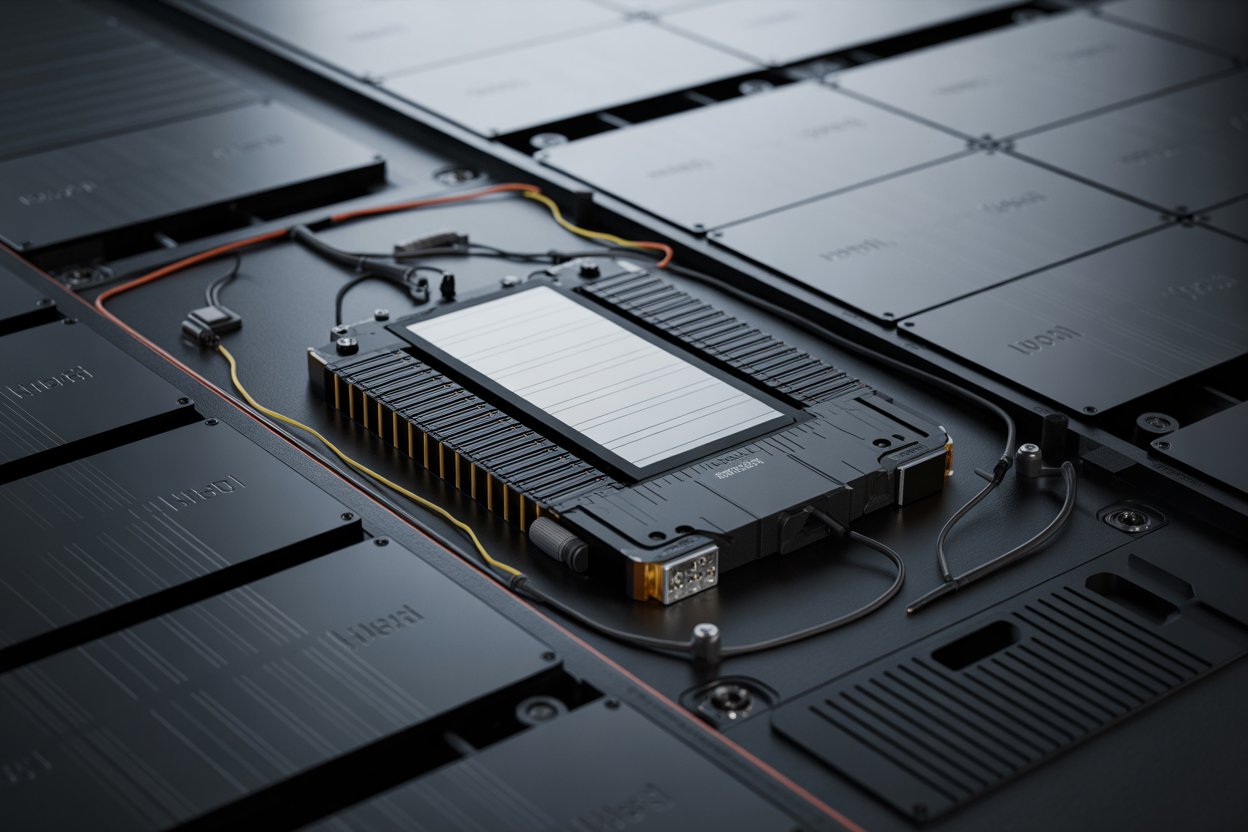
A few years ago, I was testing a cordless impact wrench in our factory that used a 5.0Ah pack. It ran circles around the old 2.0Ah version. Same motor, same tool—just more fuel in the tank.
Here’s a quick reference I share with clients:
| Capacity | Runtime | Suitable Tasks |
|---|---|---|
| 2.0Ah | Short | Light-duty, quick repairs |
| 4.0Ah | Medium | General use, assembly |
| 5.0Ah–8.0Ah | Long | Heavy-duty, industrial jobs |
Key insight
It’s not only about working longer—it’s about working stronger. Higher capacity batteries maintain voltage stability under load, so torque stays consistent even near the end of the charge. However, they’re also heavier. So, it’s important to find the right balance depending on your workflow.
If you’re in automotive repair, for instance, a mid-range 4.0Ah may be enough. But if you’re on a construction site all day, go big. You’ll thank yourself later.
Balancing Power, Weight, and Heat Management
Every battery has its limits—push it too hard, and you’ll feel the heat. Literally.
Balancing power, weight, and temperature control ensures longer battery life, consistent performance, and safe tool operation. Advanced thermal management prevents overheating during continuous heavy use.
This part hits home for me because I’ve seen tools fail from poor heat control. Some batteries expand or shut down mid-task—it’s frustrating. That’s why I always tell buyers: check for cooling vents and smart chips.
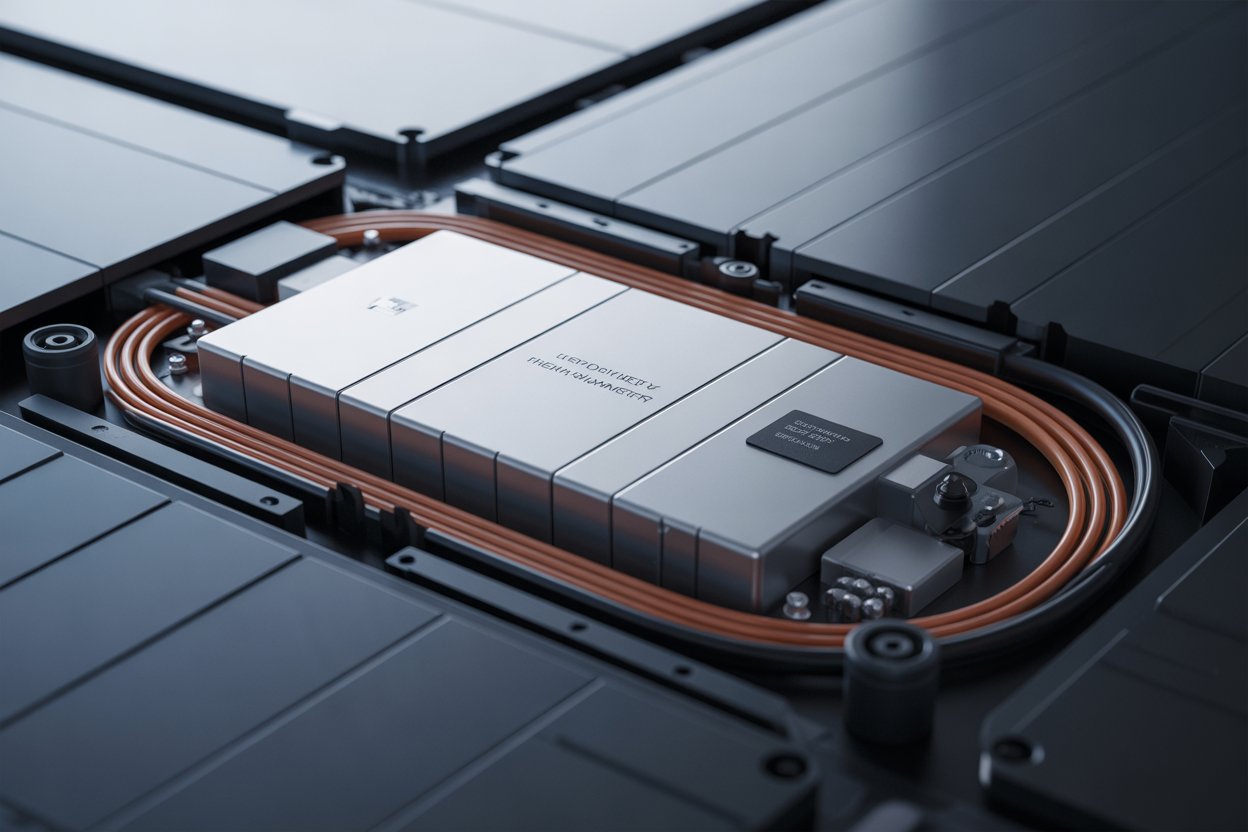
Modern packs use aluminum casings or internal cooling channels that dissipate heat quickly. They also feature built-in sensors that communicate with the charger or tool motor to reduce load when things get too hot.
| Factor | Good Practice | Benefit |
|---|---|---|
| Power | Match tool rating | Avoid strain |
| Weight | Under 2.5kg | Better handling |
| Heat | Smart cooling system | Longer life |
Manufacturers like YOUWE now combine these systems into a single ecosystem—battery, charger, and tool communicate seamlessly. It’s like having a built-in safety net that ensures efficiency and durability every step of the way.
Conclusion
The future of cordless tools isn’t just about raw power—it’s about smarter, faster, and longer-lasting energy. With lithium-ion technology, fast charging, and better cooling, we’re finally free to work without limits—and that’s a game-changer worth appreciating.
Brand: YOUWE
Slogan: Power Tools Manufacturer
Website: www.professionalwrench.com
When I think about how far cordless tools have come, it still amazes me. Once, we were chained to power cords. Now, lithium batteries give us freedom, power, and endurance like never before. Let’s talk about how that happened—and what’s next for cordless tool power.
Lithium-ion technology, fast-charging systems, and high-capacity cells have transformed cordless tools by offering longer runtime, faster recovery, and improved efficiency. These advancements make modern tools more reliable, powerful, and convenient for professionals and DIY users alike.
When I visit trade fairs, I often meet buyers who still ask, “Is the battery really strong enough for daily work?” The answer is yes—but only if you understand what’s behind the specs. So let’s break down how lithium batteries evolved and how charging tech and capacity shape performance.
The Evolution of Lithium-Ion Batteries in Cordless Tools
It’s hard to believe that not long ago, we relied on Ni-Cd batteries1—heavy, short-lived, and frustratingly slow.
Lithium-ion batteries replaced older Ni-Cd and Ni-MH types by delivering higher energy density, lighter weight, and longer lifespans. They also support smart control systems that prevent overcharging and extend overall tool life.
I still remember the first time I held a cordless drill powered by lithium-ion—it felt like holding the future. The tool was lighter, the runtime longer, and for once, I didn’t need a spare pack mid-job.
Here’s a simple comparison I often show buyers:
| Feature | Ni-Cd | Ni-MH | Lithium-Ion |
|---|---|---|---|
| Weight | Heavy | Medium | Light |
| Memory Effect | Strong | Moderate | None |
| Energy Density | Low | Medium | High |
| Lifespan | Short | Moderate | Long |
| Charging Time | Slow | Medium | Fast |
Why it matters
Lithium-ion batteries store more power in smaller packs. This means fewer interruptions and better balance in hand tools. Plus, they’re cleaner—no toxic metals, no “battery memory” issues.
Modern [battery management systems](https://www.synopsys.com/glossary/what-is-a-battery-management-system.html)2 even regulate temperature and power flow, ensuring safety and consistent performance. This evolution isn’t just about efficiency—it’s about trust. You can start a job knowing the power will last as long as you do.
Fast-Charging Technology: Reducing Downtime on the Job
Time is money—especially when deadlines are tight and you can’t wait for batteries to charge.
Fast-charging systems use intelligent voltage control and active cooling to restore up to 80% battery power in less than 30 minutes without damaging cell health.
When I’m working with clients, this is one of the features that always gets attention. Nobody wants to waste an hour waiting for a charge. Modern chargers use smart algorithms3 that control heat buildup, protecting the battery even under rapid charge cycles.
Think of it like refueling a race car—you need speed, but you can’t risk overheating the engine. Fast chargers now come with dual cooling fans, temperature sensors, and optimized current flow. Some even communicate directly with the battery to adjust the charge rate in real time.
| Charger Type | Typical Charge Time (Ah) | Cooling System | Battery Health Impact |
|---|---|---|---|
| Standard | 60–90 mins | Passive | Low |
| Fast Charger | 25–40 mins | Active | Minimal |
If your workflow is high-paced—like assembly lines or repair shops—investing in smart charging docks can literally save hours per week. And when you multiply that by the number of tools on-site, it’s not just convenient—it’s profitable.
High-Capacity Batteries: More Power for Heavy-Duty Tasks
When you’re tackling tough materials—steel bolts, hardwood, or concrete—you need endurance. That’s where high-capacity batteries step in.
High-capacity lithium batteries provide greater amp-hour (Ah) ratings, allowing longer runtimes and stronger torque output for demanding applications like automotive or construction work.
A few years ago, I was testing a cordless impact wrench in our factory that used a 5.0Ah pack. It ran circles around the old 2.0Ah version. Same motor, same tool—just more fuel in the tank.
Here’s a quick reference I share with clients:
| Capacity | Runtime | Suitable Tasks |
|---|---|---|
| 2.0Ah | Short | Light-duty, quick repairs |
| 4.0Ah | Medium | General use, assembly |
| 5.0Ah–8.0Ah | Long | Heavy-duty, industrial jobs |
Key insight
It’s not only about working longer—it’s about working stronger. Higher capacity batteries maintain voltage stability4 under load, so torque stays consistent even near the end of the charge. However, they’re also heavier. So, it’s important to find the right balance depending on your workflow.
If you’re in automotive repair, for instance, a mid-range 4.0Ah may be enough. But if you’re on a construction site all day, go big. You’ll thank yourself later.
Balancing Power, Weight, and Heat Management
Every battery has its limits—push it too hard, and you’ll feel the heat. Literally.
Balancing power, weight, and temperature control ensures longer battery life, consistent performance, and safe tool operation. Advanced thermal management prevents overheating during continuous heavy use.
This part hits home for me because I’ve seen tools fail from poor heat control. Some batteries expand or shut down mid-task—it’s frustrating. That’s why I always tell buyers: check for cooling vents and smart chips.
Modern packs use aluminum casings or internal cooling channels that dissipate heat quickly. They also feature built-in sensors that communicate with the charger or tool motor to reduce load when things get too hot.
| Factor | Good Practice | Benefit |
|---|---|---|
| Power | Match tool rating | Avoid strain |
| Weight | Under 2.5kg | Better handling |
| Heat | Smart cooling system5 | Longer life |
Manufacturers like YOUWE now combine these systems into a single ecosystem—battery, charger, and tool communicate seamlessly. It’s like having a built-in safety net that ensures efficiency and durability every step of the way.
Conclusion
The future of cordless tools isn’t just about raw power—it’s about smarter, faster, and longer-lasting energy. With lithium-ion technology, fast charging, and better cooling, we’re finally free to work without limits—and that’s a game-changer worth appreciating.
Brand: YOUWE
Slogan: Power Tools Manufacturer
Website: www.professionalwrench.com
-
Find out why Ni-Cd batteries are being phased out in favor of Lithium-ion technology. ↩
-
Understand the role of battery management systems in ensuring safety and performance. ↩
-
Learn how smart algorithms optimize battery charging for better performance. ↩
-
Understand how voltage stability affects the performance of cordless tools. ↩
-
Explore different cooling systems and their role in maintaining battery health. ↩