
Opening paragraph...
I still remember the first time I saw a cordless drill connect to a phone app. It blew my mind — not because it was flashy, but because it made sense. We live in a connected world, and now, our tools are joining the conversation.
Snippet paragraph...
Smart cordless tools with IoT integration use built-in sensors and app connectivity to collect real-time data. They allow users to monitor performance, track tool usage, adjust settings remotely, and improve efficiency, making professional work safer, smarter, and more predictable.
transition paragraph...
In the past, cordless tools were about raw power. Now, they’re about intelligent power. Let’s explore how IoT, smart apps, and data analytics are reshaping the way we use and manage tools on modern job sites — and what that means for those of us who depend on them every day.
How Is IoT Transforming the Cordless Tool Industry?
As someone who’s worked around power tools for years, I’ve seen firsthand how quickly technology changes the game. IoT isn’t just a buzzword—it’s already transforming workshops and job sites.
Snippet paragraph...
IoT is transforming the cordless tool industry by connecting tools to digital ecosystems. Through wireless communication, users can track tool performance, location, and usage data, helping reduce downtime, improve maintenance planning, and enhance operational efficiency.
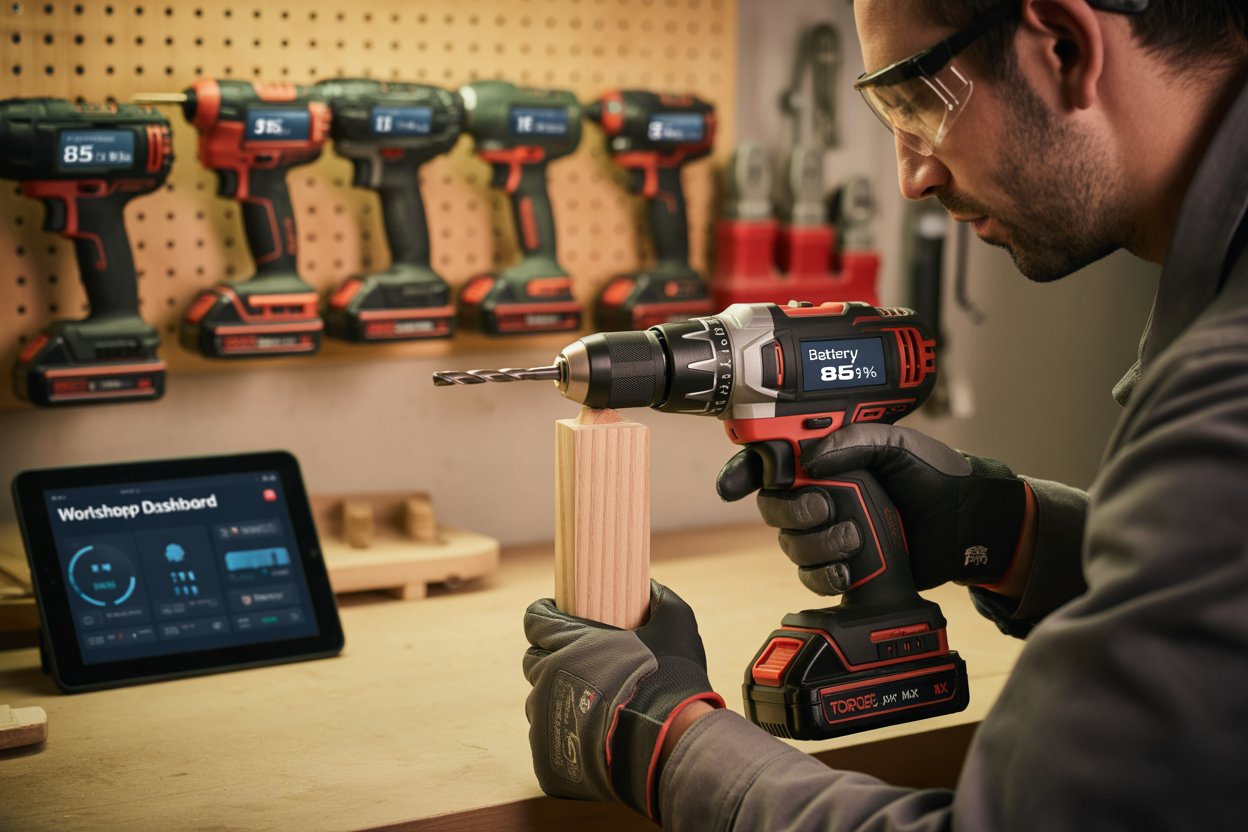
When I visit trade shows like the Canton Fair or Germany’s Hardware Expo, I see a clear trend: connectivity is becoming the new standard.
Manufacturers are embedding sensors and chips in drills, wrenches, and saws that collect real-time data. This data syncs to cloud platforms, giving users insights like torque accuracy, usage hours, and even theft detection.
Real-World Applications
Let’s take fleet management. Imagine you own 50 cordless tools across multiple projects. With IoT tracking, you can instantly see which ones are overused or underused.
That means less guesswork, fewer breakdowns, and better cost control — something every sourcing manager dreams of.
| IoT Feature | Practical Benefit |
|---|---|
| Tool tracking | Prevents loss or theft |
| Performance data | Predicts maintenance needs |
| Cloud analytics | Improves resource allocation |
It’s not just about convenience. It’s about making your investments work smarter for you — especially in an industry where time and precision equal profit.
How Does App Connectivity Improve Control and Monitoring?
When I first connected a tool to its app, it felt strange — like my phone had suddenly become my toolbox. But once I saw how much control I had, I never looked back.
Snippet paragraph...
App-connected cordless tools let users customize torque, speed, and lighting settings while monitoring battery life and performance data. This real-time visibility helps prevent overuse, extends tool life, and ensures more precise work results.
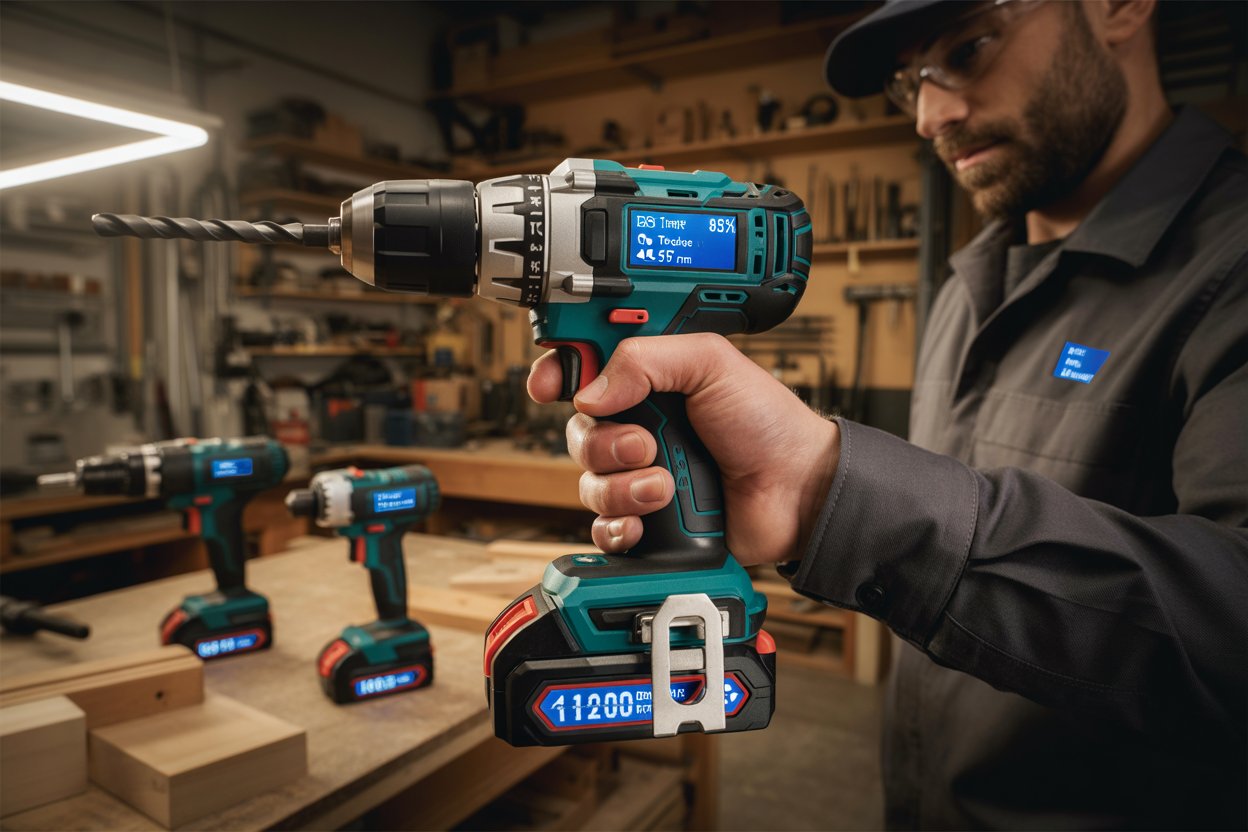
Most of today’s smart tools come with dedicated apps that give users deep control. You can set torque limits for delicate tasks or boost speed for tougher materials — all from your phone.
Apps can also store usage data and alert you before the battery overheats or wears down.
My Takeaway
For buyers like Deivis in Italy, who rebrand and resell cordless tools, app integration can be a powerful selling point. It adds tangible value for professional users who care about control and precision.
It also creates a unique marketing edge — a feature that speaks both to innovation and practicality.
| Function | Benefit |
|---|---|
| Torque setting | Prevents overtightening |
| Battery alerts | Avoids downtime |
| Firmware updates | Ensures optimal performance |
This isn’t about making tools “fancy.” It’s about giving users options — and in our business, options equal confidence.
What Role Does Data-Driven Maintenance Play?
Maintenance used to be reactive — wait for something to break, then fix it. Now, IoT flips that logic on its head.
Snippet paragraph...
Data-driven maintenance uses sensor data and analytics to predict when a cordless tool needs service. This proactive approach reduces unexpected downtime, lowers maintenance costs, and extends tool lifespan.
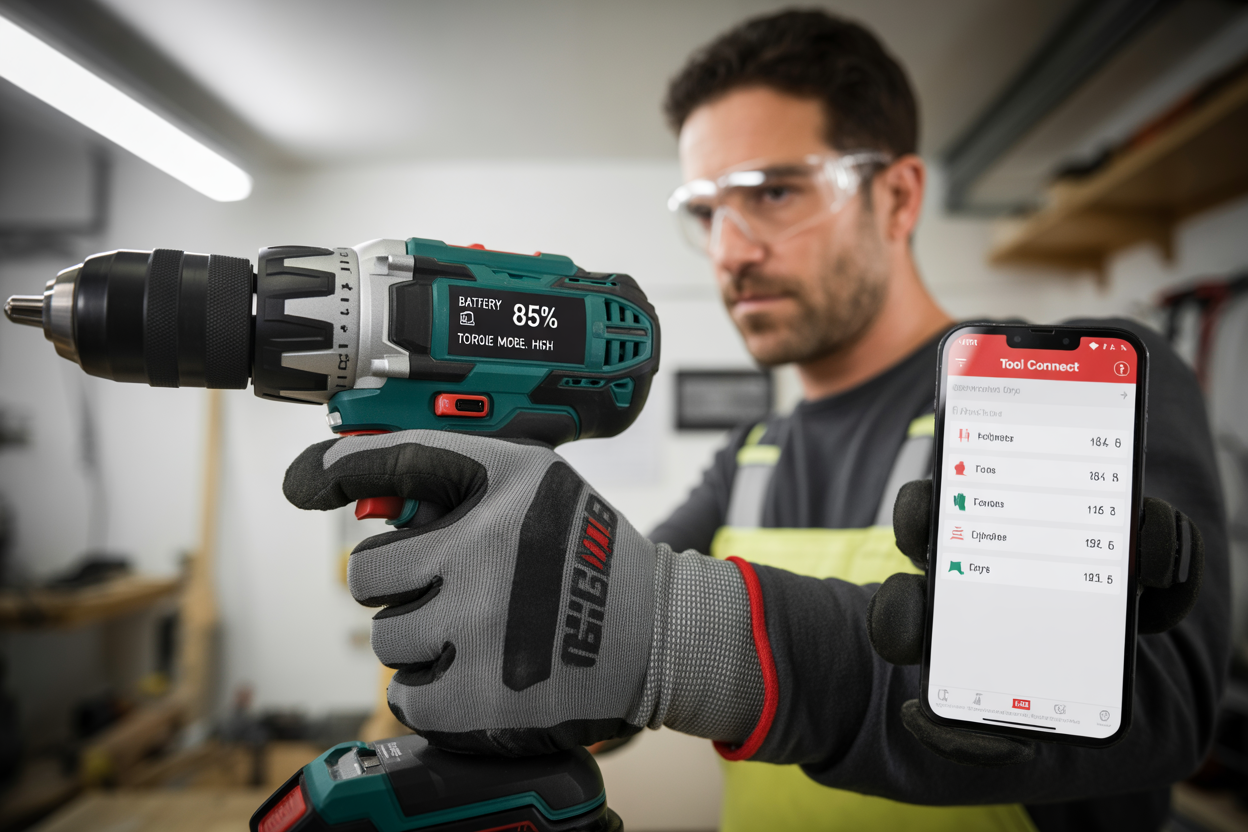
Let’s be honest — downtime kills profits. When a cordless wrench fails mid-project, it doesn’t just slow work; it breaks trust with your clients. That’s why predictive maintenance is a game changer.
With IoT data, you can see wear levels, battery cycles, and motor performance before problems arise. Some apps even suggest maintenance schedules or auto-notify suppliers for spare parts.
Imagine getting a notification that says, “Your drill motor will need service in 10 hours of use.” That’s not science fiction — it’s already happening with leading tool brands.
| Maintenance Type | Description | Benefit |
|---|---|---|
| Reactive | Fix after failure | High cost, low efficiency |
| Preventive | Regular checkups | Moderate cost |
| Predictive | Based on data insights | Lowest cost, minimal downtime |
It’s the difference between hoping your tool lasts and knowing it will.
What’s the Future of Connected Job Sites?
Sometimes I picture future job sites — fewer wires, more data, and tools that “talk” to each other. It sounds futuristic, but we’re already halfway there.
Snippet paragraph...
Connected job sites use IoT-enabled tools, wearables, and sensors to share real-time information. This improves safety, efficiency, and coordination between workers and machines, reducing risks and increasing productivity.
Connected tools aren’t just about performance—they’re part of a bigger ecosystem.
Imagine tools syncing with construction management software, safety helmets with sensors warning workers of nearby hazards, or machines pausing automatically when someone enters a danger zone.
It’s all about communication — between tools, people, and data systems.
For companies that rely on suppliers like YOUWE, these innovations aren’t far away. We’re already testing smarter lithium systems and Bluetooth-enabled wrenches that sync usage reports to the cloud.
The future? A fully integrated, intelligent workspace where everything — from drills to forklifts — is connected.
It’s efficient. It’s safer. And it’s coming faster than most people think.
Conclusion
The rise of IoT in cordless tools isn’t just about tech—it’s about making our work smarter, safer, and more human. At YOUWE, we’re not chasing trends. We’re building tools that help people do their jobs better, one smart connection at a time.