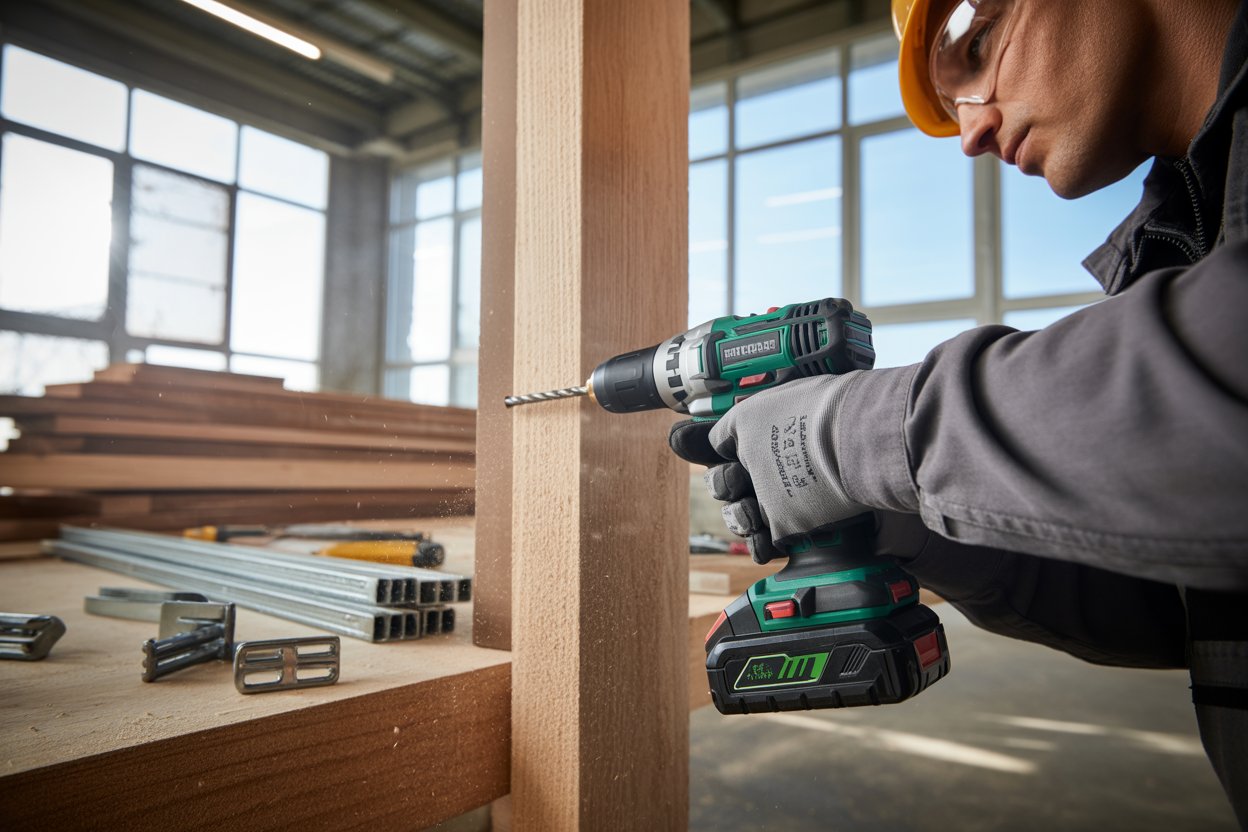
Higher voltage and high-capacity batteries1 are transforming the cordless tool industry. More power, longer runtimes, and smarter energy management — that’s the new standard. But how do these innovations really change your day-to-day work?
High-voltage systems deliver stronger torque and faster performance, while high-capacity batteries ensure longer runtime and stability under heavy loads. Together, they redefine what cordless tools can achieve — from efficiency to endurance.
As a manufacturer, I’ve seen firsthand how these upgrades reshape both production and user experience. Let’s dig deeper into how voltage and capacity drive the future of cordless performance.
Why Voltage Matters: Understanding Power Output in Cordless Tools
Voltage isn’t just a number — it’s the “muscle” behind every cordless tool’s performance.
Voltage directly affects torque and speed output. Higher voltage tools deliver stronger torque for heavy-duty jobs, while lower voltage systems are ideal for light and precise applications.
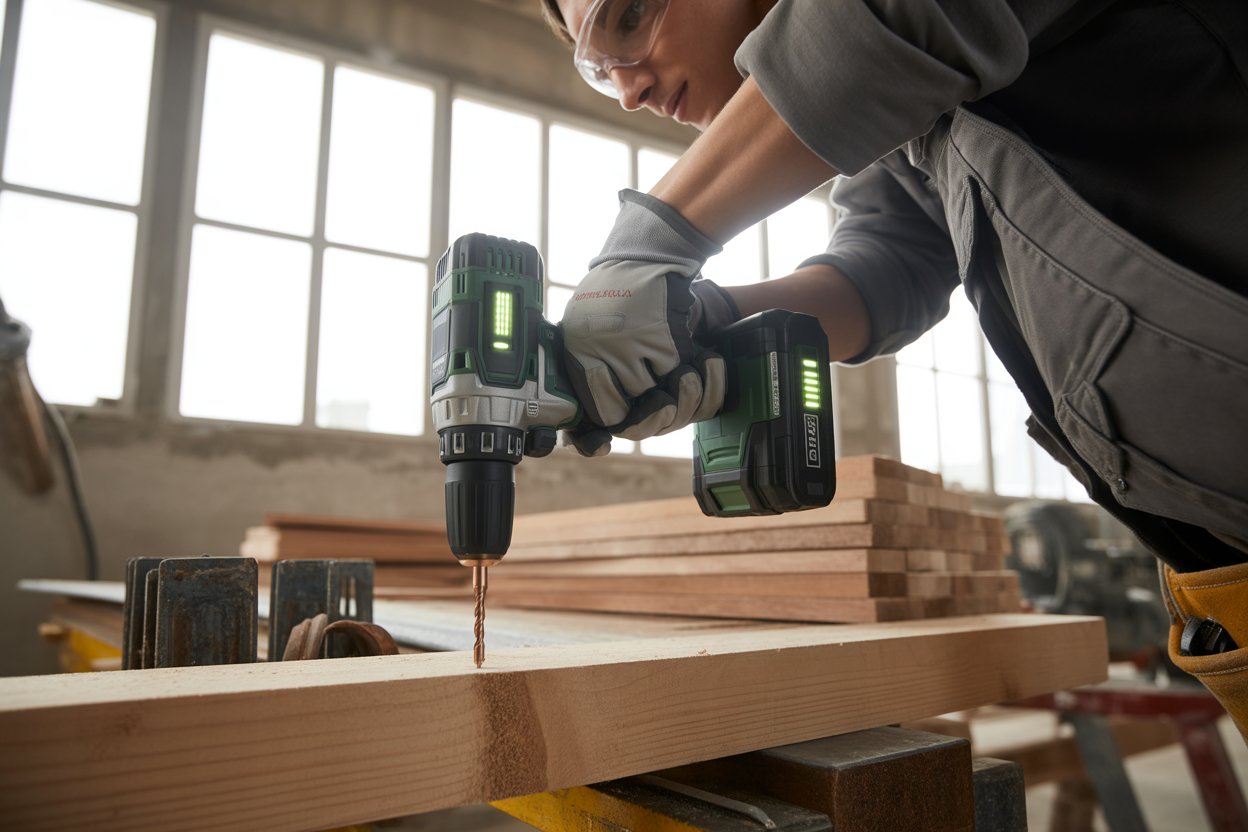
When I first started testing different voltage systems, I realized something simple: power means control. A 12V drill feels nimble, perfect for quick fixes. But a 60V impact wrench? That’s a beast built for construction-grade work.
Let’s compare:
| Voltage Range | Typical Tool Type | Application Example |
|---|---|---|
| 12V–18V | Compact drills, screwdrivers | Light assembly work |
| 20V–36V | Wrenches, grinders | Medium construction tasks |
| 40V–60V+ | Chainsaws, rotary hammers | Heavy-duty industrial use |
The Real-world Impact of Voltage
With higher voltage, users can maintain torque under load, cutting down work time significantly. However, it’s not just about raw power — voltage also influences battery heat, tool longevity, and energy efficiency. When selecting voltage, balance is everything. Choosing the wrong setup could mean excess weight or wasted power — a common mistake I’ve seen buyers make.
High-Capacity Batteries: Extending Runtime for Demanding Applications
Ever been halfway through a job and the battery dies? That’s where capacity steps in.
Battery capacity, measured in amp-hours (Ah), determines how long your tool runs before needing a recharge. Higher Ah ratings mean longer operation times and greater stability during high-demand tasks.
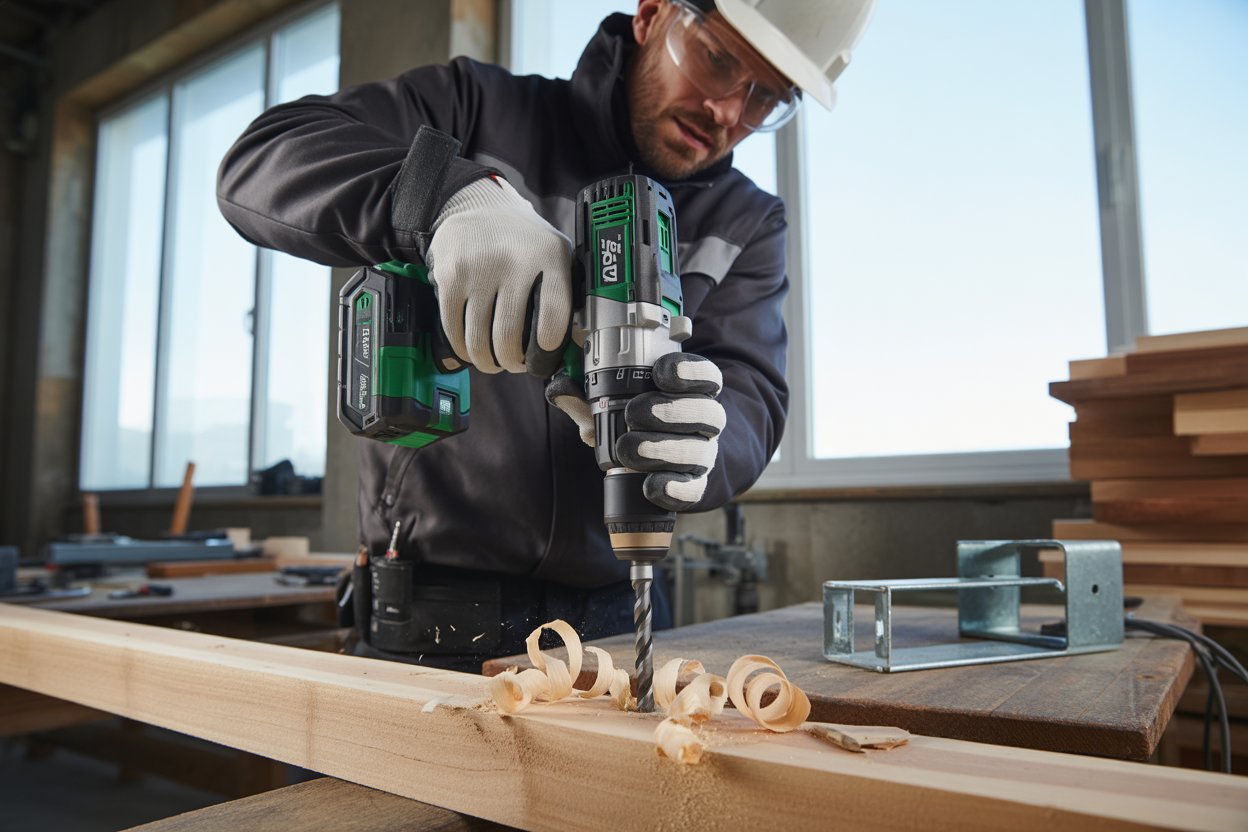
I remember one client from Italy — a contractor — who told me how switching from 2.0Ah to 5.0Ah packs changed his work rhythm completely. “I don’t stop anymore,” he said, “I just work.” That’s what capacity does: it keeps the workflow alive.
| Capacity (Ah) | Runtime Level | Typical Usage |
|---|---|---|
| 2.0Ah–3.0Ah | Short jobs | Occasional DIY |
| 4.0Ah–6.0Ah | Medium projects | Professional use |
| 8.0Ah+ | Extended runtime | Industrial operations |
How Capacity Affects Productivity
Higher capacity doesn’t just extend runtime — it also stabilizes power delivery under stress. That means fewer performance drops when cutting dense wood or drilling through metal. Still, larger batteries come with extra weight. I often tell customers: find your “sweet spot” — enough capacity to finish your shift, but not so much that fatigue sets in.
Balancing Power and Portability in Next-Generation Battery Systems
This is the part where technology meets practicality.
Balancing voltage and capacity is essential to achieve both performance and comfort. Advanced battery systems now use smart management chips and improved cell structures to keep tools powerful yet lightweight.
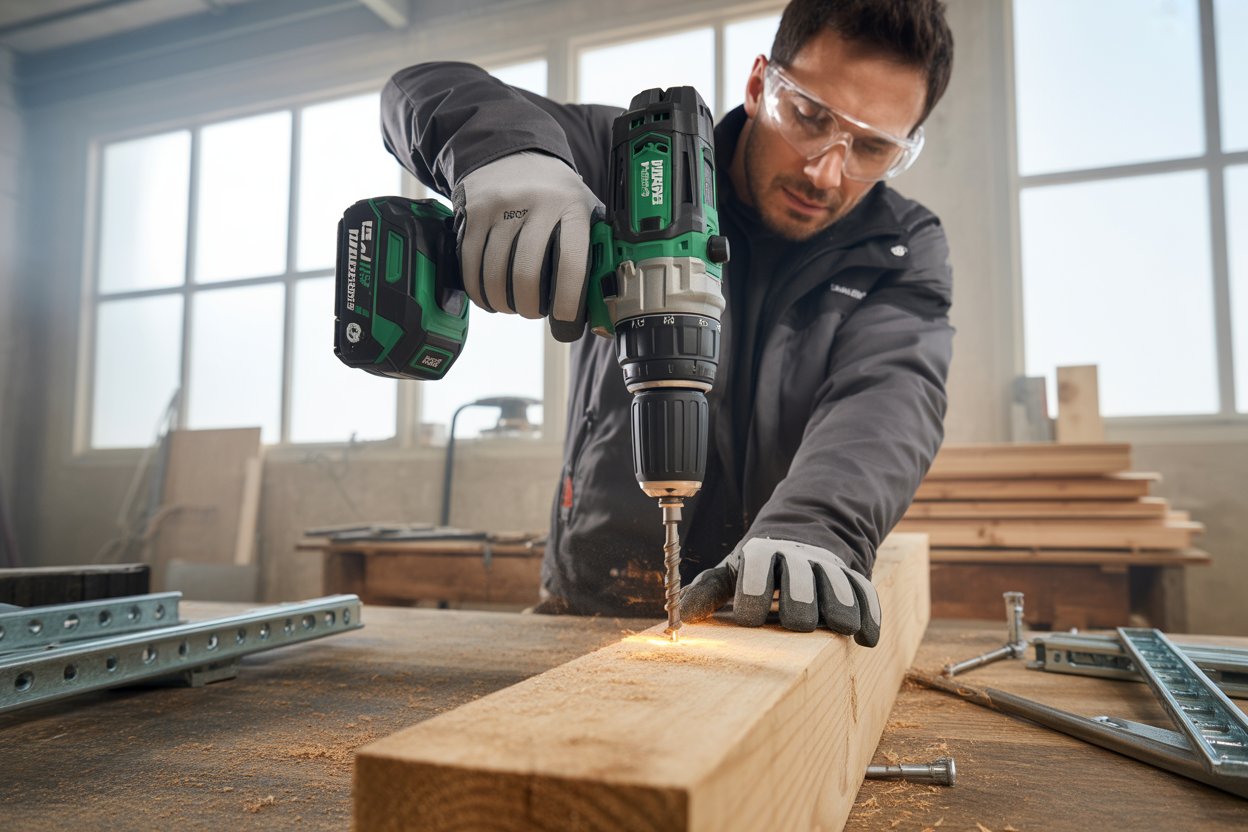
I’ve tested tools where balance made all the difference. You can feel it — less vibration, smoother response, better grip. The latest 20V/4Ah combinations, for instance, hit that sweet balance for many pros who move constantly between sites.
The Role of Smart Battery Design
Today’s systems feature cell-balancing circuits2 and temperature monitoring3. These prevent over-discharge, reduce heat, and extend overall battery life. Brands like YOUWE integrate smart BMS systems that automatically adjust power flow, giving tools consistent performance even under fluctuating loads. It’s small engineering — but with big results on the job site.
Emerging Battery Technologies Shaping the Future of Cordless Tools
So what’s next? We’re just scratching the surface of battery evolution.
Future cordless tools will use solid-state batteries and silicon-anode cells, offering higher density, faster charging, and safer performance. These technologies will cut charge time by nearly half and boost overall cycle life.
In recent trade fairs — from Germany to Japan — I’ve seen prototypes that could double runtime with the same weight. Imagine charging your drill in 15 minutes and using it all day. That’s where we’re heading.
| Technology | Advantage | Current Development Stage |
|---|---|---|
| Solid-State | High energy density, safety | Prototype stage |
| Silicon-Anode | Faster charging | Early production |
| Graphene Mix | Lightweight, high conductivity | Experimental |
The Future Isn’t Far
As a manufacturer, I can say with confidence: the next generation of battery systems won’t just power tools — they’ll connect, learn, and optimize. Expect smarter diagnostics, eco-friendly chemistry4, and modular battery designs5 compatible across multiple tool types.
It’s exciting — and we’re already building toward it.
Conclusion
The shift toward higher voltage and high-capacity batteries1 isn’t just about power — it’s about freedom. Longer work time, cleaner energy, and smarter tools. That’s the direction we’re heading — and I’m proud to be part of that change at YOUWE Power Tools Manufacturer.
-
Learn about the advantages of high-capacity batteries for longer runtimes and stability. ↩ ↩
-
Understand the role of cell-balancing circuits in enhancing battery life and safety. ↩
-
Discover how temperature monitoring can prevent battery issues and improve efficiency. ↩
-
Learn about the importance of eco-friendly chemistry in the future of battery systems. ↩
-
Explore the advantages of modular battery designs for versatility in tool usage. ↩