Opening paragraph...(max 50 words)
Selling power tools isn’t what it used to be. Gone are the days when customers relied only on hardware stores. Today, e-commerce1 and direct-to-consumer2 (DTC) sales have completely reshaped how cordless tools3 reach buyers—making visibility, trust, and logistics4 more important than ever.
Snippet paragraph...
E-commerce and DTC sales in cordless tools3 refer to the online selling of power tools directly to end users or distributors without traditional retail intermediaries. This approach improves margins, customer relationships, and global access5ibility while reducing reliance on wholesalers or physical stores.
transition paragraph...(max80 words.)
When I first started talking to buyers about going online, many told me, “My customers prefer to touch the tool before buying.” That’s true—but times have changed. With the right mix of digital strategy, logistics4, and storytelling, even heavy-duty tools can win trust online. Let’s dive into how this shift is redefining our industry.
The Rise of Online Tool Sales: How E-Commerce Is Changing the Market
Online sales have made the cordless tool market more open, faster, and more competitive than ever before.
Snippet paragraph...
E-commerce is changing the cordless tool market by giving global buyers direct access to manufacturers, increasing price transparency6, and speeding up purchasing decisions. Platforms like Alibaba, Made-in-China, and Amazon Business enable small brands to compete with global giants.
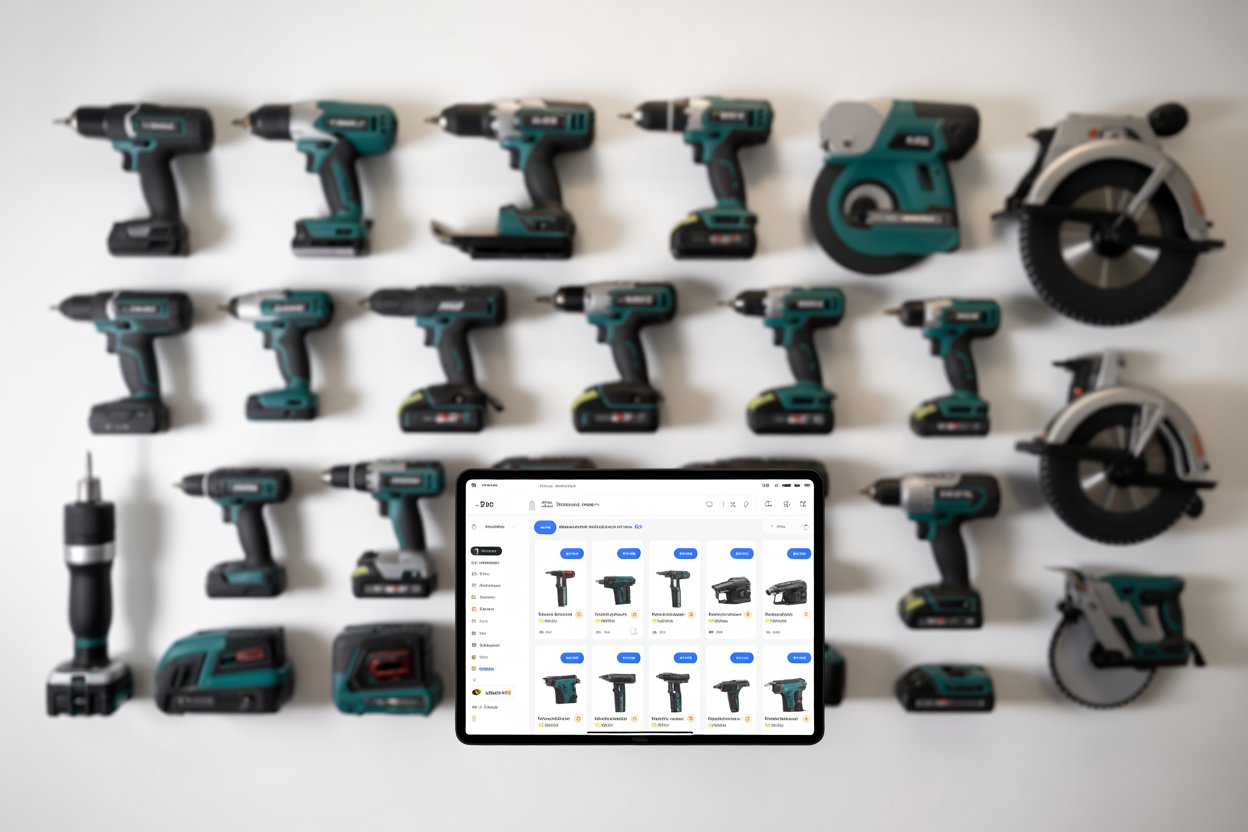
The rise of e-commerce1 changed the way I communicate with buyers like Deivis in Italy. Before, trade shows were the only way we met. Now, he finds suppliers on Google, checks product reviews, and compares prices in minutes.
E-commerce gives small and mid-sized manufacturers a stage to stand beside big brands—if we know how to use it.
Let’s break it down:
| Change | Impact |
|---|---|
| Global access | Buyers reach suppliers in multiple countries instantly |
| Price transparency | Reduces inflated distributor margins |
| Data-driven insights | Understand which models or voltages sell best |
| Faster communication | WhatsApp, WeChat, and instant inquiry responses build trust |
In short, online sales are no longer “extra.” They’re the new foundation. If your tools aren’t online, you’re invisible.
Direct-to-Consumer Strategies: Building Stronger Brand Relationships
Selling directly to the customer isn’t just about skipping the middleman—it’s about connection.
Snippet paragraph...
Direct-to-consumer (DTC) strategies help power tool manufacturers control pricing, collect customer feedback7, and build brand loyalty8 by selling directly through their own websites or official online stores. This reduces dependency on third-party distributors.
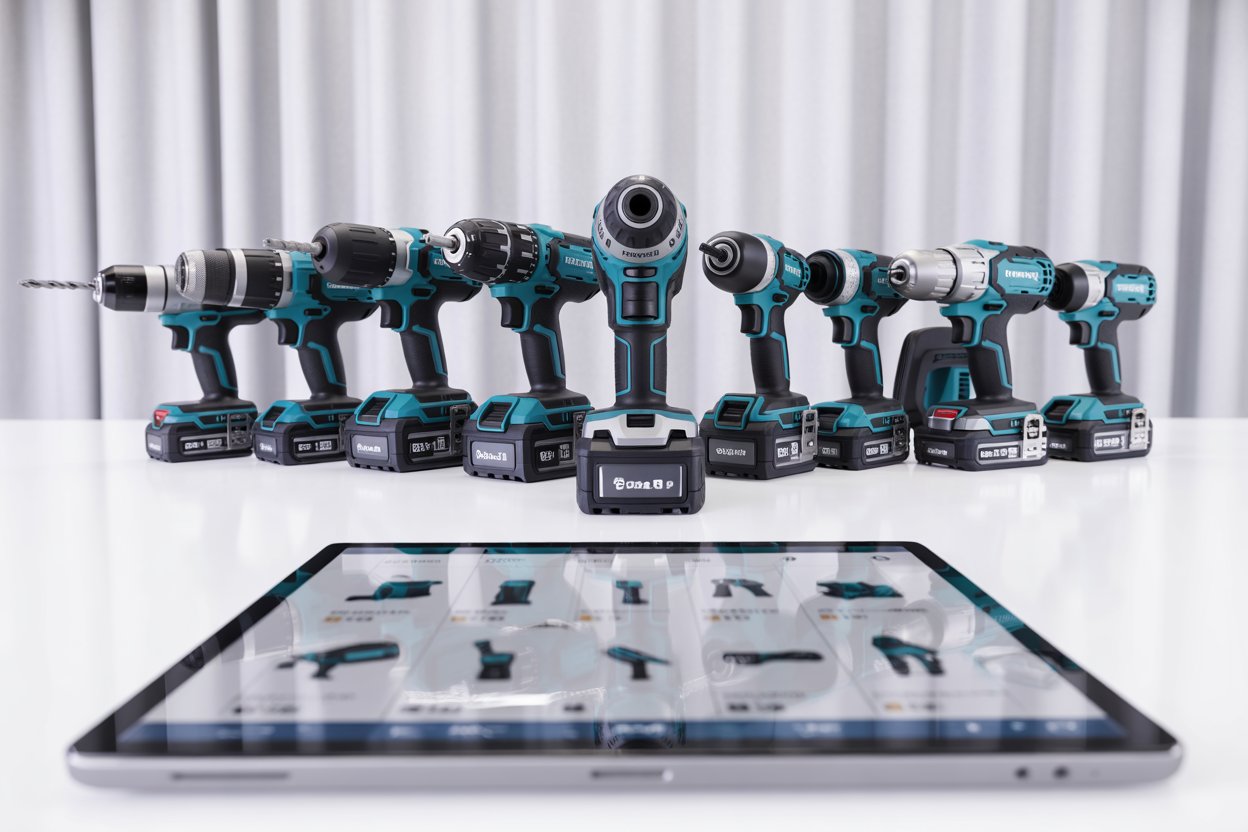
When YOUWE began experimenting with DTC sales, I was skeptical. Could a factory in China really connect emotionally with end users overseas? Surprisingly, yes. Customers started messaging us on our website—not just for prices, but to share how they used our tools on their farms or in small workshops.
That’s when I realized: people don’t buy drills—they buy reliability.
DTC strategies work best when you:
- Build a multilingual, fast-loading website.
- Offer transparent warranty and after-sales support.
- Collect customer reviews and use them as social proof.
- Provide easy online payment and shipping options.
With DTC, you control the narrative, the margins, and the relationship.
Digital Marketing and Social Commerce in the Power Tool Industry
Let’s be honest—marketing used to mean catalogs and flyers. Now, it means algorithms and engagement.
Snippet paragraph...
Digital marketing in the power tool industry focuses on SEO, social media videos, influencer collaborations, and data-driven advertising to boost online visibility and buyer trust. Platforms like LinkedIn and YouTube are key for B2B lead generation.
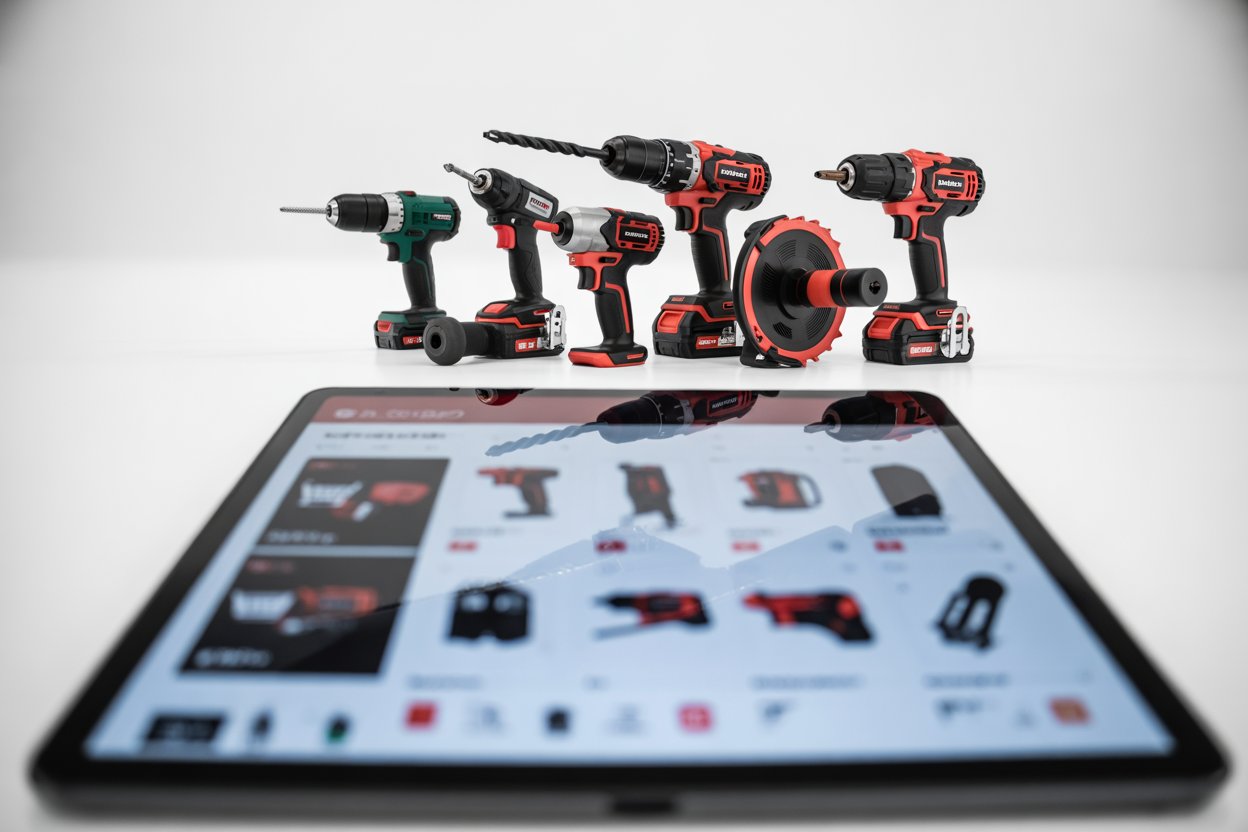
I’ll never forget the first time I saw one of our cordless drills go viral on TikTok—it wasn’t a big ad campaign. Just a farmer showing how fast it drilled through steel. That one video brought us more inquiries than three trade fairs combined.
Digital marketing today is storytelling through screens.
It’s showing real hands using real tools, not just specs and voltage charts.
| Here’s a quick breakdown of what works: | Channel | Strategy | Goal |
|---|---|---|---|
| Case studies and buyer engagement | B2B credibility | ||
| TikTok / Instagram | User demos and short videos | Awareness | |
| Google SEO | Product pages, blog articles | Long-term lead flow | |
| YouTube | Tutorials, comparisons | Education and trust |
Social commerce—the mix of social media and shopping—is the next frontier. People don’t just browse; they buy directly from videos.
Challenges and Opportunities in Global Online Distribution
Of course, not everything about selling tools online is easy.
Snippet paragraph...
Global online distribution faces challenges like shipping delays, certification verification, and cross-border payment issues. However, it also brings opportunities for wider reach, brand exposure, and long-term partnerships with reliable overseas distributors.
One Italian buyer once told me, “Luna, I like your tools, but I can’t wait three months.” That sentence taught me something crucial: speed and reliability beat price every time.
Online distribution forces us to solve logistics4 creatively—using regional warehouses, digital tracking, and verified certificates.
| Let’s summarize the reality: | Challenge | Opportunity |
|---|---|---|
| Delayed shipments | Build regional storage hubs | |
| Fake certificates | Use verifiable online documentation | |
| Payment risks | Adopt secure trade assurance platforms | |
| Market competition | Differentiate with service and storytelling |
We’re all navigating this digital maze together. The winners won’t be the cheapest—they’ll be the most consistent.
Conclusion
Selling cordless tools3 online isn’t about technology—it’s about trust. Whether through DTC channels or global e-commerce1 platforms, our mission at YOUWE remains the same: to connect quality tools with real people, everywhere in the world.
-
Discover the impact of e-commerce on the power tool industry and how it benefits both manufacturers and consumers. ↩ ↩ ↩
-
Learn how DTC strategies can enhance brand loyalty and customer relationships in the power tool sector. ↩
-
Explore how cordless tools are revolutionizing the power tool market and enhancing user experience. ↩ ↩ ↩
-
Understand the logistics hurdles in online tool sales and how to overcome them for success. ↩ ↩ ↩
-
Learn how global access can expand market reach and opportunities for power tool manufacturers. ↩
-
Understand how price transparency can benefit consumers and manufacturers in the competitive tool market. ↩
-
Discover strategies for gathering valuable customer insights to improve products and services. ↩
-
Explore effective strategies for fostering brand loyalty among power tool consumers. ↩