Modular Battery Platforms & Cross-Compatibility Between Tool Families
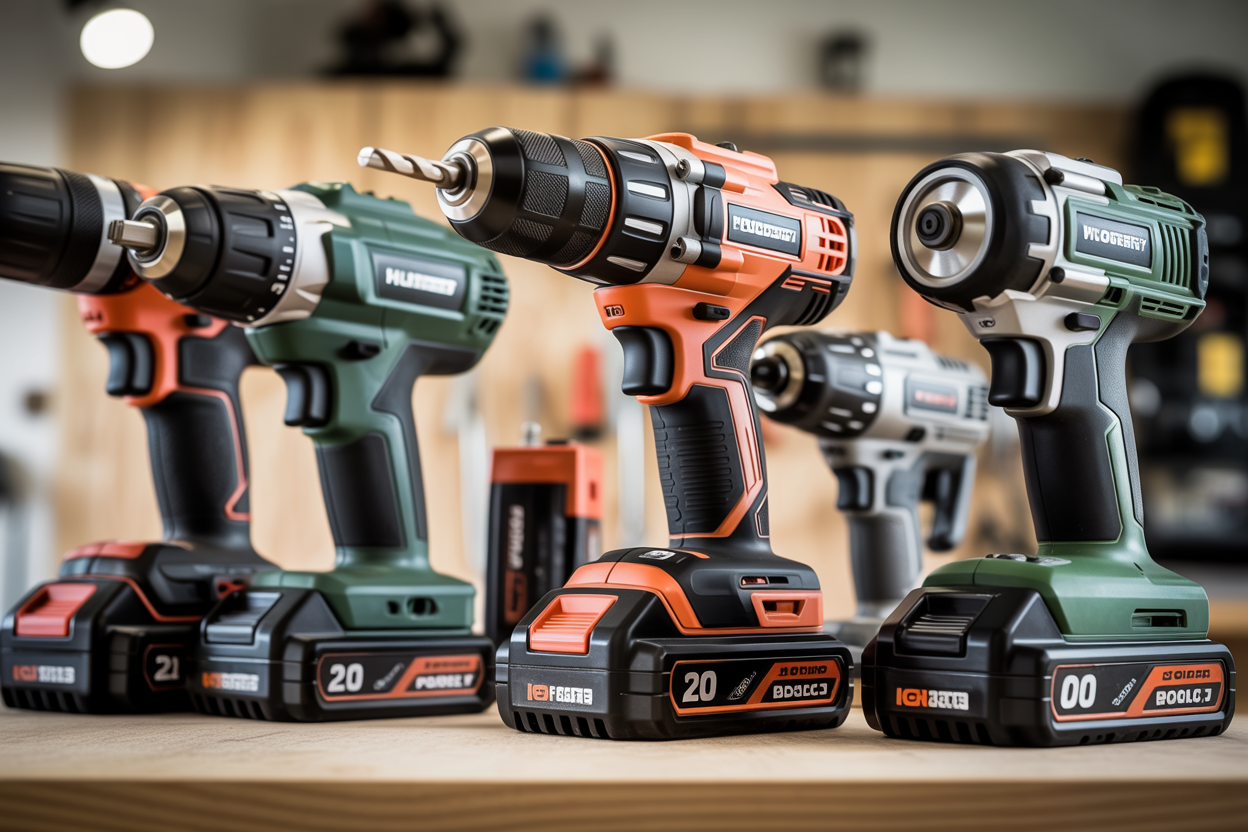
If you’ve ever looked at a pile of cordless tools and thought, “Why can’t one battery fit them all?” — trust me, you’re not alone. As someone who works with power tools every day, I’ve seen how modular battery platforms1 are quietly reshaping how professionals and DIY users work.
Modular battery platforms allow different cordless tools to share the same battery system. This reduces waste, simplifies logistics, and saves users time and money by eliminating the need for multiple incompatible batteries.
Today, we’re going to unpack what modular battery platforms1 really mean, how they’re influencing the industry, and why they’re becoming a key talking point for anyone serious about efficiency and cost control.
What Are Modular Battery Platforms and Why They Matter
In simple terms, modular battery platforms1 are shared power systems that work across multiple tools from the same brand—or even across brands.
A modular battery platform is a standardized power base designed to fit and operate multiple tools. It matters because it improves efficiency, reduces e-waste, and simplifies both production and end-user experience.
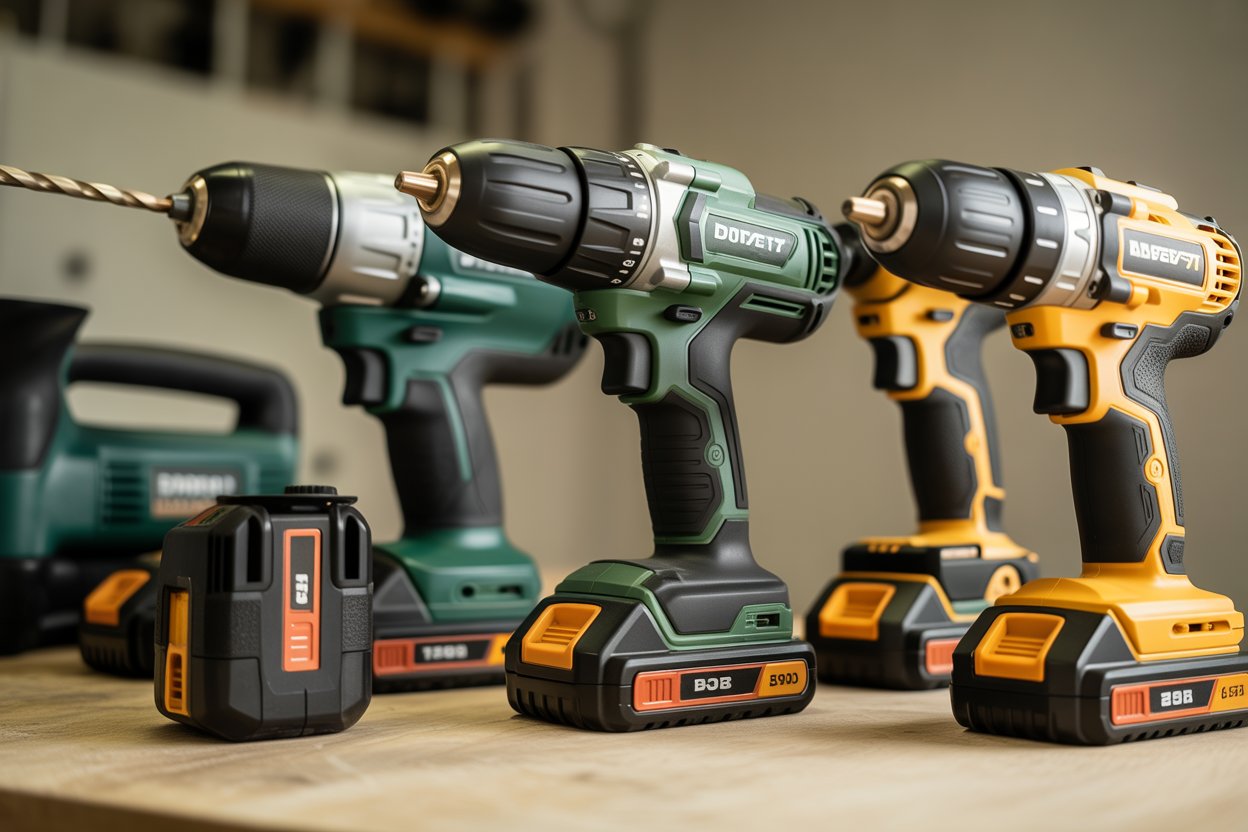
I still remember when every new drill came with its own unique battery and charger. It was a headache—both for users and suppliers like me. Modular platforms changed that story.
Example of a Modular Battery System
| Component | Function |
|---|---|
| Battery Pack | Provides standardized power source |
| Adapter/Interface | Connects battery to different tools |
| Smart Control Chip | Ensures safety and performance compatibility |
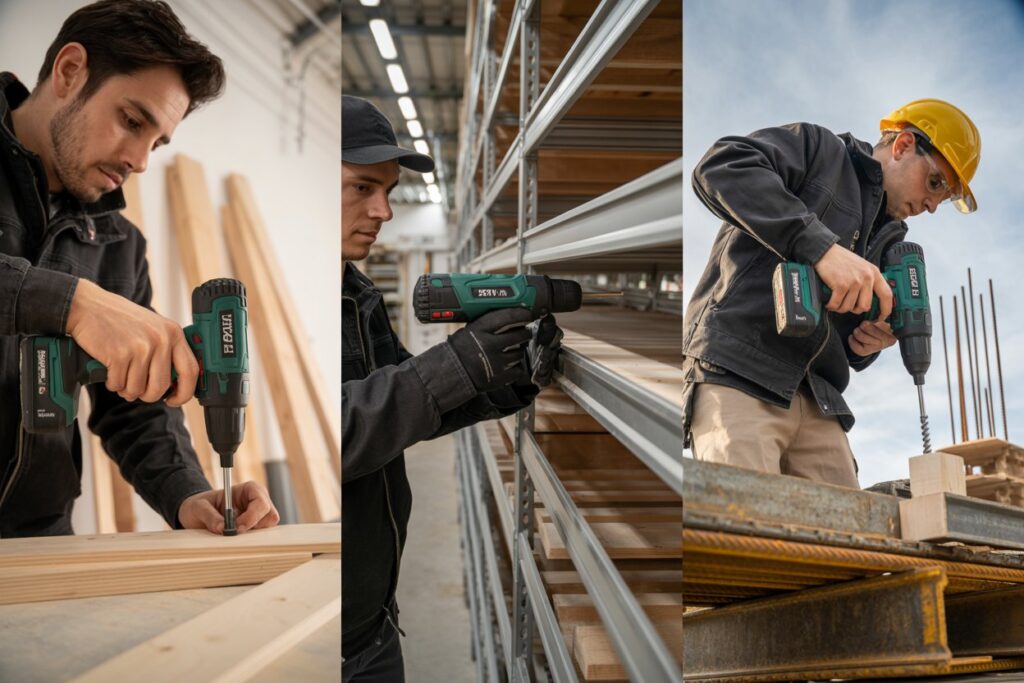
Now, one 20V battery can power your drill, grinder, and reciprocating saw. That’s not just convenient—it’s smarter design. It also means fewer batteries to produce, ship, and eventually dispose of.
This shift is especially important for B2B buyers like Deivis—less inventory clutter, easier logistics, and better pricing leverage when purchasing tool systems in bulk.
Cross-Brand Compatibility: A Step Toward Industry Standardization
You’ve probably noticed that some brands are starting to talk about “cross-brand compatibility2.” That’s not marketing fluff—it’s a real step toward a more sustainable and efficient industry.
Cross-brand compatibility allows batteries from one manufacturer to be used with another brand’s tools through shared voltage systems or adapter technologies. It supports collaboration, reduces redundancy, and pushes the market toward a universal standard.
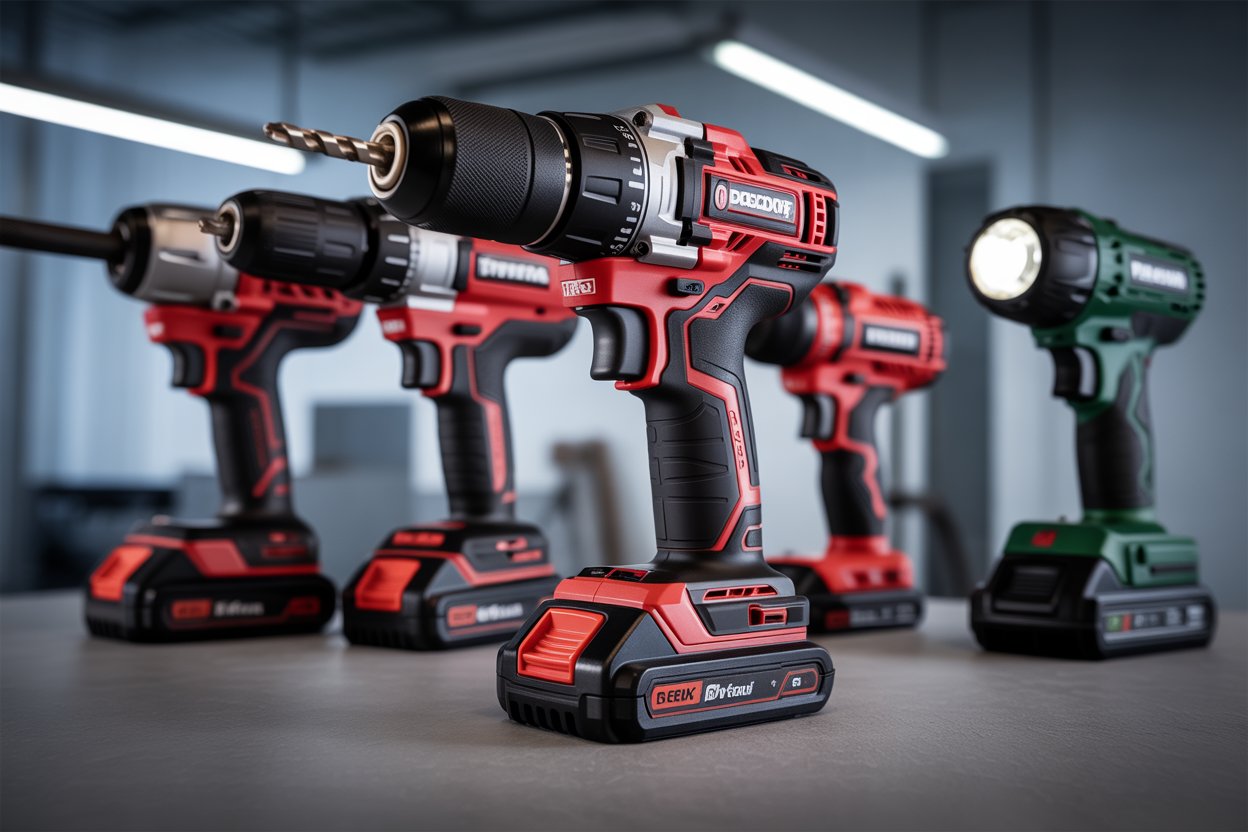
Imagine walking into your workshop and plugging the same battery into a tool from YOUWE, Bosch, or Makita—it’s like USB-C for power tools. We’re not there yet, but it’s coming.
Why It Matters
- Simplified supply chains – fewer battery types to stock.
- Reduced e-waste – fewer discarded packs over time.
- User freedom – less brand lock-in, more flexibility.
When I talk with factory engineers, they admit the main challenge isn’t the battery cells—it’s the communication protocol between tool and battery. But I believe cooperation is inevitable. After all, when everyone speaks the same “power language,” everyone wins.
User Benefits: Cost Savings and Convenience in Daily Operations
Here’s the part every buyer cares about—money and time.
Using a modular battery system helps users save on costs by sharing one battery and charger across multiple tools. It also improves convenience in daily operations by reducing downtime, simplifying charging management, and cutting replacement costs.
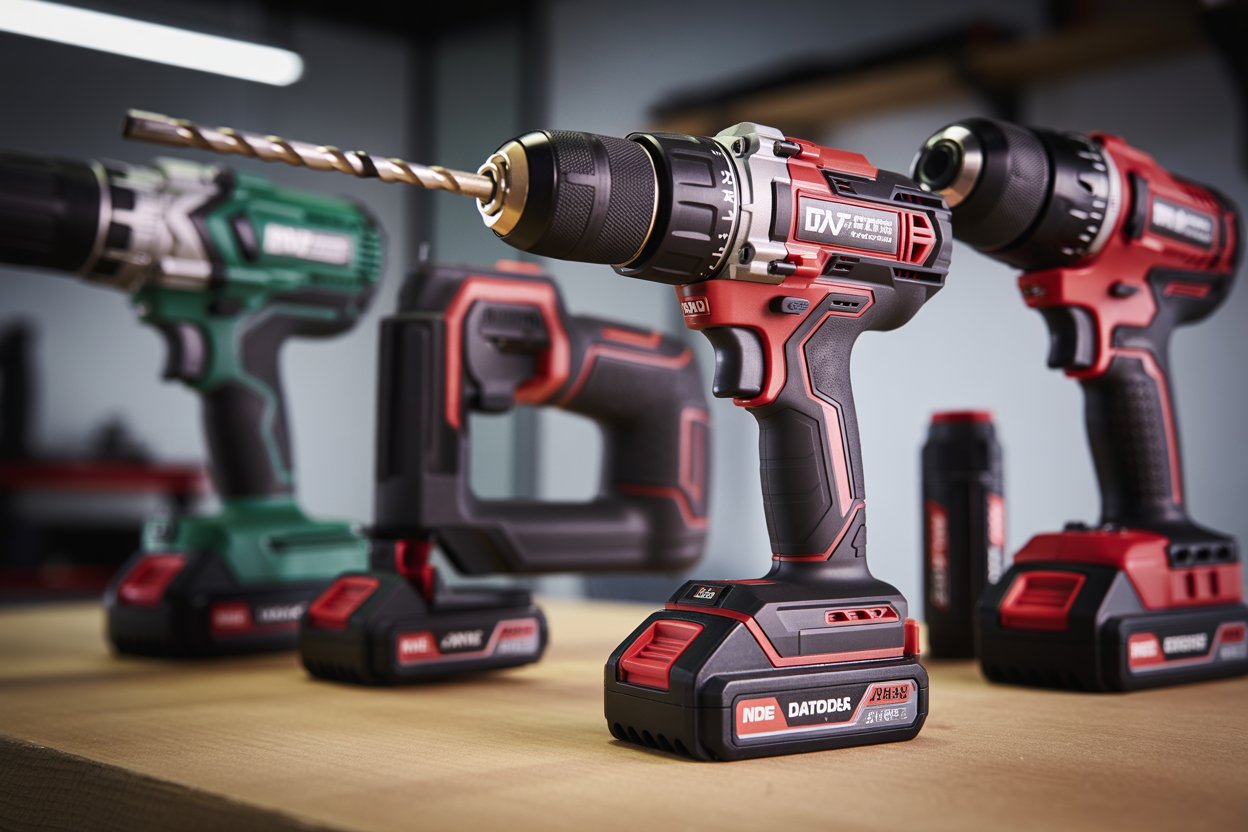
When I visit clients in Italy, they often tell me, “Luna, the tools are great, but the batteries cost me a fortune.” That’s exactly why modularity matters—it lets one pack do the job of many.
Real-World Impact
| Benefit | Description |
|---|---|
| Lower Costs | One battery system powers multiple tools |
| Faster Workflow | Less time swapping or charging batteries |
| Simplified Logistics | Easier inventory management3 and shipping |
And from a supplier’s perspective, this also reduces production complexity. Fewer SKUs, faster lead times, and lower error rates during packing—it’s a quiet revolution happening behind the scenes.
If you’ve ever experienced the frustration of delayed shipments or mismatched batteries, you’ll know how valuable a single unified platform can be.
Outlook: Universal Power Systems and Smart Battery Integration
So, where’s this all heading? I believe the next phase is universal and intelligent power systems.
The future of modular battery platforms lies in universal voltage systems and smart batteries that communicate usage data, optimize energy delivery, and integrate with IoT for predictive maintenance.
We’re talking about batteries that can “talk” to your tools—monitoring performance, preventing overheating, even tracking charging history. Some prototypes already exist, and they’re impressive.
What’s Coming Next
- Universal adapters connecting multiple brands seamlessly.
- Cloud-based tracking for battery health and efficiency.
- Sustainable battery materials for longer lifespans and easier recycling.
Imagine a battery that tells you, “Hey, I’ve been through 500 cycles, maybe it’s time for a replacement.” Sounds futuristic? Maybe. But so did cordless tools twenty years ago.
As we move toward this future, brands that embrace openness and sustainability will stand out. YOUWE is already exploring partnerships and R&D in this direction—because real innovation is not just about power; it’s about responsibility too.
Conclusion
Modular battery systems aren’t just a tech trend—they’re a smarter, cleaner way forward. For toolmakers, users, and the planet, they mean less waste, lower costs, and more freedom. One battery. Many tools. Infinite possibilities.
Brand: YOUWE
Slogan: Power Tools Manufacturer
Website: www.professionalwrench.com
-
Explore this link to understand how modular battery platforms can revolutionize your tool usage and efficiency. ↩ ↩ ↩
-
Learn about cross-brand compatibility and how it can enhance your tool experience and reduce waste. ↩
-
Find out how modular battery systems can streamline your inventory management and reduce clutter. ↩