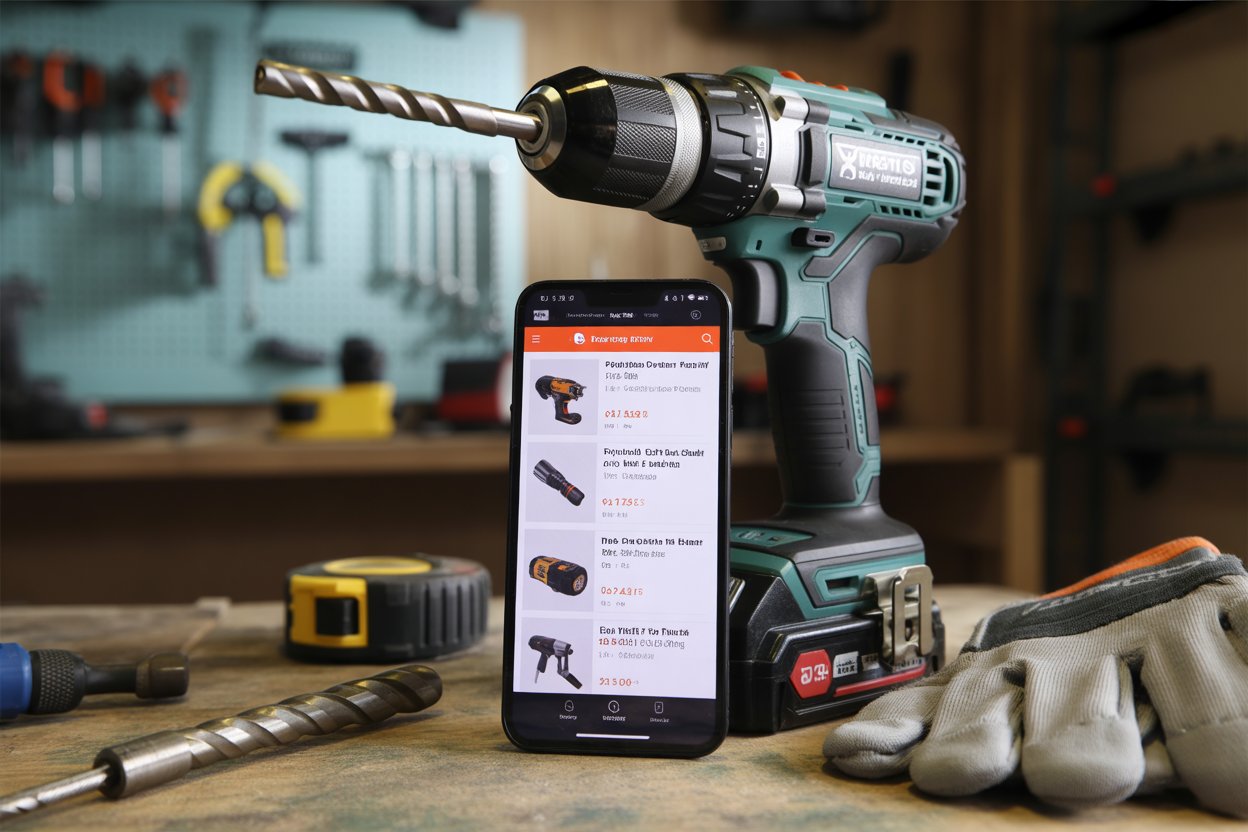
Growth of E-Commerce & Direct-to-Consumer Sales in Power Tools
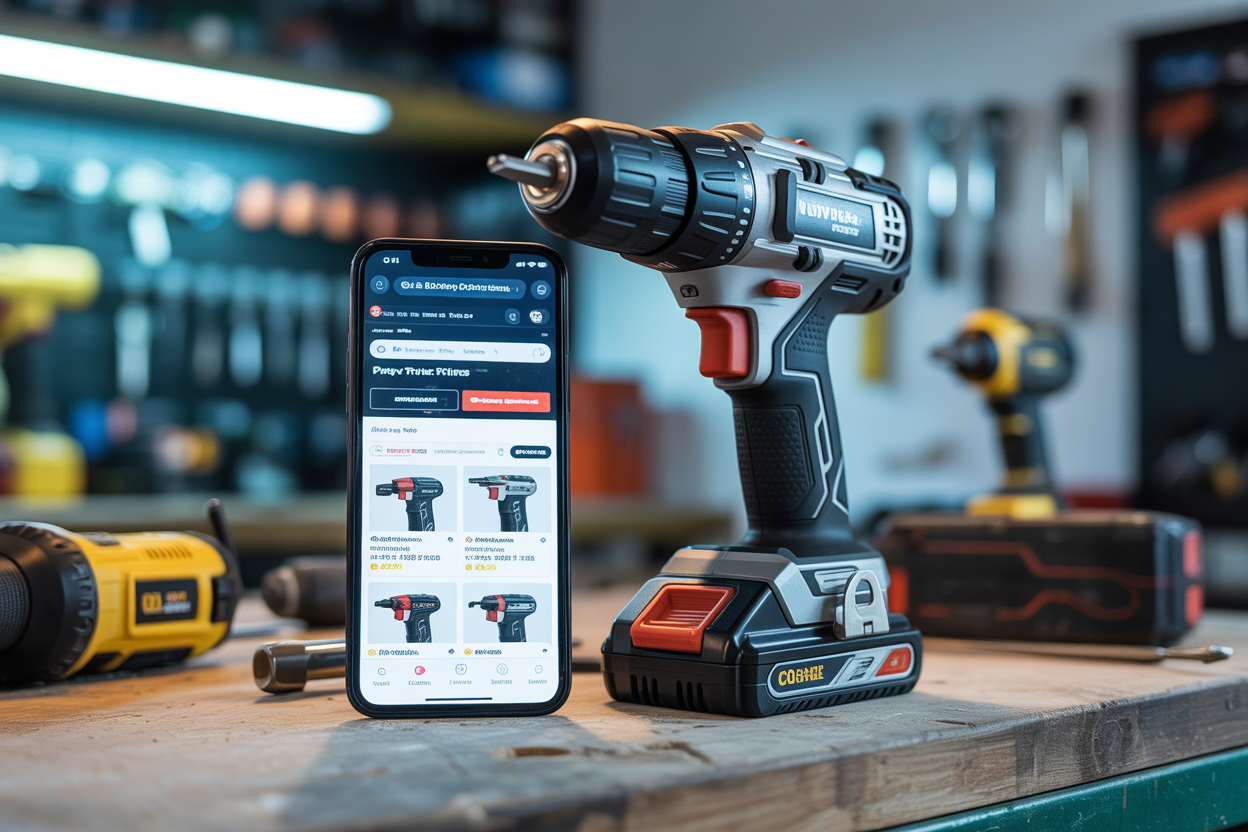
E-commerce1 has changed everything—even how we buy tools. Once ruled by big retail shelves, the power tool industry is now thriving online, reaching users directly and cutting off layers of middlemen.
Snippet paragraph...
E-commerce1 and direct-to-consumer (DTC) sales2 are transforming the power tool market3 by connecting manufacturers and users more efficiently. This shift enables better pricing, faster innovation, and stronger brand-customer relationships through digital platforms4.
As someone who’s been in this industry for years, I’ve seen this shift happen fast. Customers no longer wait for catalogs or fairs—they search, compare, and order in minutes. And for manufacturers like us at YOUWE, this change isn’t just exciting—it’s redefining how we build trust and value worldwide.
The Digital Shift: How E-Commerce Is Reshaping the Power Tool Market
The internet didn’t just open new sales channels—it redefined the entire journey from discovery to purchase. Let’s see how that plays out in our world of cordless drills and grinders.
Snippet paragraph...
E-commerce1 reshapes the power tool market3 by enabling global reach, real-time feedback, and data-driven inventory management5. Brands can analyze buyer behavior, personalize offers, and respond faster to demand fluctuations.
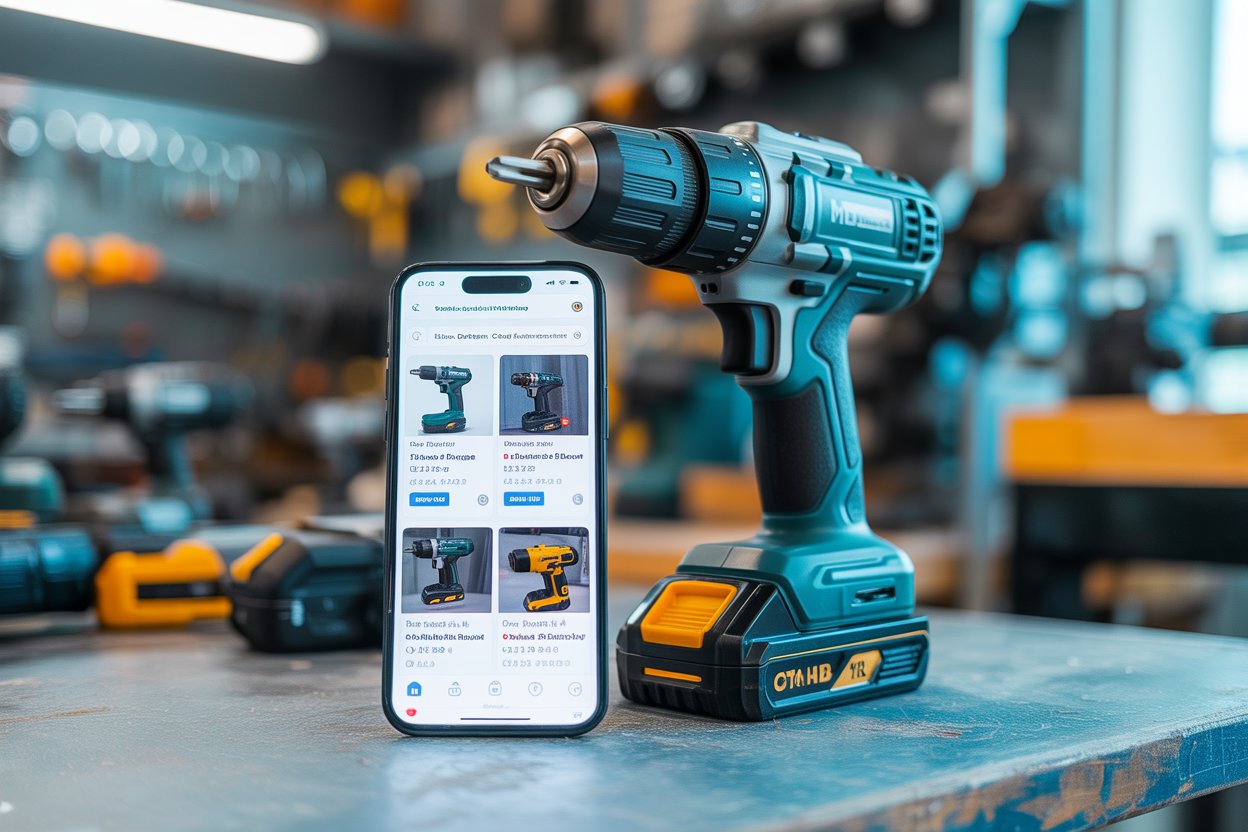
I still remember when most buyers relied on trade fairs or local distributors to find suppliers. Today, even small workshops in Italy or Turkey can discover Chinese manufacturers through a few clicks on Made-in-China or Alibaba.
Digitalization gives us transparency—reviews, ratings, and even production videos.
For instance, when YOUWE launched our cordless angle grinder line, we saw immediate traction online before even printing a brochure. The data told us which countries cared more about torque versus battery life. That’s the beauty of e-commerce—it’s not just selling; it’s learning.
Direct-to-Consumer (DTC) Strategies: Building Stronger Brand Relationships
In the old days, the brand rarely met the user. Today, that gap is closing fast.
Snippet paragraph...
DTC strategies in power tools cut out middlemen, giving brands full control over pricing, communication, and customer experience6. This direct connection fosters loyalty and provides valuable usage insights.
What’s fascinating is how DTC changes our tone—from corporate to conversational.
When a customer messages us about how their YOUWE drill handled a week of heavy work, that’s not just feedback; it’s a relationship forming.
We use platforms like WhatsApp, brand stores7, and even YouTube tutorials to interact directly with users. DTC allows us to explain product features, share repair guides, and offer after-sales care without waiting for a distributor’s response.
It’s more work, yes. But it also brings honesty and loyalty money can’t buy.
Online Marketplaces vs. Brand Stores: Where Do Customers Prefer to Buy?
E-commerce1 gives customers choice—but not all choices feel the same.
Snippet paragraph...
Customers prefer marketplaces8 like Amazon or Alibaba for convenience and variety, while brand stores7 offer authenticity, warranty assurance, and better post-sale service. Both channels complement each other depending on the buyer’s priorities.
| Channel Type | Key Advantages | Typical Buyers |
|---|---|---|
| Marketplaces | Wide selection, fast delivery, easy comparison | Price-sensitive or first-time buyers |
| Brand Stores | Direct service, exclusive offers, verified quality | Loyal or professional users |
From my experience, many of our first-time customers come from marketplaces8—they find us while browsing. But our repeat buyers? They move to our official store because they want trust, consistency, and support.
It’s like meeting someone at a party versus at home. Marketplaces are great for discovery, but brand stores7 are where relationships grow deeper.
Challenges and Opportunities in Global Online Tool Sales
Online growth sounds smooth—but the truth? It comes with bumps.
Snippet paragraph...
Key challenges in global online power tool sales include certification differences, logistics delays, and payment trust issues. However, opportunities lie in digital branding, localized marketing9, and cross-border warehousing10.
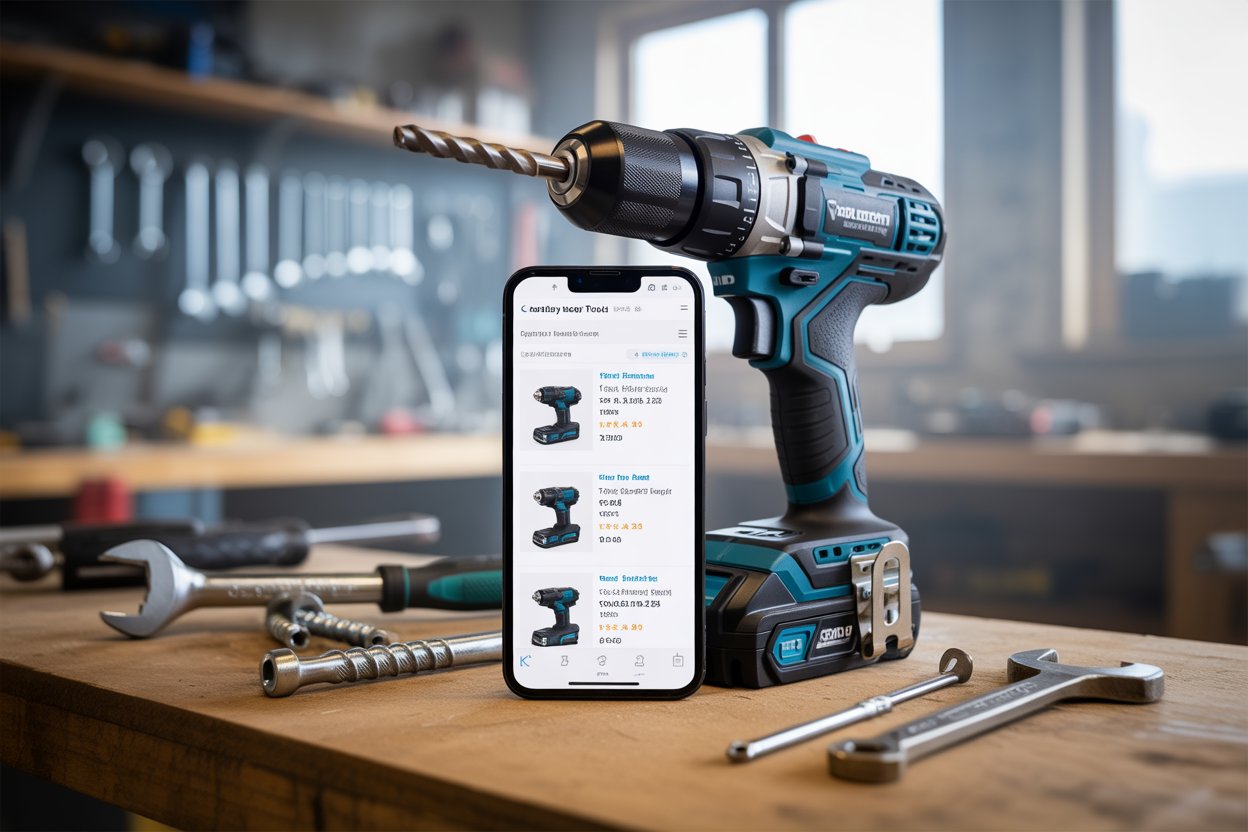
Shipping power tools across continents isn’t like shipping T-shirts. Batteries require certifications; customs need detailed HS codes. A delay of two weeks can ruin a sales season—especially in Europe’s summer peak.
We’ve learned that communication is everything. Customers like Deivis from Italy, for example, want updates, not excuses. That’s why at YOUWE, we use digital dashboards to track every order, from production to delivery.
At the same time, the opportunities are huge:
- Localized ads help us reach the right buyers faster.
- DTC data reveals what features to prioritize.
- Hybrid warehouses in Europe reduce delivery time by up to 70%.
Yes, there are challenges. But for brands that adapt quickly, the digital wave isn’t a storm—it’s the wind behind their sails.
Conclusion
E-commerce1 and DTC aren’t just trends—they’re the new normal.
For us at YOUWE, it’s about using digital tools to stay human—listening better, responding faster, and building trust that lasts longer than any campaign.
-
Explore how E-commerce is revolutionizing the power tool industry, enhancing customer experience and brand engagement. ↩ ↩ ↩ ↩ ↩
-
Learn how DTC sales strategies foster stronger relationships between brands and customers, enhancing loyalty. ↩
-
Discover the latest trends in the power tool market and how they affect consumer choices and brand strategies. ↩ ↩
-
Understand the significance of digital platforms in transforming retail experiences and customer interactions. ↩
-
Explore the advantages of data-driven inventory management for optimizing supply chains and meeting customer demand. ↩
-
Find out effective strategies for enhancing customer experience in E-commerce, crucial for brand success. ↩
-
Discover the unique advantages of brand stores compared to online marketplaces in building customer trust. ↩ ↩ ↩
-
Learn about the benefits of online marketplaces and how they cater to diverse consumer needs. ↩ ↩
-
Understand the importance of localized marketing strategies in reaching target audiences effectively. ↩
-
Explore how cross-border warehousing can streamline logistics and enhance delivery efficiency in E-commerce. ↩