Top Considerations When Choosing a Professional Cordless Pruning Shear
I see many buyers from Italy, Spain, and Germany struggle to choose the right cordless pruning shear1. I hear the same pain again and again. They buy a good-looking model, but it stops when they press fast. It feels smooth in the hand, but it fails when they test real work.
The best pruning shear must run smooth under fast, repeated triggers, deliver stable power, and keep sharp blades under heavy use. These points decide if the tool is truly professional.
I speak with many importers every season. Some ask for low MOQ. Some ask for fast lead time. Some ask for CE rules or battery rules2. I always tell them that a professional pruning shear is not about strong ads. It is about stable control boards3, real blade steel, smart gear design, and long-term parts support.
Brand & Model Differences: What Really Sets Them Apart?
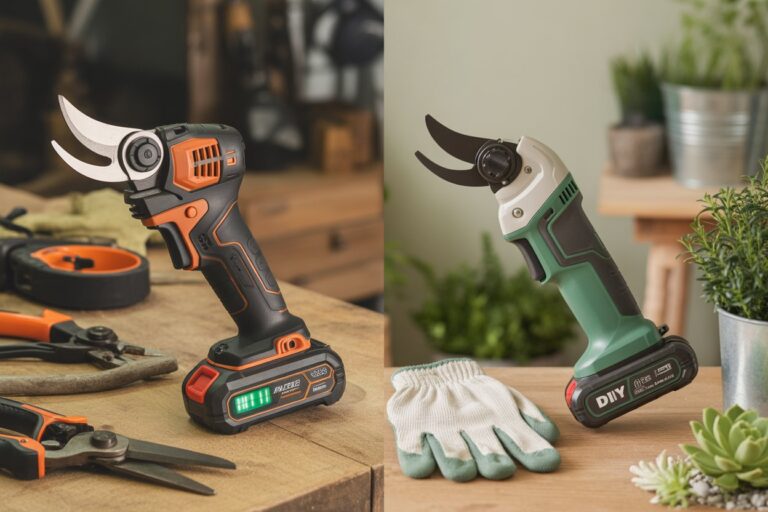
Buyers often ask why many shears look similar but work very different. I test many models each year. I see how brands choose motors, boards, and gears. These choices decide if a shear works like a real tool or a toy.
Brands differ in their control board logic, motor grade, trigger response, and power output under fast cuts. These factors define true professional performance.
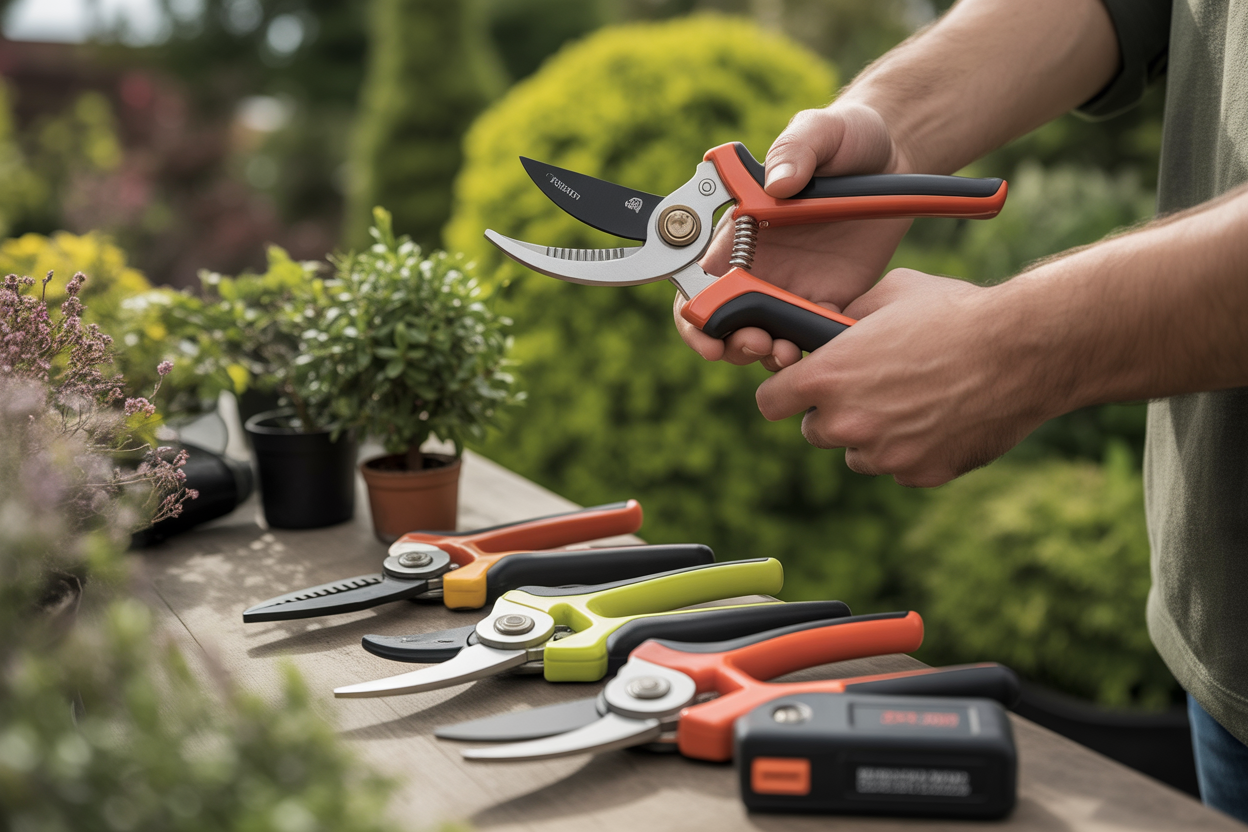
I test tools with growers and vineyard teams. They press the trigger fast. They change angles. They cut hard wood. A DIY model stops or freezes when it faces this test. A professional model stays smooth. This is the real point that sets brands apart. Some brands use stronger MOS tubes. Some use better sensors. Some use steady gear sets. These choices give smooth action under stress.
Motor and Control Board Logic
A DIY model may show the same voltage on paper. It may show the same cutting size4. But it often uses a simple board. The board cannot handle fast signals. The motor stalls. The shear stops. A professional board reacts fast and clean. It keeps the motor current stable and avoids dead stops.
Trigger Response Under Fast Press
I see the biggest gap here. A vineyard worker can press the trigger ten times in three seconds. A DIY shear cannot keep up. It resets. It locks. A professional shear keeps the same rhythm. This is the point where YOUWE puts most work. We tune the board, motor, and gear set for fast action.
Build Quality and Market Suitability
Different countries look for different features. Italian buyers check motor heat. Spanish buyers check trigger softness. German buyers check gear noise. A brand with strong OEM/ODM experience5 can match these needs. Some brands can only offer standard parts.
| Brand Factor | DIY Models | Professional Models |
|---|---|---|
| Trigger Response | Slow, may freeze | Fast, no lag |
| Motor Load Ability | Low | High |
| Gear Strength | Light | Strong |
| Control Board | Basic | Smart, stable |
| Real Work Endurance | Short | Long |
Blade Quality: Durability, Sharpness, and Real-World Failure Cases?
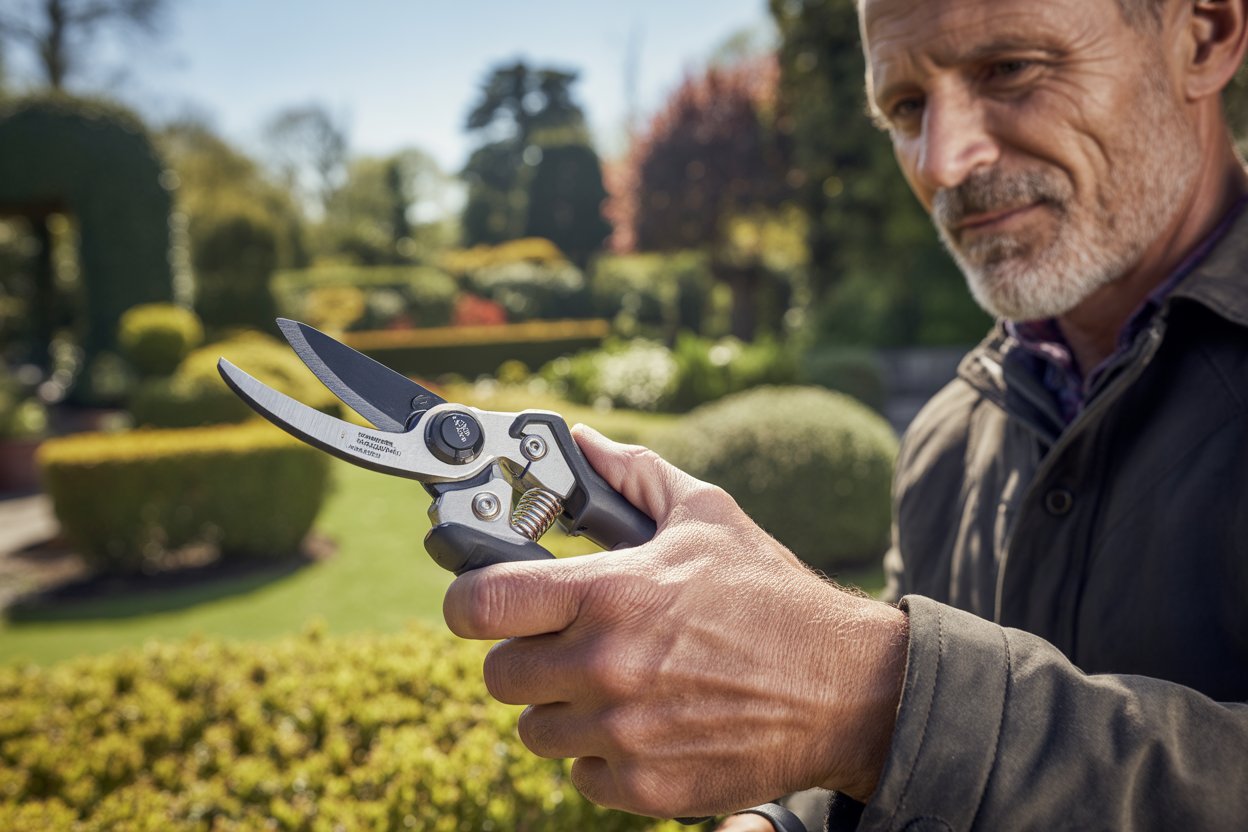
I see many customers complain about blades from unknown suppliers. They break fast. They get dull in a few days. The blade decides half of the tool life, not the battery.
High-quality blades use strong steel, stable heat-treating, and clean grinding. Poor blades dull fast, bend under pressure, or crack during heavy cuts.
In many vineyards, workers hit old branches or hidden wires. A weak blade cracks. A dull blade forces the motor to work harder. The shear overheats. The control board fails. I saw many DIY blades rust in one season. I also saw blades with bad grinding angle6s that made the cut slow and rough. I tell clients that a good blade is not “sharp.” It must stay sharp under stress.
Steel Type and Heat Treatment
Blades look simple, but steel grade makes a big gap. Some factories use soft steel. It gets dull after 300–500 cuts. Professional blades use high-carbon steel7. Some use SK5. Heat treatment must be stable. If the blade is too hard, it cracks. If it is too soft, it bends. I test each batch with repeated cuts.
Grinding Angle and Cut Smoothness
Grinding decides how smooth the blade enters wood. Bad grinding creates friction. The motor draws more current. The battery drains fast. A good grinding profile makes each cut feel light. European buyers notice this at once.
Common Failure Cases I See
I saw blades crack near the root. I saw teeth wear out fast. I saw blades with poor coating that rust after one wet morning. These failures break work plans for growers. They also hurt importer reputation, especially in Italy and Spain where pro users expect long service life.
| Blade Issue | Cause | Work Impact |
|---|---|---|
| Cracking | Over-hard heat treatment8 | Tool stops |
| Quick Dullness | Soft steel | Slow cutting |
| Rust | Poor coating | Rough action |
| Bending | Weak core | Unsafe use |
After-Sales Service and Repairability: How Reliable Are They?
Many importers ask me about after-sales before they ask about price. I understand this. A pruning shear is a working tool. If it fails in peak season, growers lose money.
Reliable after-sales depends on easy repair design, stable parts supply, and clear support. A professional shear must allow fast board or blade replacement without complex steps.
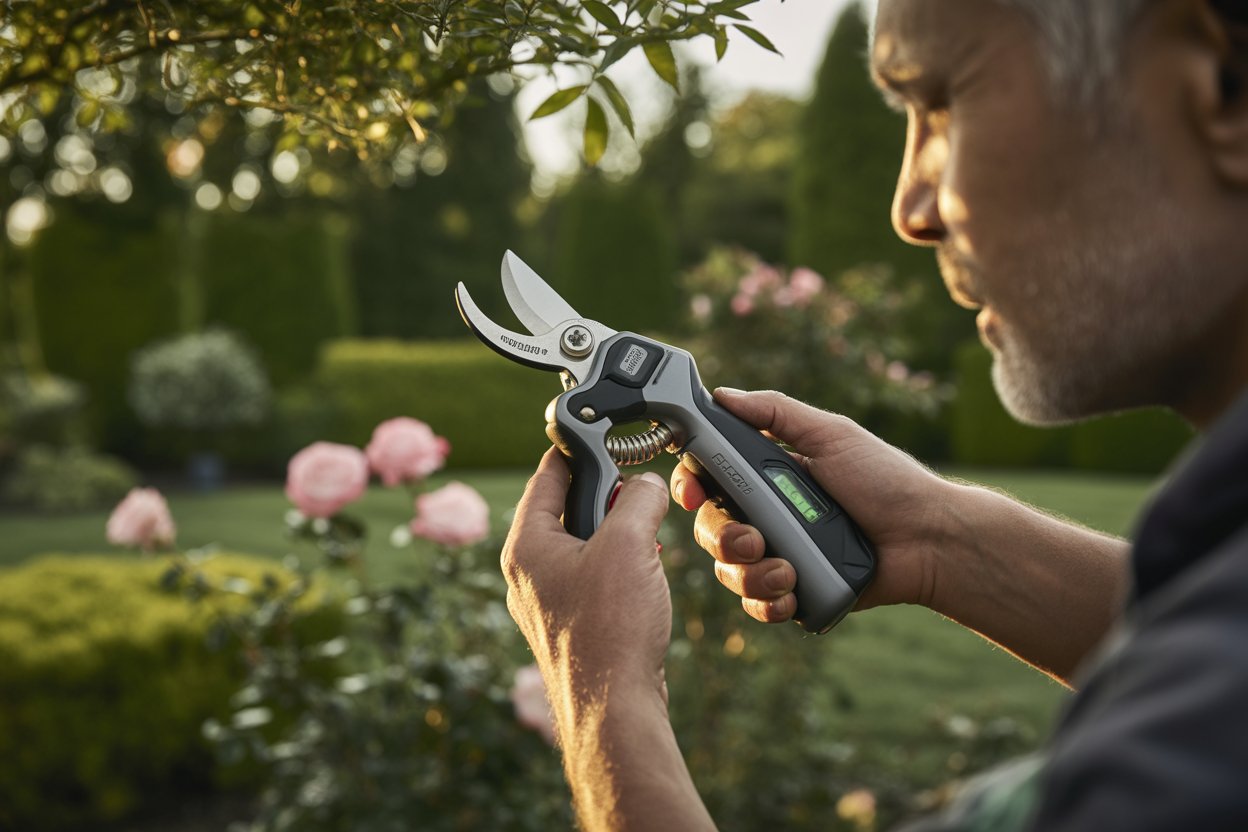
Some shears look nice but are hard to open. Screws strip easily. Wires pull out. I know how much trouble this brings to clients in Germany or France. They want fast repair. They want clear parts. They want stable supply for three to five years. We design tools with open space inside. A technician can change a board in minutes.
Easy-To-Repair Internal Layout
Inside layout must be simple. Cables must be short and firm. The board must be fixed strong. The motor must be easy to replace. This design saves time for service teams.
Board and Motor Stability in Peak Season
Peak season is the real test. Heat builds up. Motors work at max load. A DIY tool cannot handle this. It burns board parts. A professional shear uses strong MOS tubes and cooling paths.
Support for EU Markets
Importers need CE, EMC, and battery rules2 documents. They also need stable MOQ and lead time. I give them clear files. It helps customs. It reduces risk.
| Service Factor | Weak Models | Professional Models |
|---|---|---|
| Repair Time | Long | Short |
| Part Fit | Poor | Easy |
| EU Documents | None | Full |
| Tool Life | Short | Long |
| Support Stability | Low | High |
Spare Parts Availability: Replacement Blades, Gears, and Maintenance Costs?
Many buyers forget this point. Spare parts decide long-term cost. If parts are hard to find, the shear becomes a one-season tool.
A professional pruning shear must have stable spare blade, gear, board, and battery supply for many years. This keeps total cost low for importers and growers.

I work with many importers who want predictable cost. They want clear part pricing. They want packed spare sets with each shipment. They want to know that the same blade shape will still be available next year. This is why OEM/ODM support matters.
Spare Blade Supply
Blades are the main part that needs replacement. I prepare high stock for clients in Italy and Spain. This helps them support growers during peak season.
Gear and Motor Parts
Gears take heavy load. A cheap gear wears fast and makes noise. A good gear stays smooth. Importers need steady supply so they can repair tools fast.
Maintenance Cost and Long-Term Value
A cheap shear may look good at first, but if the blade costs more and fails fast, the long-term cost becomes high. A professional shear with stable parts gives better value.
| Part | Replacement Need | Supplier Risk | Real Cost Impact |
|---|---|---|---|
| Blade | High | Medium | Strong |
| Gear | Medium | High | Medium |
| Control Board | Low | High | Strong |
| Battery | Medium | Medium | Strong |
Conclusion
I learned that a professional pruning shear must stay stable under fast trigger use, keep sharp blades9, and offer clear spare parts support. These points help growers work smooth and help importers build long-term trust. I share these insights with every client because I want them to choose tools that bring strong value to their market. If you want deeper advice for your country, or if you want OEM or ODM support, you can contact me and I will guide you with clear steps.
-
Explore this link to find top-rated cordless pruning shears that meet professional standards. ↩
-
Understanding battery regulations can help you choose compliant and safe tools. ↩ ↩
-
Discover how advanced control boards improve the efficiency and reliability of pruning shears. ↩
-
Find out what cutting size is best suited for your gardening tasks. ↩
-
Learn how OEM/ODM experience can impact the quality and customization of gardening tools. ↩
-
Learn how the right grinding angle can enhance cutting efficiency and ease of use. ↩
-
Discover the benefits of high-carbon steel in ensuring blade durability and performance. ↩
-
Understanding heat treatment can help you appreciate the quality of pruning shear blades. ↩
-
Learn about the features that ensure blades remain sharp for longer, enhancing tool performance. ↩