🌱 Cordless Electric vs. Manual Pruning Shears: A Practical Guide to Choosing the Right Tool
Modern gardening offers more choices than ever, especially when it comes to pruning tools. Both cordless electric shears and manual pruning shears have strengths — the key is knowing which tool fits your work environment, plant type, and workload. The goal isn’t to pick one “best” tool, but to understand which tool helps you work safer, faster, and more comfortably. Below is a simple, scenario-based guide to help you make an informed decision.
1. Efficiency Comparison: When to Use Electric Shears vs. Manual Shears
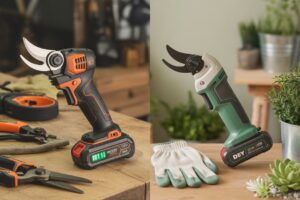
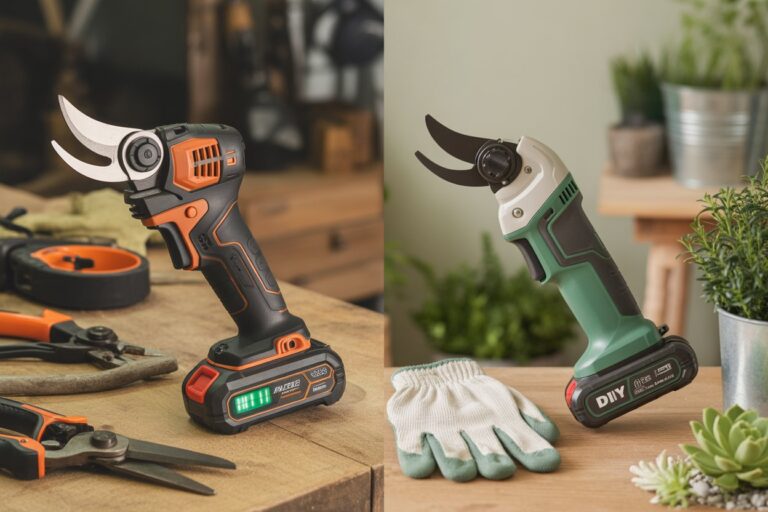
When efficiency matters, cordless electric shears1 can dramatically speed up pruning work. They offer fast cutting cycles, consistent power, and the ability to handle medium-hard branches with minimal effort. For landscapers, orchard workers, or gardeners managing medium to large workloads, electric shears reduce time and physical strain.
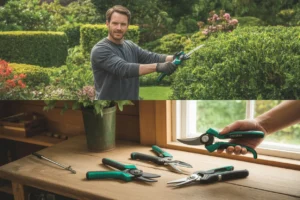
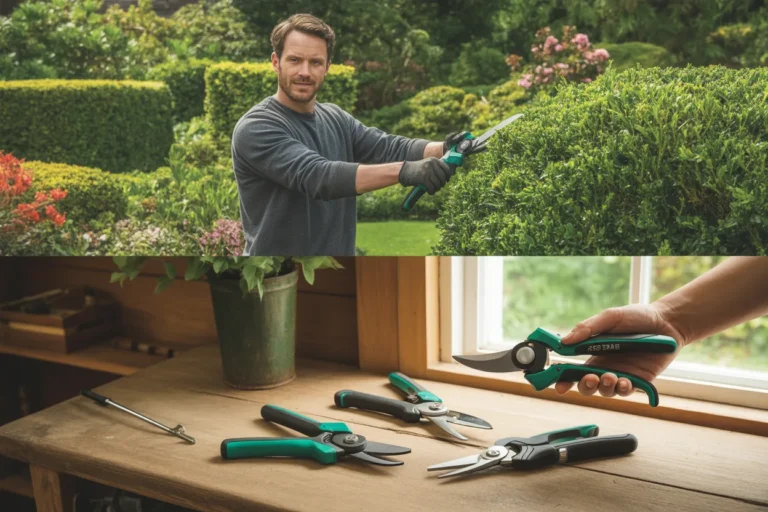
Manual shears, however, shine in small daily tasks such as trimming soft shoots, shaping small shrubs, or quick touch-ups. Because they rely solely on hand power, they remain simple, quiet, and always ready to use — no charging required.
How to choose:
- Choose electric shears for long work sessions, thicker branches, or repetitive cutting.
- Choose manual shears for precision work, shaping tasks, and light pruning around the home.
2. Best Tools for Orchards & Vineyards: Are Electric Shears Worth the Upgrade?
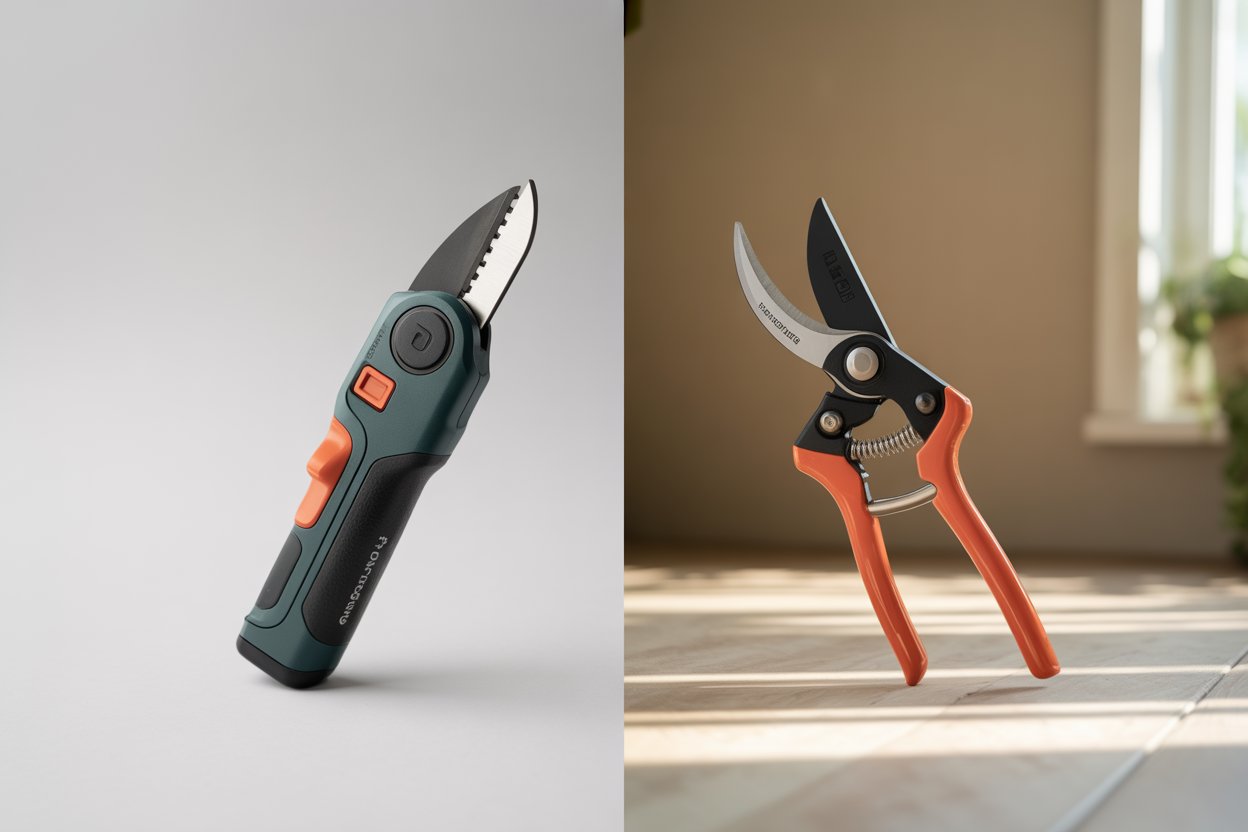
In orchards and vineyards, where workers may prune hundreds or thousands of branches per day, cordless electric shears1 offer clear advantages. They reduce fatigue, speed up the harvest season, and help maintain consistent cutting angles — which is critical for fruit tree health and yield.
Manual shears may still have a place in selective cuts or when training young vines, but for large-scale agriculture, electric models help maintain productivity while protecting workers’ joints and tendons.
Insight:
If your daily pruning count exceeds 200–300 cuts, the upgrade to electric shears usually pays off within a single season.
3. Ergonomics & Fatigue: How Electric Shears Reduce Hand Strain
One of the strongest benefits of cordless shears is the reduction of physical stress. Traditional manual shears rely entirely on hand strength, which can lead to wrist pain, forearm fatigue, and even long-term injuries like tendonitis.
Electric shears eliminate the need for squeezing force. With a trigger-operated mechanism, each cut requires little to no hand pressure. For professionals who work long hours, this can dramatically improve comfort, reduce sick days, and increase long-term sustainability of their work.
Who benefits most:
- Elderly gardeners
- Workers with arthritis or weak grip strength
- Professional pruners with high daily workloads
4. Precision Cutting: Why Manual Shears Still Matter
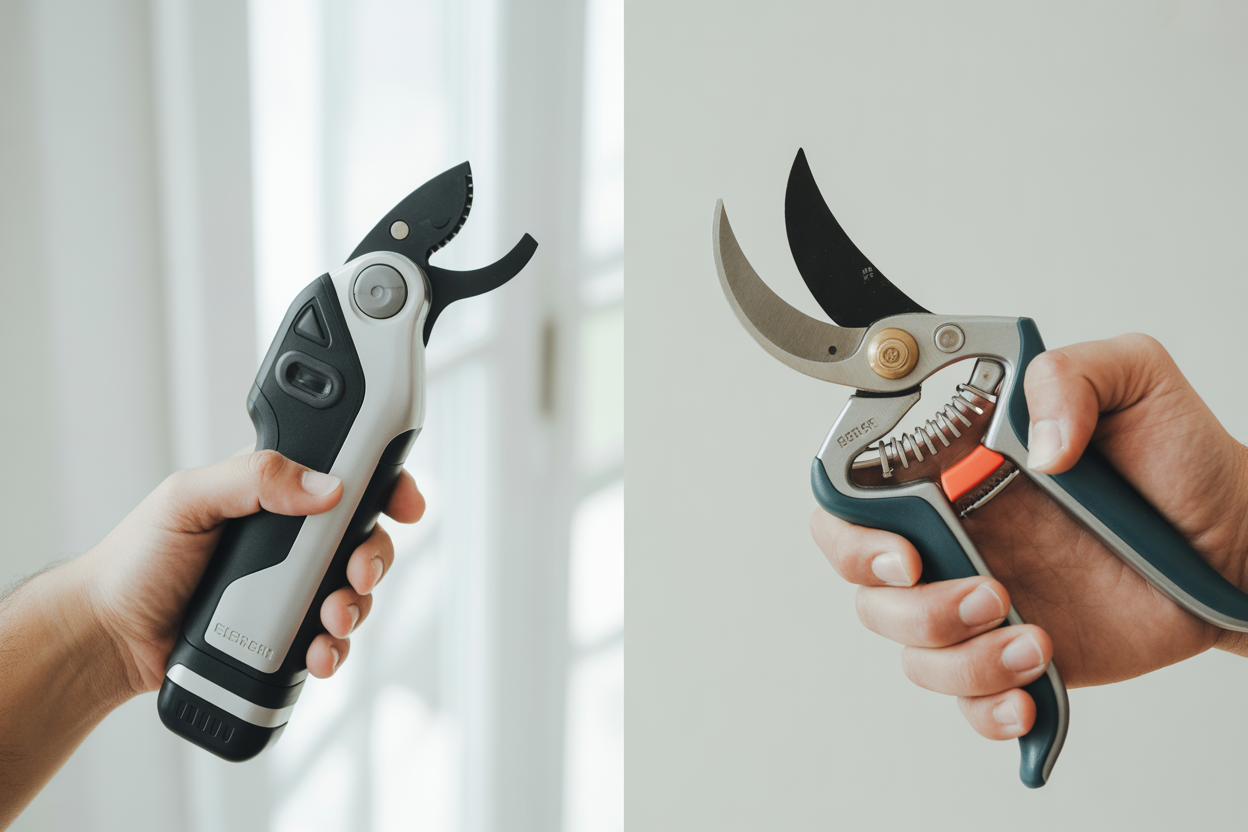
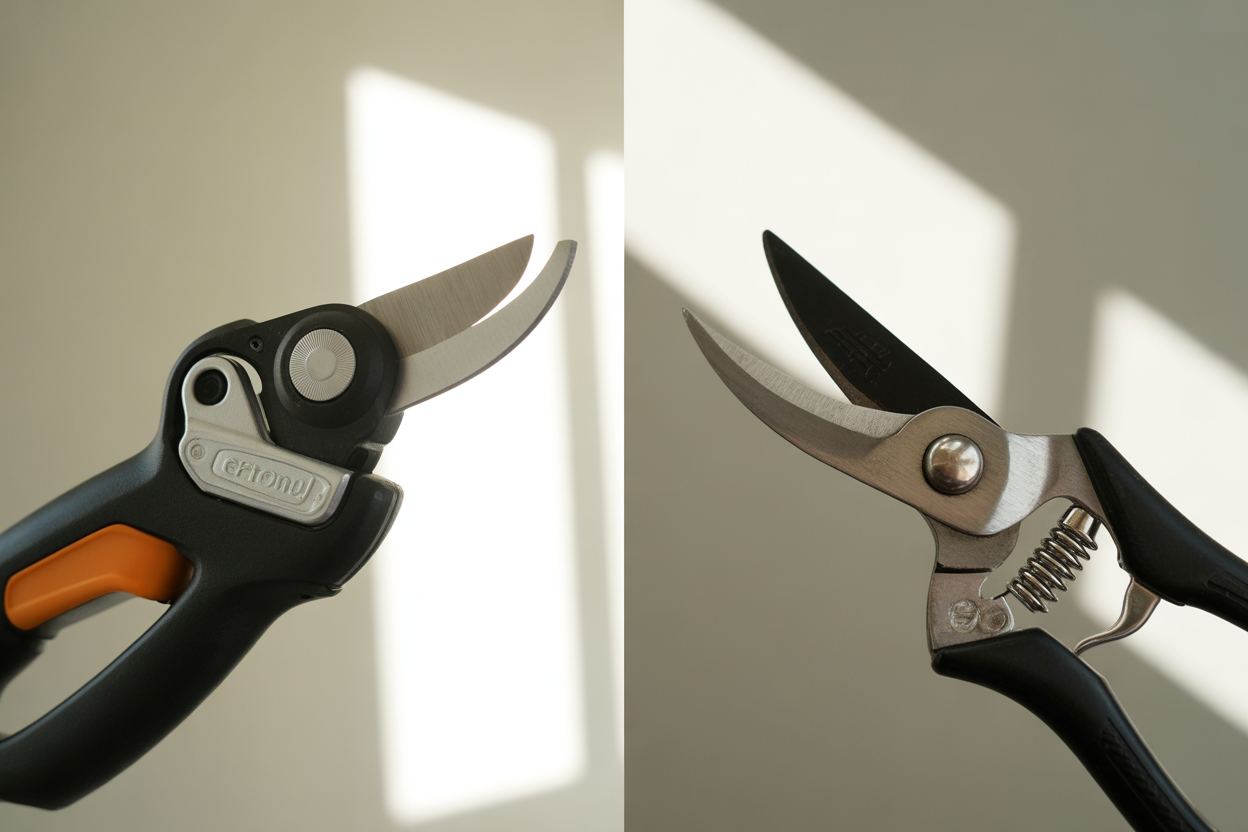
Although electric shears are powerful, manual pruning shears2 remain unmatched in delicate or artistic tasks. For bonsai shaping, flower pruning, and fine trimming, the “feel” of manual shears gives gardeners complete control.
Electric tools may cut faster, but they also cut decisively — sometimes too decisively for fragile plants. Manual shears allow you to adjust pressure, angle, and feedback from the branch, making them ideal for precision care.
Recommendation:
Use manual shears for flowers, ornamental plants, or when you need maximum control over every detail.
5. Productivity in Large-Scale Farming: Electric Shears as a Game Changer
In commercial environments like orchards, nurseries, blueberry farms, or landscaping services, electric shears can multiply productivity. Workers conserve energy, maintain consistent cutting force, and finish large areas in shorter time frames.
This productivity boost is increasingly valuable as labor shortages affect agricultural industries worldwide. Many farms adopting electric shears report improved worker satisfaction and reduced turnover — an overlooked but important factor for business success.
6. Battery Technology Trends: Longer Runtime & Safer BMS Systems
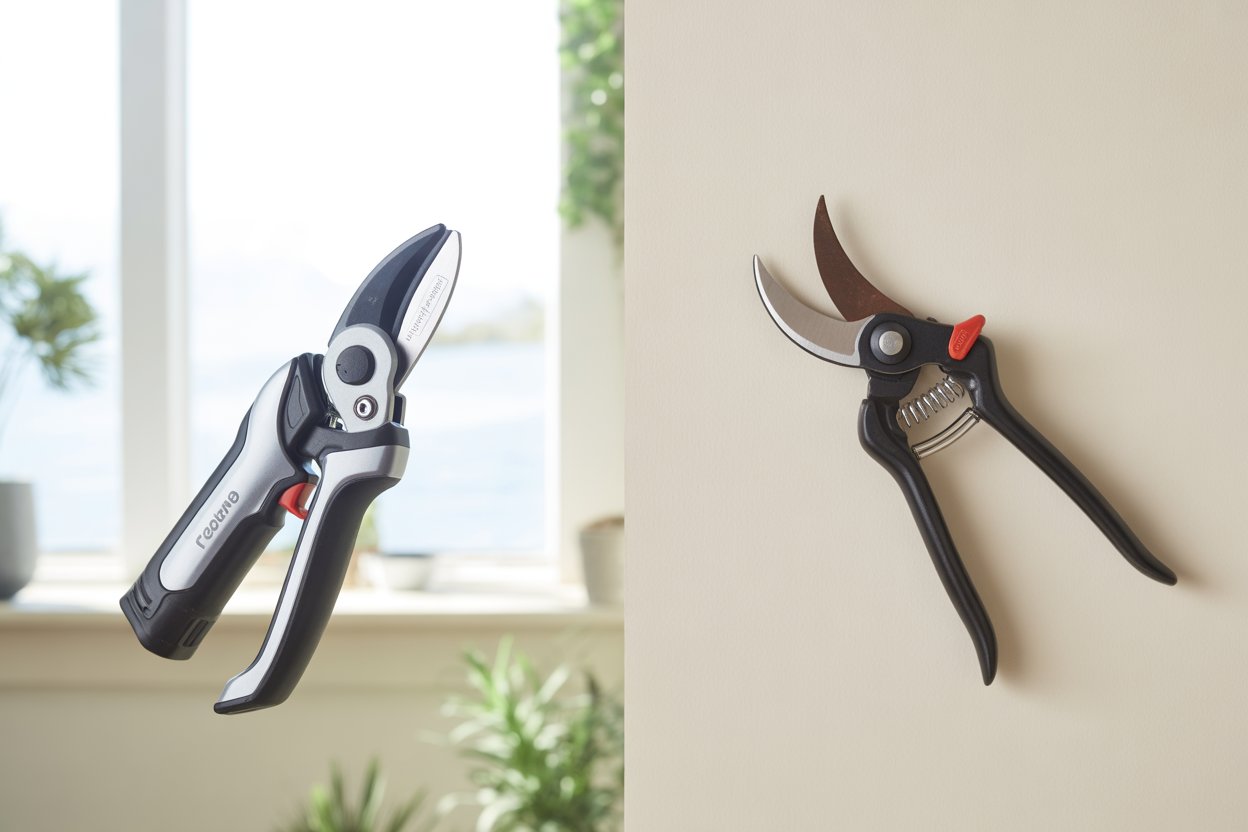
Cordless shears have advanced significantly with modern lithium-ion batteries. Today’s tools often feature:
- Longer runtime (1.5–3 hours of continuous work)
- Fast charging systems
- Smart BMS for overcharge, overheating, and short-circuit protection
- Brushless motors for longer lifespan and efficiency
For users, this means more reliable performance and safer operation. If you're purchasing electric shears, checking the battery specs and BMS protection is one of the smartest evaluations you can make.
7. Safety First: Comparing Injury Prevention Features
Electric pruning shears often come with built-in safety systems:
- Auto-stop sensors
- Double-trigger protection
- Blade locking mechanisms
- Motor overload cutoff
Manual shears, while simple, rely solely on technique and user awareness, which may increase risk during long or fatigued work sessions.
However, electric shears do require caution when changing blades or working in wet environments. Both tools have safety considerations — understanding them helps reduce accidents.
8. Cost vs. Value: When Does Investing in Electric Shears Pay Off?
While electric shears have a higher upfront cost, they usually pay for themselves through time savings, reduced fatigue, and higher output.
For home gardeners with small yards, manual shears may remain a cost-effective and practical choice. But for professionals, the value of electric shears becomes obvious during the first busy season.
Simple rule:
- Occasional users → Manual shears
- Frequent or professional users → Electric shears
9. Urban Gardening Trends: Lightweight Tools for Home Users
Urban gardeners often look for tools that are simple, lightweight, and quiet. Manual shears are perfect for balcony plants, small decorative shrubs, herbs, and flowers.
Compact electric shears are also becoming popular, especially for users who want convenience with minimal physical effort. As cities promote home gardening and green balconies, both tools have strong roles depending on plant type and user preference.
10. Sustainability & Energy Efficiency in Modern Pruning Tools
From a sustainability perspective, both tools have unique strengths:
- Manual shears: zero energy consumption, long lifespan, minimal maintenance.
- Electric shears: reduce physical strain, prevent over-pruning, and improve productivity, often enabling more efficient farm management.
Choosing the sustainable option doesn't mean choosing the manual one — it means choosing the tool that reduces waste, prevents plant damage, and supports healthier growing practices.
🌿 Conclusion
Both cordless electric shears1 and manual pruning shears2 have roles in modern gardening. The best choice depends on your workload, plant type, precision needs, and physical comfort. Understanding both tools allows you to work smarter, safer, and with better long-term results.