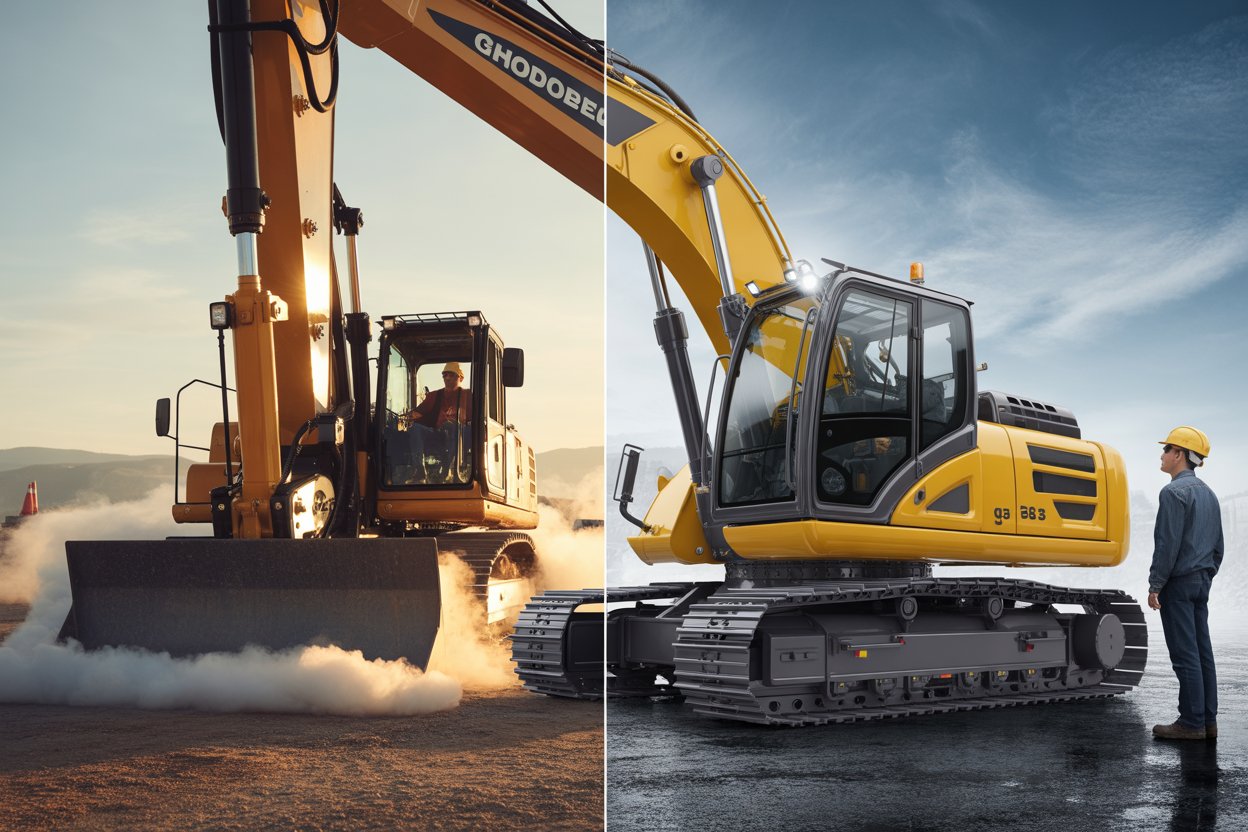
Switching from gas to electric power tools used to sound impossible. But here we are—standing at the edge of a quiet, cleaner, and far more efficient revolution in heavy equipment. The industry isn’t just adapting; it’s transforming, and I’ve seen it firsthand on factory floors and in job sites around the world.
Snippet paragraph...
The electrification of heavy equipment1 means replacing gas engines with battery-powered systems2. It reduces fuel costs, emissions, and maintenance while improving energy efficiency and operator comfort. This shift is driven by stricter environmental standards and growing demand for sustainable, high-performance tools.
Electric tools aren’t only about “going green.” They’re about smarter engineering—quieter performance, lower maintenance, and greater precision. Let’s dive deeper into why this transformation matters and what it means for people like us who work with power tools every single day.
The Shift from Gas to Electric: Why the Industry Is Changing
At first, I didn’t believe electric heavy equipment could match gas performance. But change came faster than expected—mainly because regulations tightened and customers wanted quieter, cleaner tools.
Snippet paragraph...
The shift from gas to electric tools is driven by environmental regulations3, rising fuel costs, and improved lithium battery technology4. Electric tools now offer power levels close to gas models while producing zero emissions5 and significantly reducing noise and vibration.
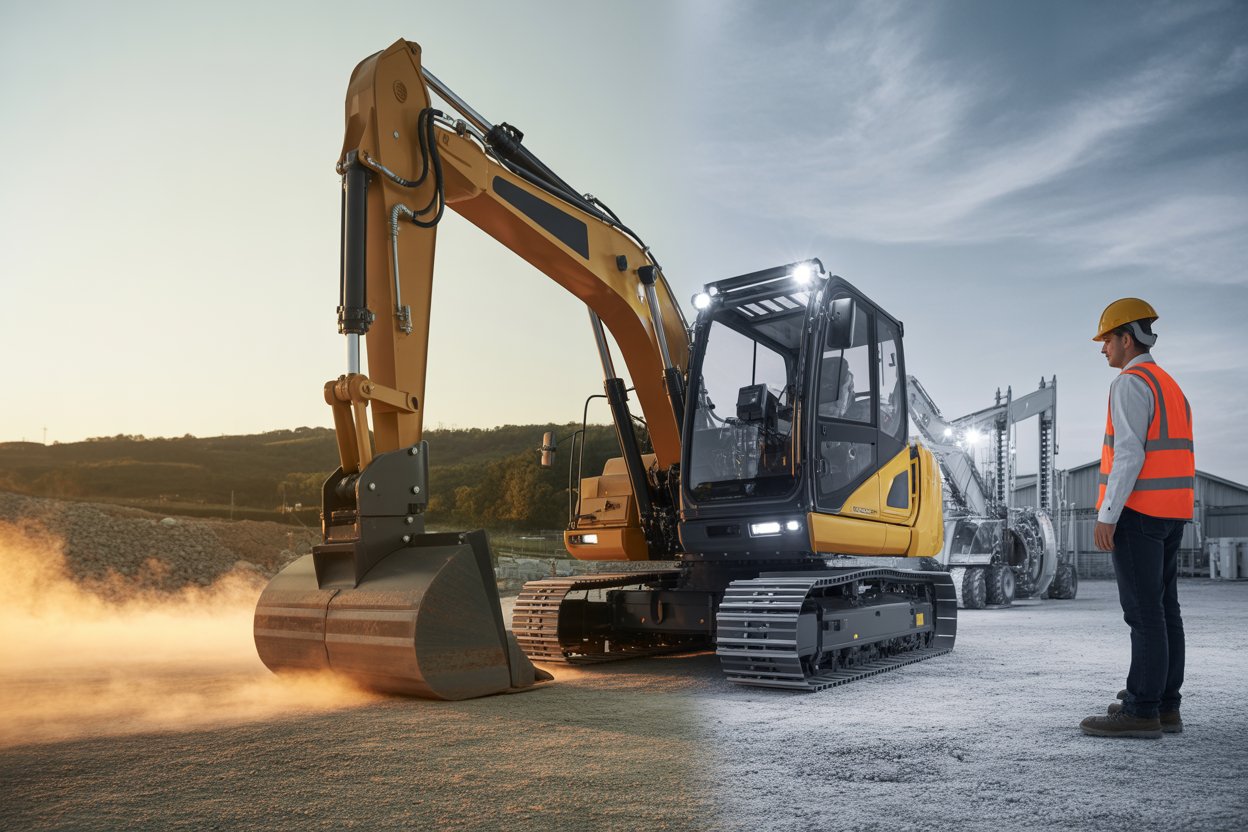
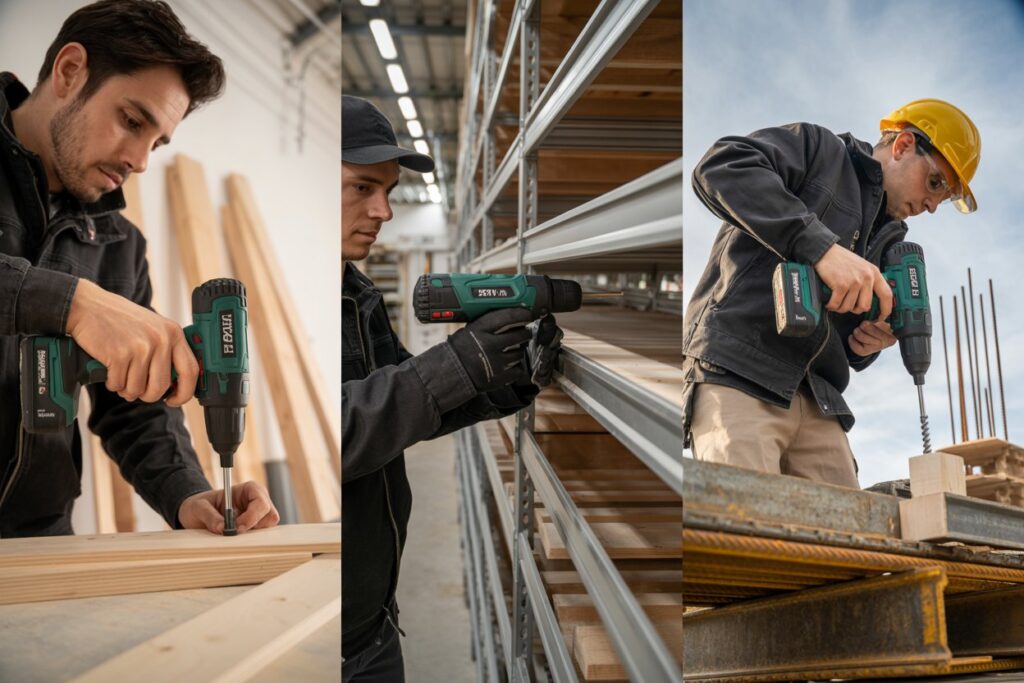
When I visited a construction site in Italy last year, I saw a team replacing all their gas trimmers with cordless ones. The reason wasn’t just cost—it was health. The workers told me they no longer went home with headaches from fumes.
Why It’s Happening Now
| Key Driver | Description |
|---|---|
| Emission regulations | Governments push for zero-emission worksites. |
| Battery cost drop | Lithium prices fell, making electric tools affordable. |
| Urban work limits | Cities restrict noisy and polluting gas tools. |
This shift isn’t a “maybe” anymore. It’s happening now, and manufacturers like YOUWE Power Tools are racing to keep pace with the new demand.
Advantages of Electrified Heavy Equipment in Performance and Maintenance
When I started testing cordless impact wrenches, I realized something surprising—they weren’t weaker than gas versions; they were smarter.
Snippet paragraph...
Electric heavy tools offer consistent torque, instant start-up, and lower maintenance. With fewer moving parts and no need for oil or filters, they reduce downtime. Additionally, electric motors provide stable power output and smoother operation for precision work.
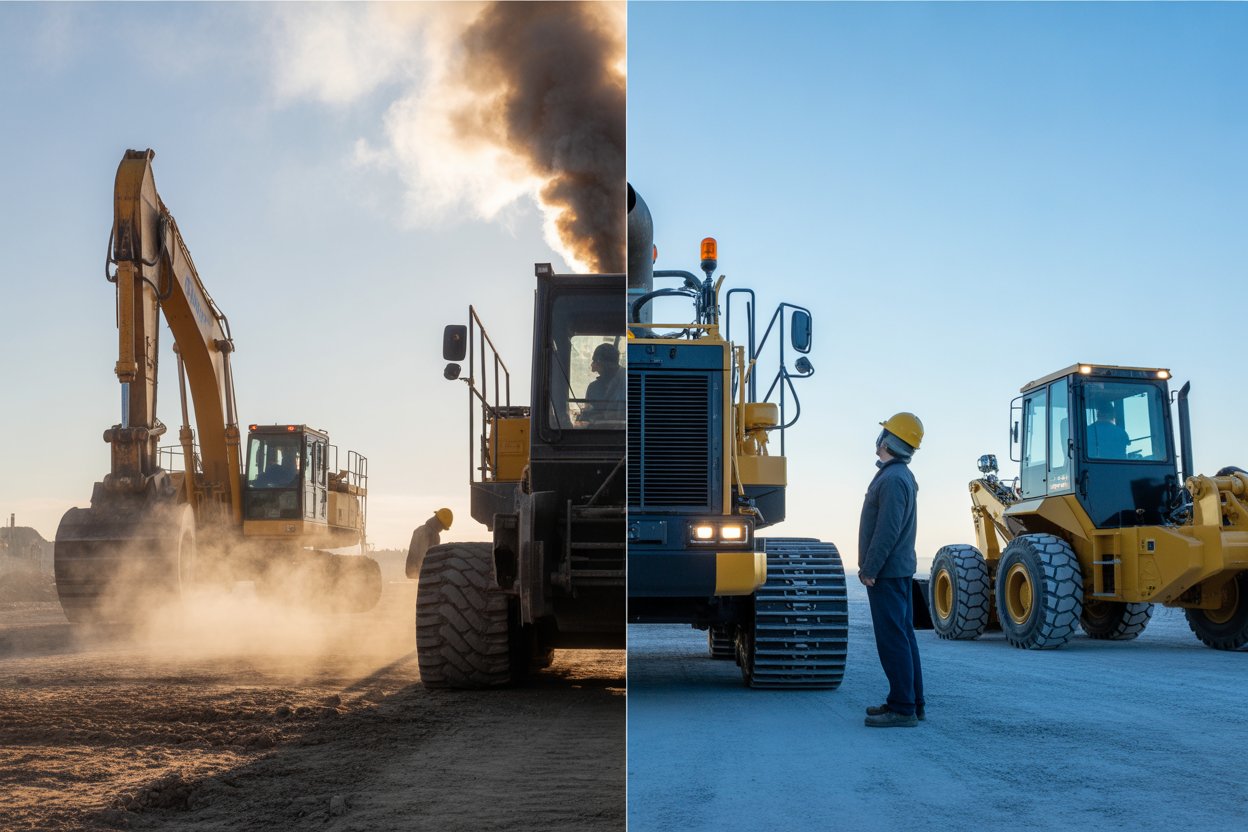
Think about it: no choke, no fuel mix, no endless pull-starting in cold weather. Just push the button, and it’s ready.
Maintenance Benefits
| Component | Gas Tools | Electric Tools |
|---|---|---|
| Engine parts | Frequent wear | Minimal |
| Fuel system | Requires cleaning | None |
| Oil change | Regular | Not needed |
And when something does need fixing, it’s usually simpler. In my factory, we’ve seen clients cut maintenance costs by 40% after switching to electric. That’s money that goes straight back into the business.
But performance is where the real story lies—constant torque delivery means smoother cuts, faster drilling, and less strain on the operator. You feel the difference in your hands after a long day’s work.
Challenges in Battery Power and Infrastructure for Heavy Tools
Now, let’s be honest—electrification isn’t all smooth sailing. The biggest challenge? Battery capacity.
Snippet paragraph...
Electric heavy equipment faces limits in battery capacity, charging time, and energy density. Long operating hours require high-capacity battery packs, while charging infrastructure6 and standardized systems are still developing across job sites.
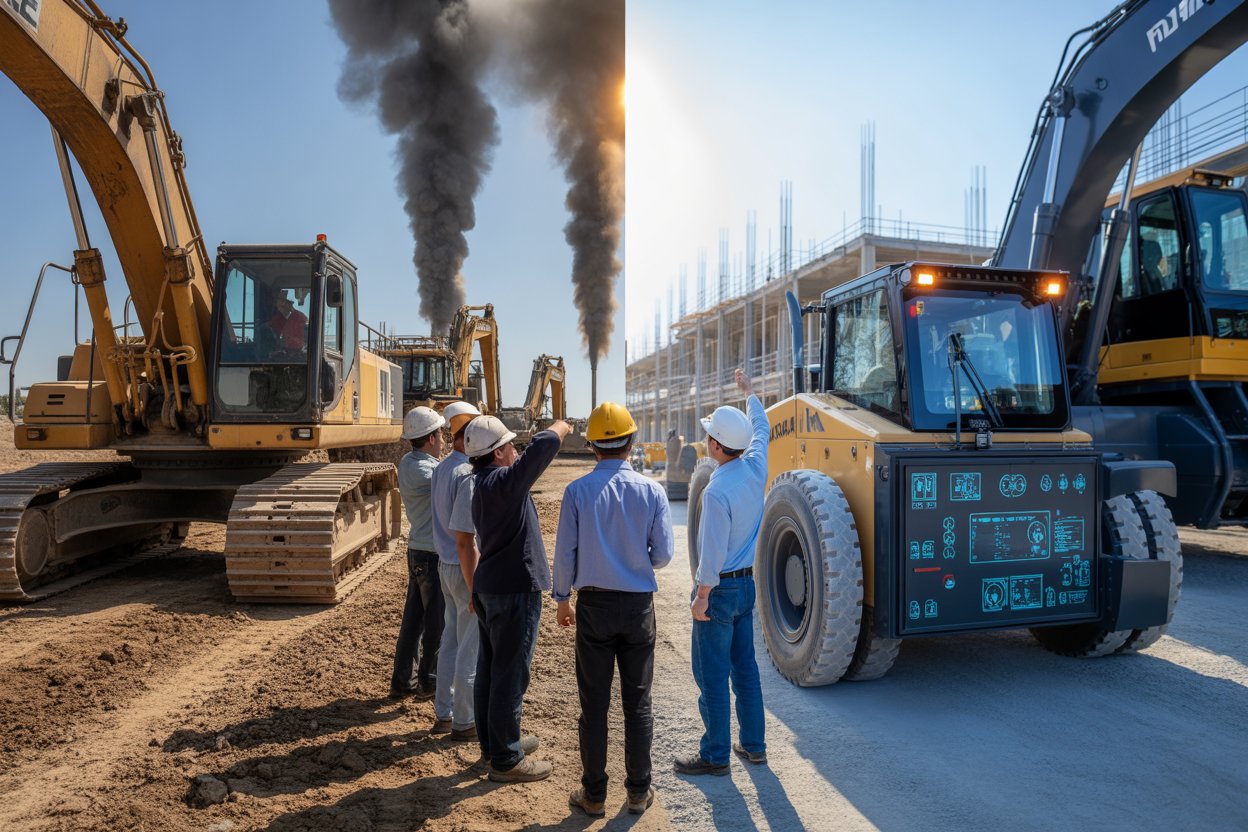
When I talk to clients in construction, their first question is always, “Can it last all day?” Fair question. Batteries have come a long way, but high-demand jobs still drain power fast.
The Real-World Limits
| Issue | Impact |
|---|---|
| Battery weight | Affects tool balance |
| Charging downtime | Reduces productivity |
| Supply chain | Cost of lithium and chips fluctuates |
That’s why we’re seeing a push toward modular battery systems—shared packs that fit multiple machines. In some pilot projects, contractors set up mobile solar charging stations right on-site.
The infrastructure gap will close over time, just like it did with electric vehicles. For now, smart scheduling and backup batteries are the way forward.
The Road Ahead: Innovations Driving Full Electrification
Every big change starts small. I remember when cordless drills first came out—people laughed, said they’d never replace corded ones. They were wrong.
Snippet paragraph...
The future of electrified tools lies in solid-state batteries7, AI-driven power management8, and hybrid systems. These innovations will improve energy density, reduce charge time, and create fully connected, self-monitoring tools for professional job sites.
I’m genuinely excited about what’s next. Imagine an excavator that tells you when its motor needs calibration, or a grinder that adjusts torque automatically based on material hardness. That’s not science fiction—it’s already in development.
Emerging Innovations
| Innovation | Function |
|---|---|
| Solid-state batteries | Higher density, faster charging |
| Smart power systems | Auto-optimize tool performance |
| Wireless charging pads | Reduce downtime on-site |
Companies like YOUWE are already testing lithium packs that deliver longer runtime with advanced cooling systems. These aren’t just “electric replacements”—they’re smarter, cleaner, and more connected versions of everything that came before.
Conclusion
The electrification of heavy tools isn’t just a trend—it’s a new chapter. It’s about cleaner air, quieter work, and smarter tools that help us build better. At YOUWE, we’re not just following this shift—we’re powering it, one cordless machine at a time.
-
Explore how electrification is transforming heavy equipment for better efficiency and sustainability. ↩
-
Learn about the advantages of battery-powered systems in reducing emissions and costs. ↩
-
Understand the role of regulations in driving the shift to electric tools. ↩
-
Discover the latest innovations in lithium battery technology that enhance electric tools. ↩
-
Find out how zero emissions contribute to a healthier work environment. ↩
-
Understand the challenges and developments in charging infrastructure for electric tools. ↩
-
Learn about solid-state batteries and how they can revolutionize power tools. ↩
-
Discover how AI can optimize tool performance and enhance productivity. ↩