When I first started working with power tools, I didn’t think much about ergonomics or environmental impact. I just wanted tools that worked hard and didn’t give up. But over time, I realized that how a tool feels in your hand, how safe it is, and how it impacts the world—it all matters.
Ergonomics, safety, and sustainability are now shaping how cordless tools are designed, used, and valued. They’re no longer side features—they define what makes a truly professional tool.
And honestly, as someone who’s spent years testing and exporting tools, I’ve seen how much these factors influence not just comfort, but productivity and long-term trust in a brand.
Ergonomic Design: Reducing Fatigue and Improving Control
I remember my first 8-hour shift with an old drill that weighed like a brick. By noon, my hand felt like it had been in a boxing match. That day taught me the real meaning of ergonomic design.
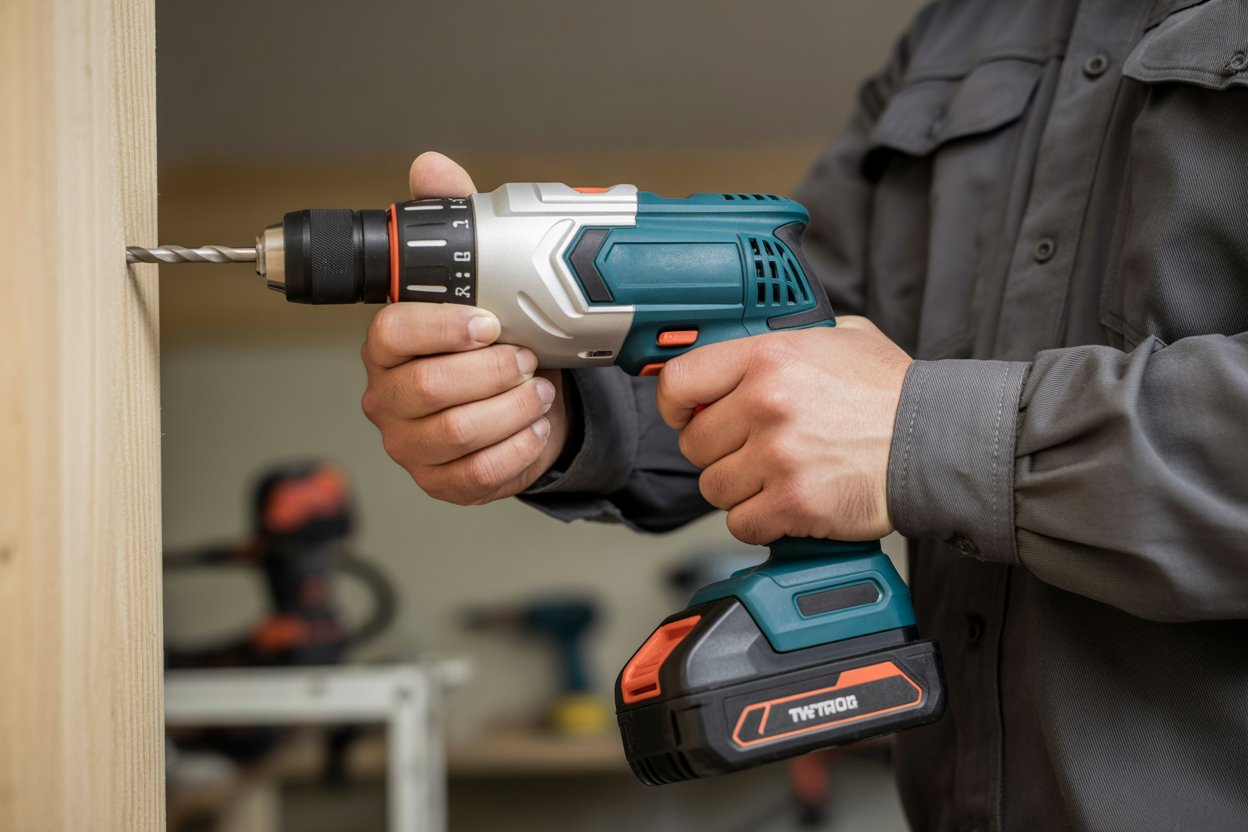
Ergonomic design means shaping tools to fit the user’s hand and working motion, reducing strain, improving control, and extending working comfort during long hours of use.
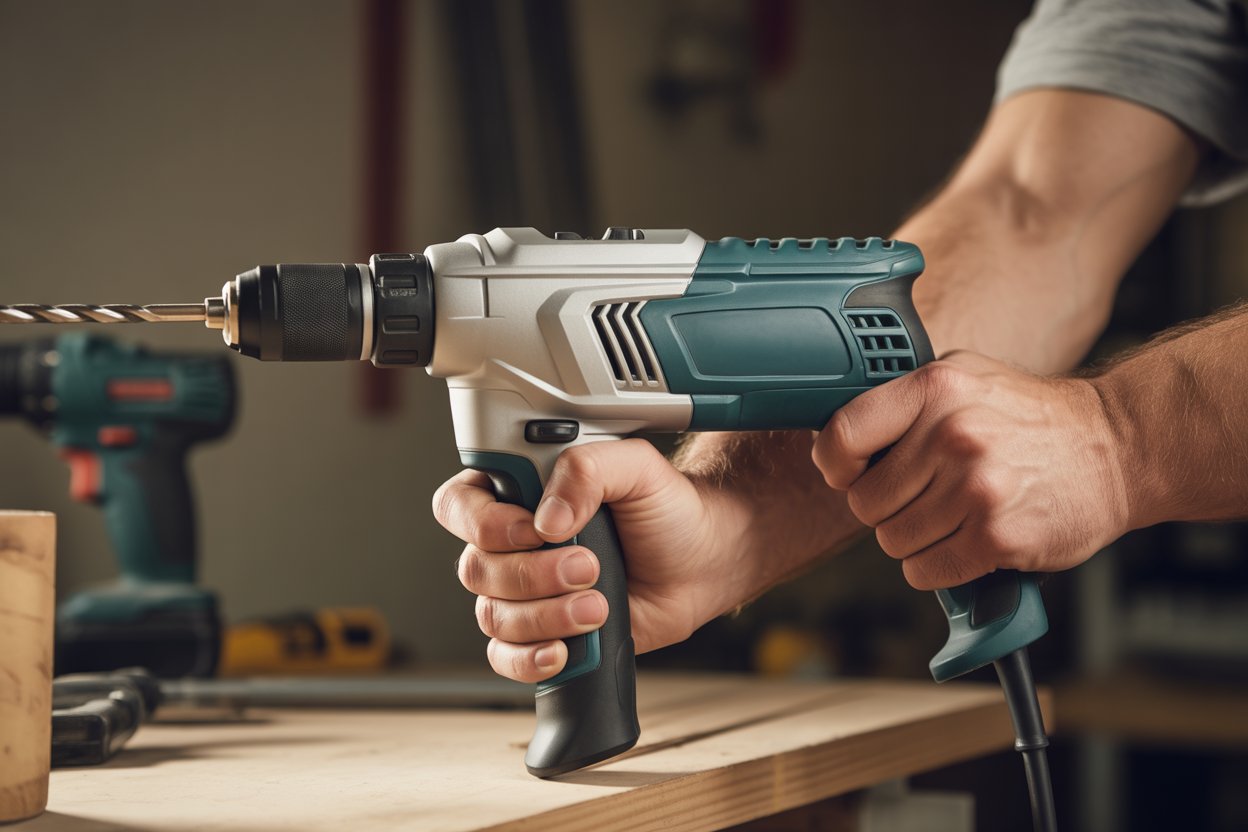
Modern cordless tools focus on weight balance, handle grip, and vibration reduction. An ergonomic handle doesn’t just feel good—it keeps your wrist aligned and prevents fatigue. Lightweight housings and smartly distributed motors help reduce wrist stress.
Here’s what I’ve learned over time:
| Feature | Benefit |
|---|---|
| Soft-grip handle | Reduces slipping and hand strain |
| Balanced center of gravity | Improves control and accuracy |
| Vibration damping | Less fatigue during long use |
| Compact battery placement | Easier handling in tight spaces |
I once worked with a client in Italy who told me, “The lighter the drill, the more work I can finish in a day.” He wasn’t exaggerating. When workers feel less pain, productivity shoots up. That’s why at YOUWE, we always test our tools with actual workers, not just in labs.
Safety Innovations: Protecting Users and Preventing Accidents
Even the best power tools can become dangerous if safety isn’t built into the design. A single spark, a kickback, or a loose bit—one small mistake can cause big problems.
Modern cordless tools include built-in safety features such as electronic brake systems, overload protection, anti-kickback sensors, and secure lock triggers to prevent accidents and ensure user safety.
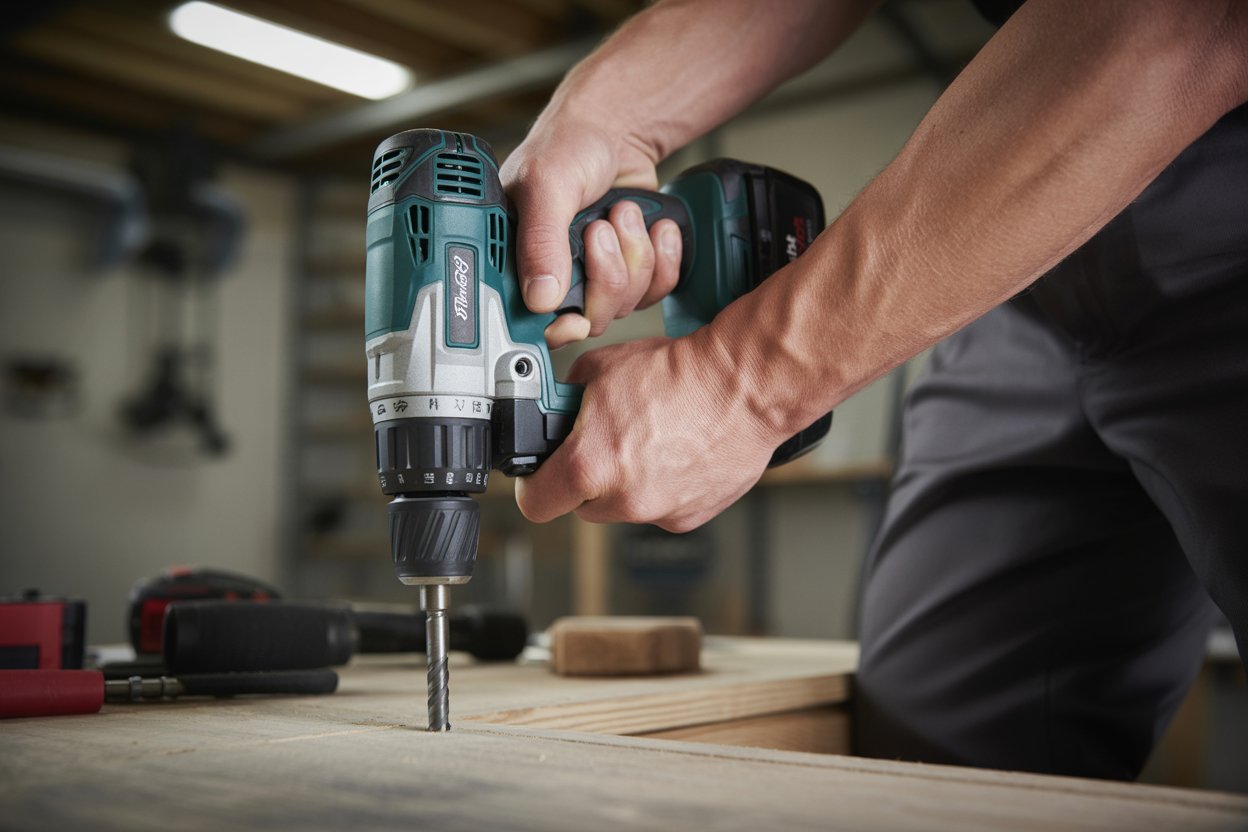
When I visit factories, I often see how small safety upgrades make a huge difference. For example, automatic shut-off systems stop the motor instantly when resistance spikes. Temperature sensors prevent overheating. And insulated housings reduce shock risks, especially in humid environments.
There’s a real human story behind every innovation—someone somewhere got hurt once, and engineers made sure it wouldn’t happen again.
That’s why I always encourage buyers like Deivis to check not just performance, but protection systems. A tool that saves time is great, but one that saves hands is priceless.
Sustainable Materials and Battery Recycling Initiatives
Here’s the truth: the tool industry isn’t just about what’s strong—it’s about what’s responsible. Every battery, every motor, every casing leaves a mark on the planet.
Sustainability in cordless tools focuses on recyclable materials, energy-efficient production, and battery recycling programs that reduce environmental impact and promote circular use of resources.
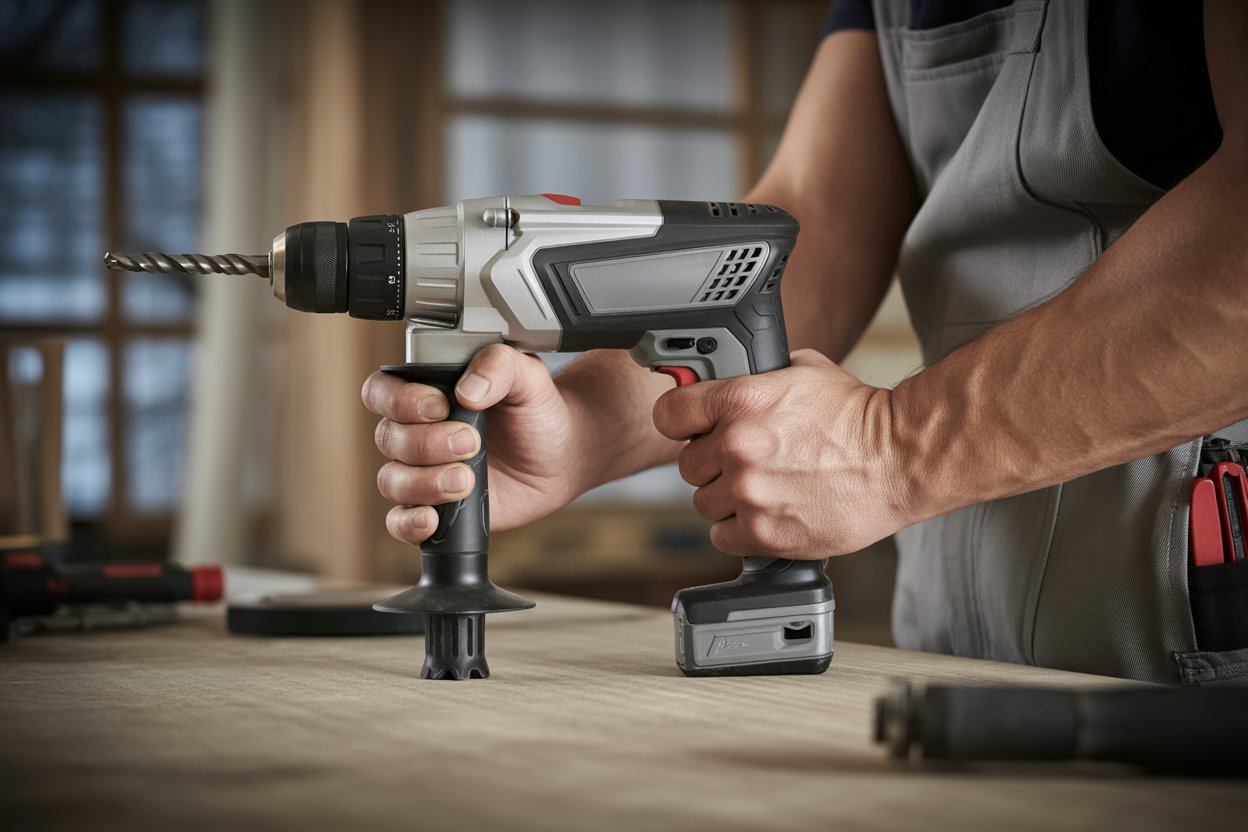
I’ve seen factories in China that now use recycled aluminum housings and low-emission paint finishes. Batteries, too, are evolving. Lithium-ion packs can now be refurbished and reused, cutting waste by nearly 30%.
At YOUWE, we’re investing in battery recycling initiatives to ensure old packs don’t just get tossed—they get reborn. We’re also exploring biodegradable packaging for shipping our cordless series.
Here’s a simple way to look at it:
| Initiative | Environmental Benefit |
|---|---|
| Recycled metals | Reduces mining impact |
| Eco-friendly packaging | Less plastic waste |
| Battery return programs | Encourages reuse and recycling |
| Efficient manufacturing | Lowers carbon emissions |
Because in the end, what good is a powerful drill if the world it builds becomes unlivable?
Balancing Power with Responsibility: The Future of Green Tools
Every time I talk to buyers, I hear the same question: Can we have both power and eco-friendliness? My answer? Absolutely—if we design with intention.
The future of cordless tools lies in balancing power with responsibility, combining high-efficiency brushless motors, smart energy management, and eco-friendly materials to achieve performance without harming the environment.
Think of it like driving an electric car—it’s fast, quiet, and guilt-free. The same concept applies to cordless tools.
Brushless motors deliver longer life with less energy. Smart chips adjust power output to the task, saving battery life.
And brands that embrace eco-design don’t just win awards—they win loyal customers.
I recently spoke with a European distributor who said his clients are asking for “green-certified” tools. That’s the shift happening now. It’s not only about torque numbers or RPMs—it’s about ethics.
And if we, as manufacturers and buyers, take this seriously, we can build an industry that doesn’t just produce tools—but progress.
Conclusion
Ergonomics, safety, and sustainability aren’t luxuries—they’re the foundation of modern cordless tools. At YOUWE, we believe real power lies not just in torque, but in the thought, care, and responsibility behind every tool we build.
When I first started working with power tools, I didn’t think much about ergonomics1 or environmental impact. I just wanted tools that worked hard and didn’t give up. But over time, I realized that how a tool feels in your hand, how safe it is, and how it impacts the world—it all matters.
Ergonomics, safety, and sustainability are now shaping how cordless tools are designed, used, and valued. They’re no longer side features—they define what makes a truly professional tool.
And honestly, as someone who’s spent years testing and exporting tools, I’ve seen how much these factors influence not just comfort, but productivity and long-term trust in a brand.
-
Understanding ergonomics can enhance your tool experience, reducing strain and improving productivity. ↩