Industrial & Heavy-Duty Adoption of Cordless Tools for Construction and Manufacturing
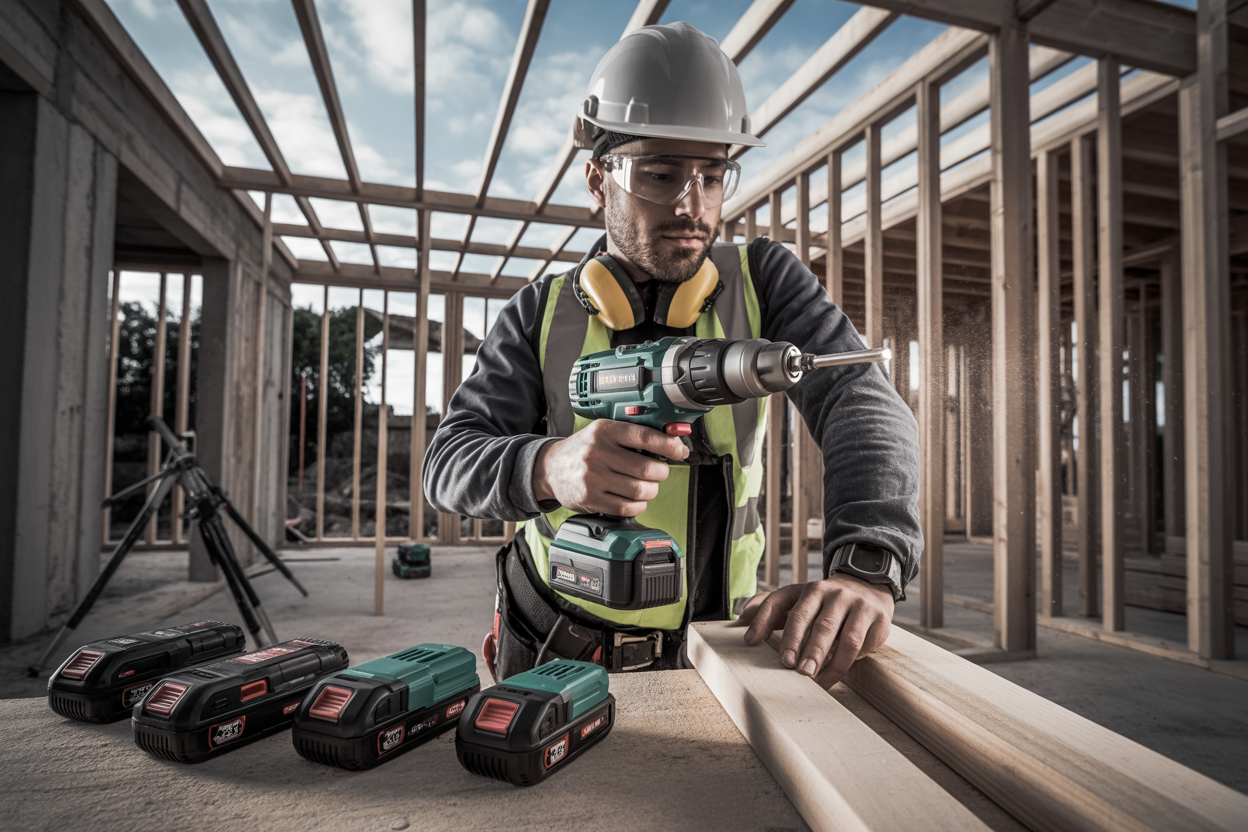
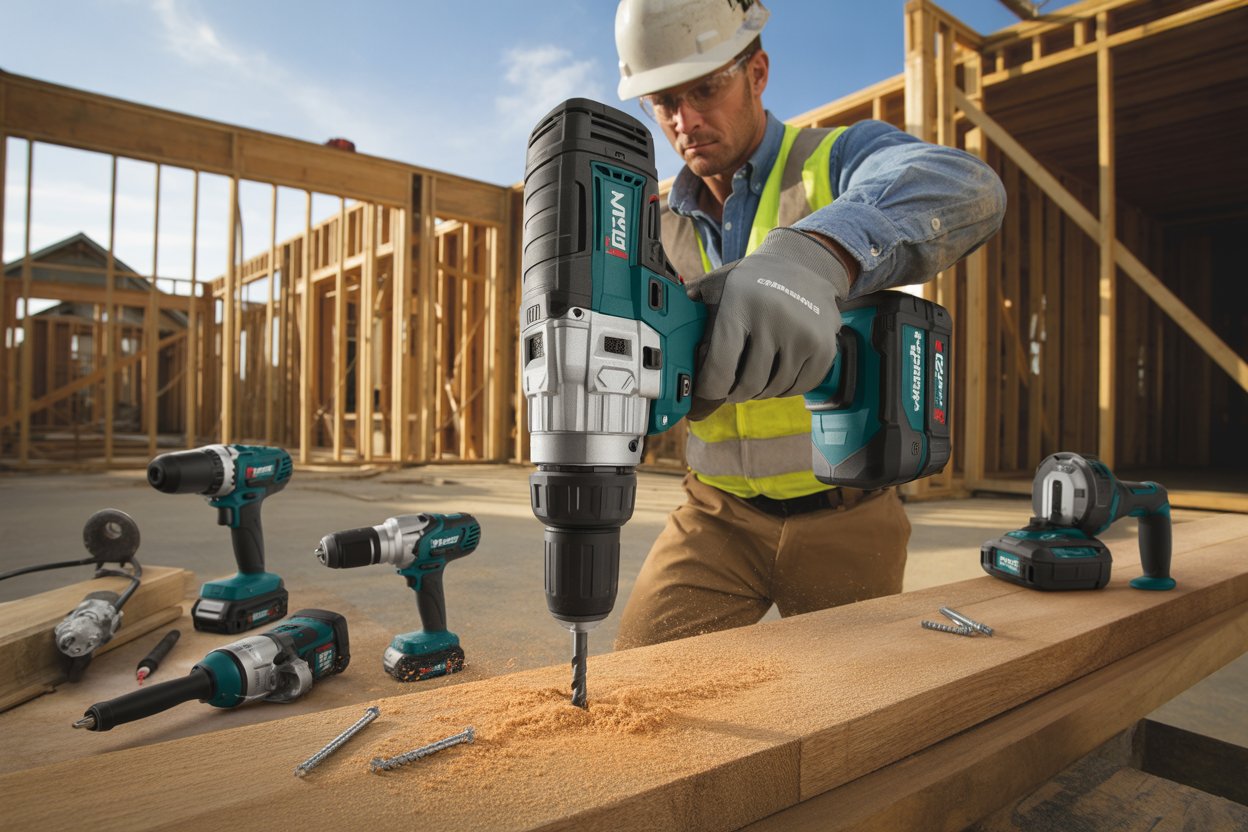
Cordless tools have evolved far beyond household use — they’re now powering construction sites and industrial facilities worldwide. From large-scale assembly lines to concrete drilling at height, these powerful tools are reshaping how professionals work, move, and build.
Cordless tools are transforming industrial productivity.
With longer runtimes1, tougher motors2, and smarter energy systems3, they’re replacing traditional corded machines in heavy-duty manufacturing and construction. Their appeal lies in freedom — no cords, fewer hazards, and unmatched mobility — without sacrificing the performance once thought exclusive to wired tools.
As someone who’s spent years walking through noisy workshops and muddy construction zones, I’ve seen this shift happen in real time. It’s not just a trend — it’s a quiet revolution of practicality, safety, and efficiency.
From Workshop to Worksite: The Rise of Heavy-Duty Cordless Tools
The past decade has seen cordless tools grow from simple DIY gadgets to serious industrial powerhouses. This transformation didn’t happen overnight—it came from better batteries, stronger motors, and growing trust from professionals on the job.
Cordless tools are now replacing traditional corded equipment in industrial sites due to improvements in torque, runtime, and portability.
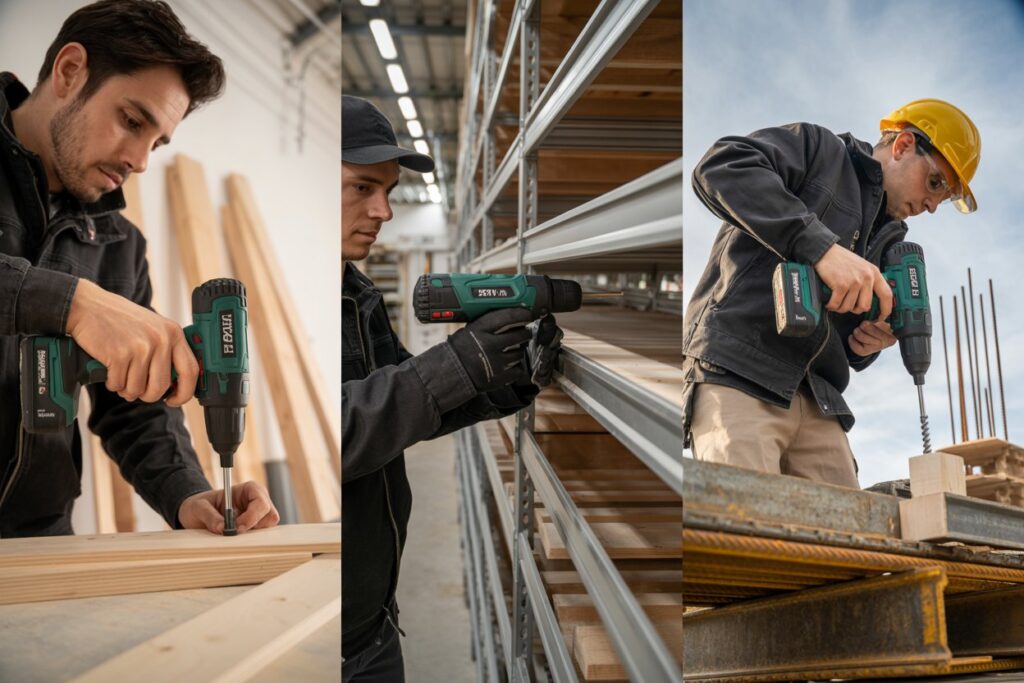
They allow workers to move freely across large job sites without extension cords, increasing both efficiency and safety.
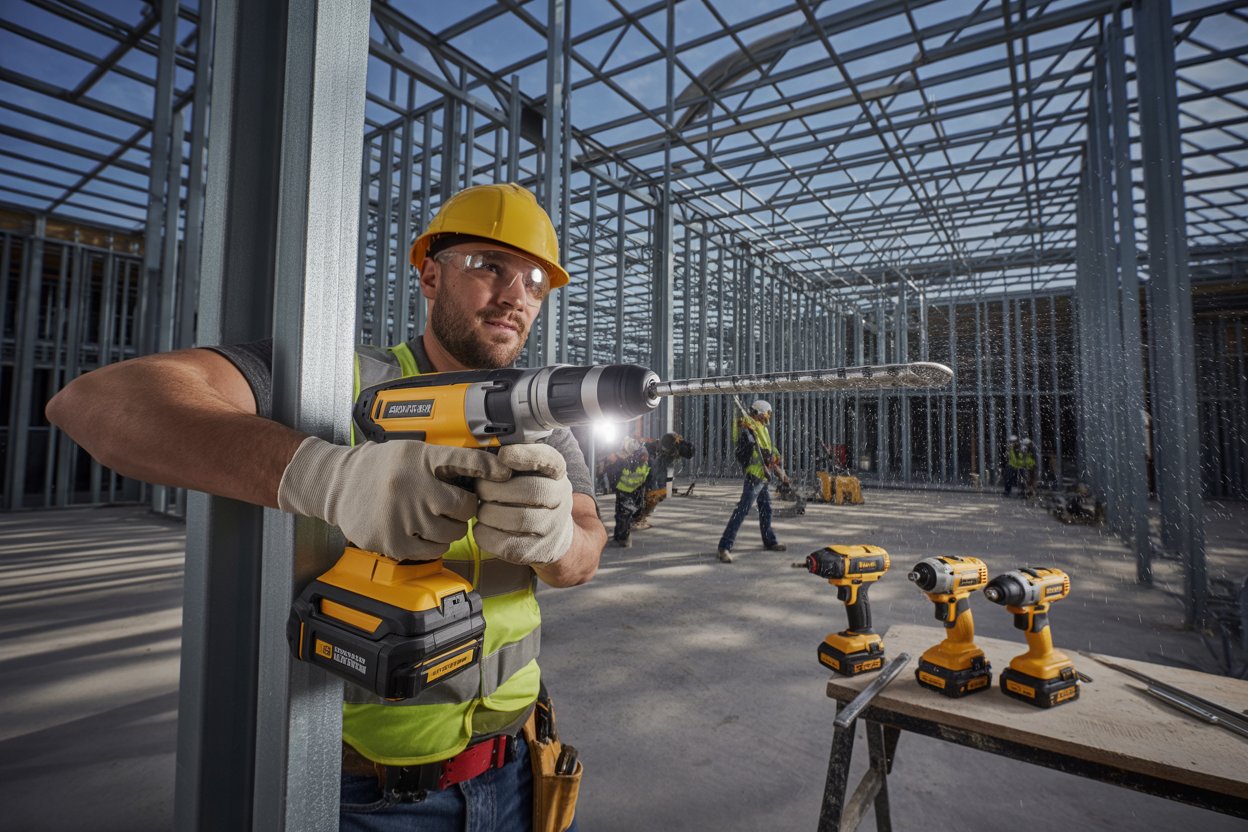
I still remember visiting a construction partner in Turkey last year. They were using our 21V cordless hammer drills on scaffolding, grinning at how light and steady the tools felt compared to their old wired ones. “No more tripping over cords,” one worker laughed. That’s when I knew—the cordless age wasn’t coming. It was already here.
| Category | Old Tools | Cordless Tools |
|---|---|---|
| Mobility | Limited by cords | Full mobility |
| Safety | Risk of tripping | Fewer hazards |
| Maintenance | Frequent cable wear | Minimal upkeep |
| Productivity | Slower setup | Faster operations |
Standardization, Performance, and Durability: Meeting the Demands of Industrial Work
Industrial environments are brutal testing grounds — dust, metal chips, extreme heat, and long hours. Cordless tools had to earn their place here through reliability and consistent performance.
Modern cordless tools meet industrial standards through reinforced housings, brushless motors, and advanced cooling systems.
They maintain torque and power over extended use while resisting damage from heat and vibration.
In my own factory back in China, we test every tool for drop resistance and overload protection. I’ve seen tools survive 1.5-meter drops onto concrete — and keep drilling. That’s not luck; that’s engineering.
To achieve consistent quality, brands like YOUWE design internal QC systems that match industrial certification standards (like CE, ETL, or GS). Because when your buyer in Italy or Germany opens that box, what they want is simple: a machine that just works.
Battery and Motor Innovations Powering Industrial Applications
The heart of any cordless tool lies in its battery and motor. Without innovation here, the industrial shift wouldn’t be possible.
Lithium-ion battery platforms and brushless motor technology have boosted energy efficiency, torque output, and runtime.
Industrial cordless tools now rival — and sometimes outperform — corded models in sustained power delivery.
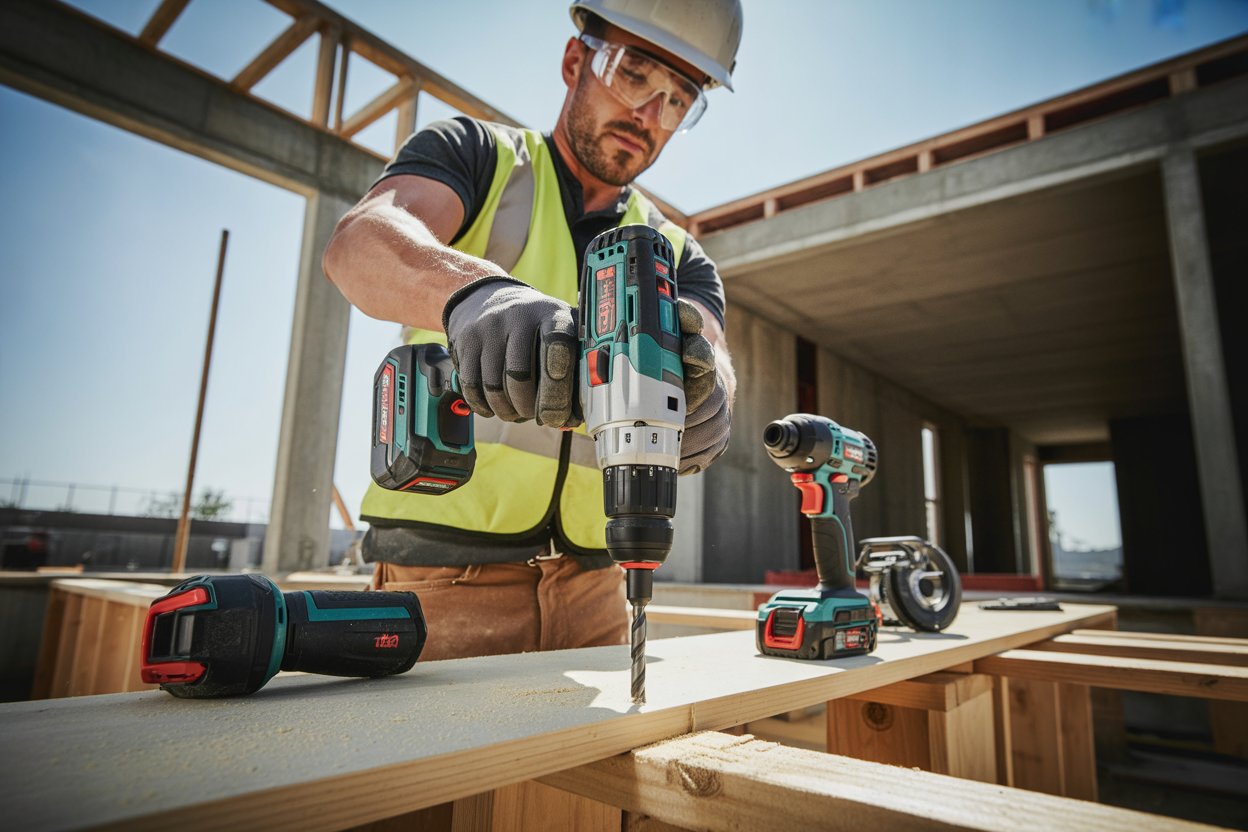
Here’s a truth I’ve learned while working with engineers: torque isn’t everything — control is. With smart BMS4 (Battery Management Systems), tools can now adjust current in real-time, preventing overheating or sudden shutdowns.
And modular battery platforms? They’re a game changer. Imagine one 21V pack fitting your grinder, drill, and wrench. It cuts costs, simplifies logistics, and makes cross-tool compatibility5 a strategic advantage for distributors.
| Technology | Benefit |
|---|---|
| Brushless Motor | 30% more efficiency |
| Li-ion Battery | Higher energy density |
| Smart BMS | Prevents overheating |
| Cross-Tool Battery Design | Reduces inventory cost |
Challenges and the Road Ahead for Full Industrial Electrification
Even as cordless tools become more capable, some barriers still hold back total adoption in heavy industries.
Key challenges include high battery replacement costs, limited capacity for 24/7 operations, and the need for unified charging standards.
However, ongoing R&D and global cooperation are pushing solutions faster than ever before.
Let’s be real — cordless tools still can’t match the nonstop power of pneumatic or corded systems in every situation. Factories running multi-shift production need reliability that never pauses. But here’s where I’m optimistic: solid-state batteries6 and fast-charging systems are already entering pilot stages.
When I talk to buyers like Deivis from Italy, they often ask, “Will it last through my workday?”
Soon, the answer will be a confident yes — not just in words, but in proven runtime.
Conclusion
Cordless industrial tools aren’t just evolving—they’re leading. The freedom they offer, powered by innovation in batteries and motors, is transforming how industries operate. As we move toward full electrification7, the question isn’t if cordless tools will dominate — it’s when.
Title: Industrial & Heavy-Duty Adoption of Cordless Tools: How Cordless Power Is Reshaping Construction and Manufacturing
Meta Description: Discover how heavy-duty cordless tools are transforming industrial and construction work. Learn about performance standards, motor and battery innovations, and the challenges driving full electrification7.
-
Learn how longer runtimes improve productivity and reduce downtime on job sites. ↩
-
Discover the impact of tougher motors on performance and durability in heavy-duty applications. ↩
-
Find out how advanced energy systems optimize tool efficiency and battery life. ↩
-
Discover how smart Battery Management Systems prevent overheating and enhance tool control. ↩
-
Find out how cross-tool compatibility simplifies logistics and reduces costs for users. ↩
-
Explore the potential of solid-state batteries to revolutionize cordless tool performance. ↩
-
Learn about the future trends and advancements in cordless tool technology. ↩ ↩