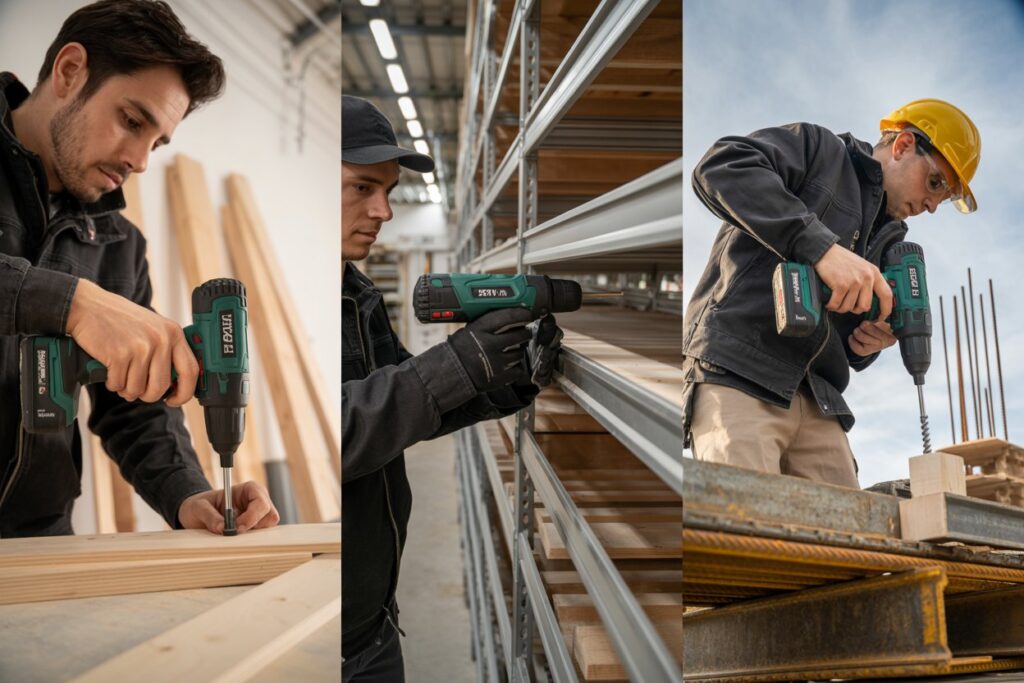
Interchangeable Battery Platforms & Tool Ecosystems
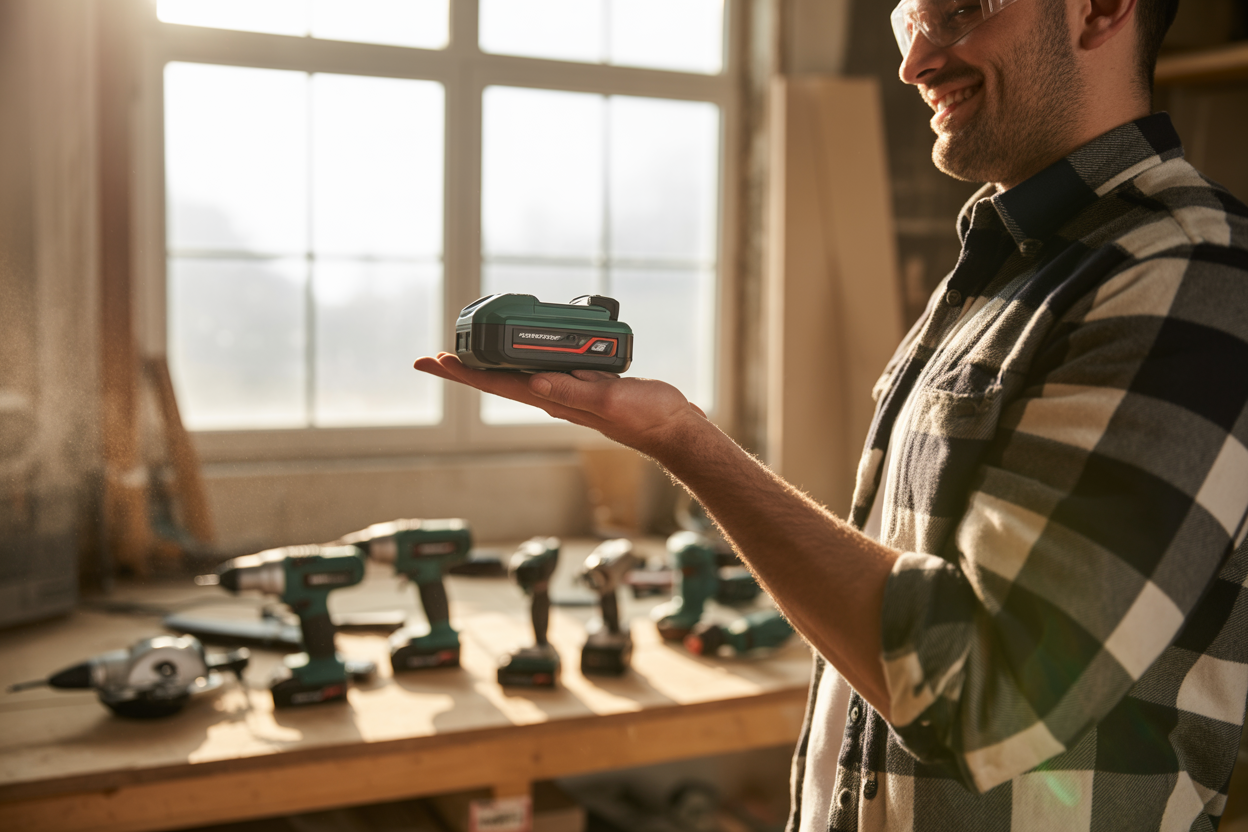
In the power tools world, compatibility is king. More users now expect one battery to fit multiple tools—no more piles of mismatched chargers and dead batteries. This shift is reshaping how we buy, use, and even trust brands in the cordless tool market.
Snippet paragraph...
Interchangeable battery platforms allow users to power different tools using the same battery pack, reducing costs, waste, and downtime. This system promotes brand loyalty1 while giving professionals and DIYers more freedom to mix and match tools within one ecosystem.
It wasn’t long ago that every drill, saw, and grinder demanded its own charger. Now, manufacturers are racing to build ecosystems where a single battery can drive an entire workshop. I’ve seen this firsthand—it’s transforming how my clients and I plan tool purchases and manage inventories.
The Power of Compatibility: One Battery for Multiple Tools
When you’ve got ten tools on the job site, nothing feels better than knowing one battery can handle them all.
Snippet paragraph...
One-battery systems allow multiple cordless tools—like drills, saws, and grinders—to share the same power source. This compatibility reduces downtime, simplifies charging, and eliminates the need for multiple chargers and battery types.
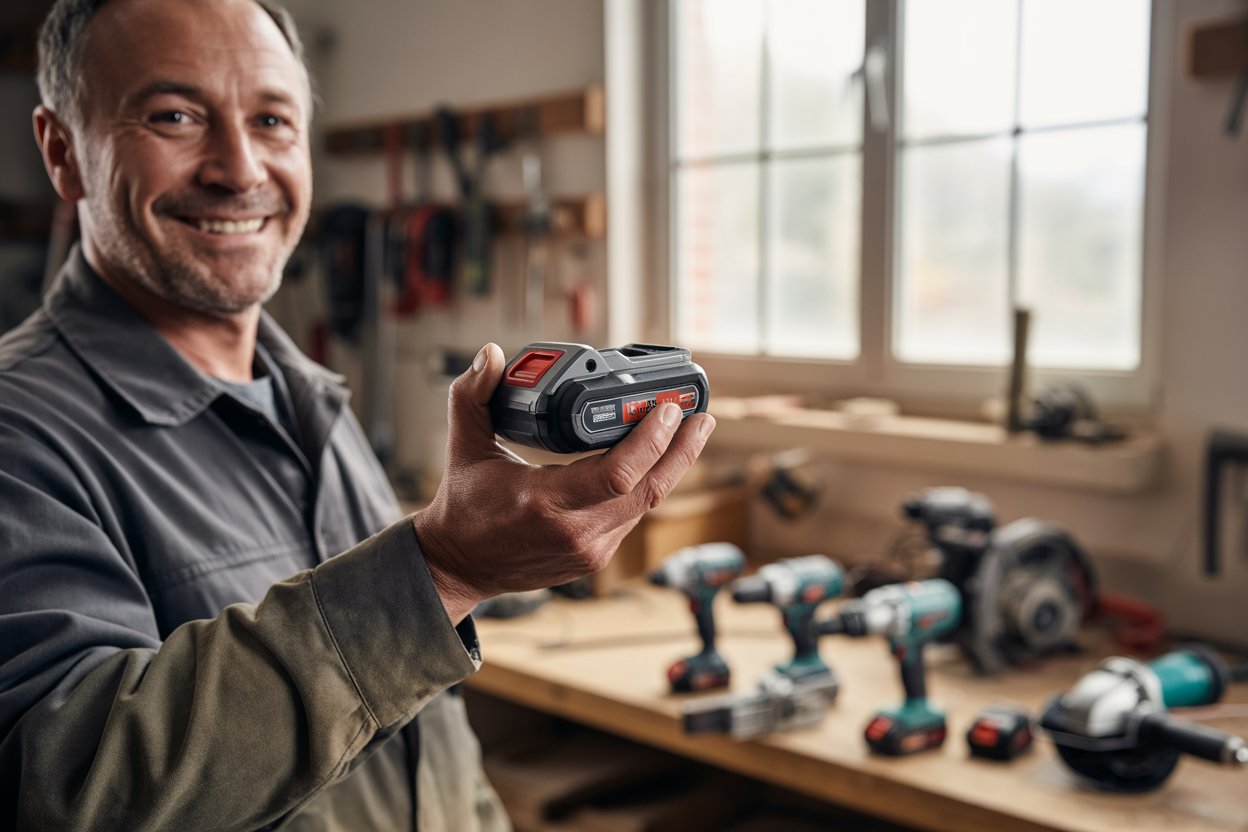
I remember a customer telling me, “Luna, I used to carry four chargers in my van. Now, just one battery runs my whole kit.” That’s the real beauty of compatibility—it’s not just about efficiency; it’s about freedom.
How It Works
Most brands design their batteries around a standard voltage platform—say 18V or 20V. That single battery slot fits across various tools using the same voltage range.
| Voltage Platform | Compatible Tools | Example |
|---|---|---|
| 18V / 20V | Drill, Impact Wrench, Grinder, Saw | Common across brands like Makita, YOUWE, DeWalt |
This modular system makes switching tools as easy as snapping a Lego piece into place.
Over time, the convenience becomes addictive—you start expecting it in every tool you buy.
Building a Unified Ecosystem: How Brands Are Expanding Their Platforms
Big brands aren’t just selling tools anymore—they’re building ecosystems that keep you inside their circle.
Snippet paragraph...
Tool ecosystems connect multiple product categories under one battery and charger system. Brands expand these platforms to include not only drills and saws but also garden tools, lighting, and even cleaning devices.
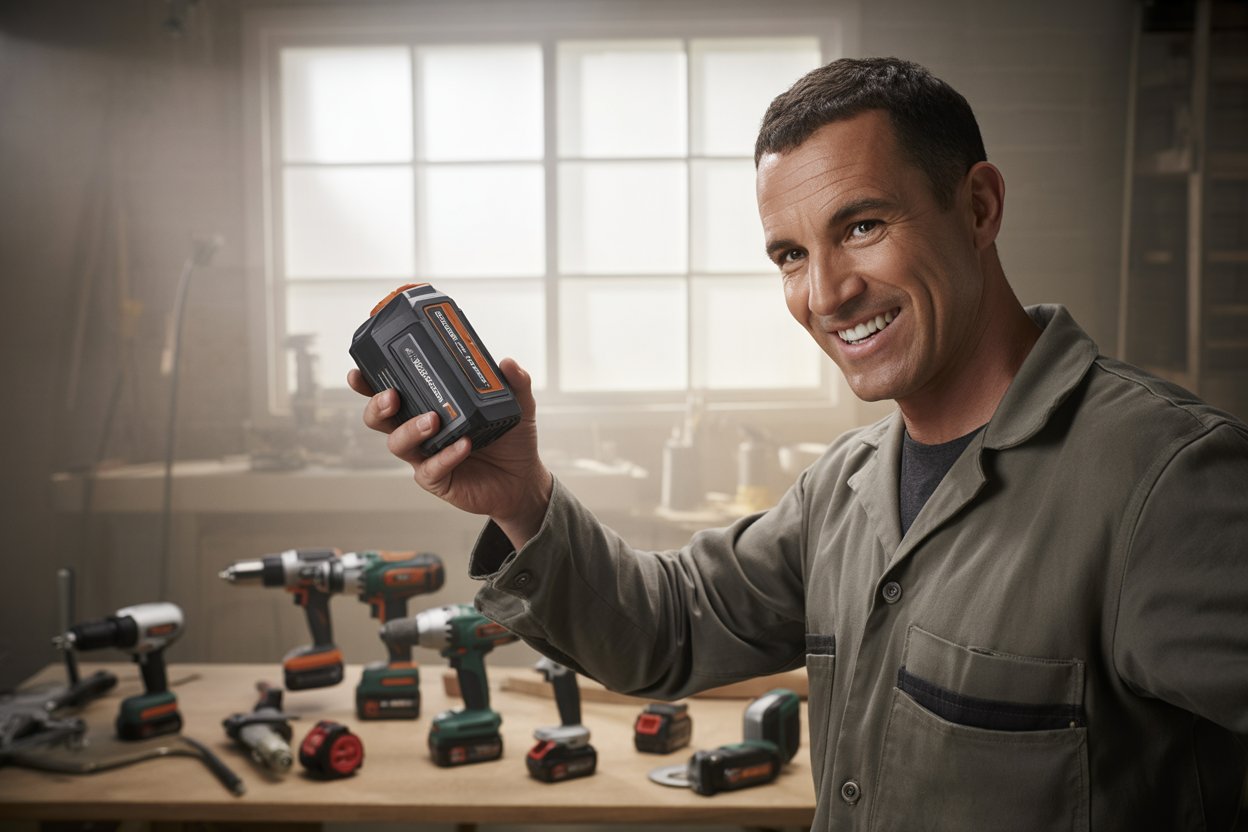
I often tell my clients: once you buy into a brand’s battery line, you’re not just buying tools—you’re investing in an ecosystem. It’s like choosing between Android or iOS; both have great apps, but switching later can be painful.
What’s Behind This Expansion?
Brands like YOUWE, DeWalt, and Bosch are extending battery platforms beyond workshops—to gardens, construction sites, and warehouses.
Their goal is simple: keep you powered by one battery family from sunrise to sunset.
| Brand | Ecosystem Coverage | Example Expansion |
|---|---|---|
| YOUWE | Power & Garden Tools | Pruning shears, grease guns, chainsaws |
| Bosch | Power Tools & Cleaning | Cordless vacuum, lighting tools |
| DeWalt | Construction & Outdoor | Lawnmowers, blowers, drills |
This connected approach not only boosts efficiency—it deepens customer loyalty. Once you own three tools from the same brand, you’re halfway to buying ten.
Cross-Brand Compatibility: Is a Universal Battery System Possible?
Here’s the dream many users have whispered to me: “Why can’t all brands just share one battery?”
Snippet paragraph...
A universal battery system would let users power any cordless tool, regardless of brand. However, technical standards, proprietary designs, and competitive interests make full cross-brand compatibility2 difficult to achieve today.
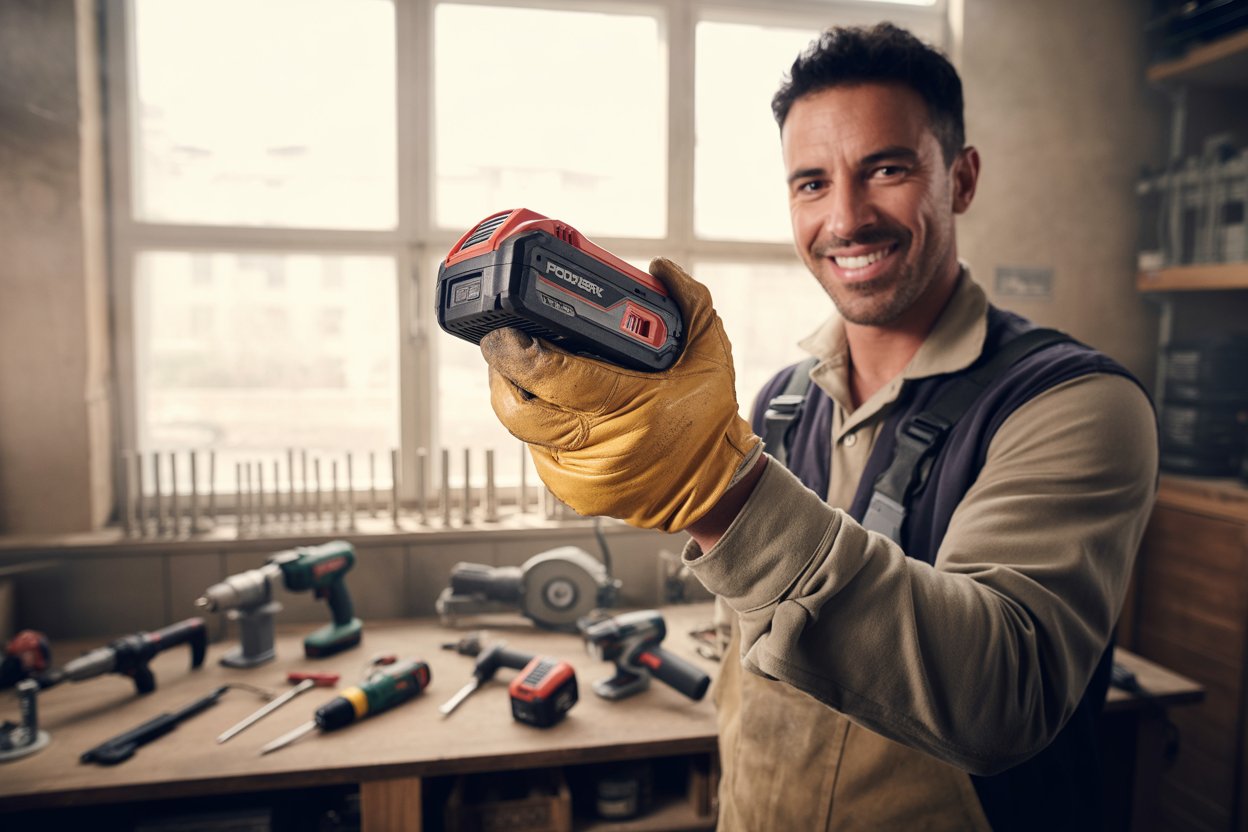
I totally understand the frustration. You look at your toolbox—five brands, five chargers.
But from a manufacturer’s point of view, it’s not that simple.
The Barriers
- Voltage differences – Not all brands use the same voltage standards.
- Connection interfaces – Each brand has unique terminals and shapes.
- Business protection – Compatibility means less brand lock-in, which some manufacturers resist.
That said, smaller companies and startups are already experimenting with adapter systems that bridge platforms.
I once tested an aftermarket adapter that let me use a Makita battery on a YOUWE drill. It worked—but it felt a little like mixing puzzle pieces that almost fit.
Could we see a fully open platform one day? Maybe. But it’ll take industry collaboration and safety regulation first.
Benefits for Users: Lower Costs, Less Waste, and Greater Flexibility
When batteries work together, everyone wins—users, retailers, and even the planet.
Snippet paragraph...
Interchangeable battery systems save users money, reduce e-waste, and simplify to