One Tool, Different Jobs: How Cordless Pruning Shears Fit Every Cutting Scenario?
I often talk with buyers who feel confused. They see many pruning tools. They worry about wrong power, wrong safety, or wasted cost. I faced the same doubts when I started product planning.
One cordless pruning shear can handle home, orchard, and professional work if the design, power, and safety level match the real cutting scene.
I started YOUWE Garden Tools with one simple goal. I wanted one tool platform to fit many real jobs. I learned this only after years of talking with gardeners, orchard owners, and European importers who needed one solution, not many problems.
Home Gardening: Precision and Control for Flowers, Shrubs, and Light Branches?
I often hear home users say they fear electric tools. They worry about losing control. They worry about safety. They still want clean cuts and less hand pain.
For home gardening, cordless pruning shears must focus on control, light weight, and safe cutting rather than raw power.
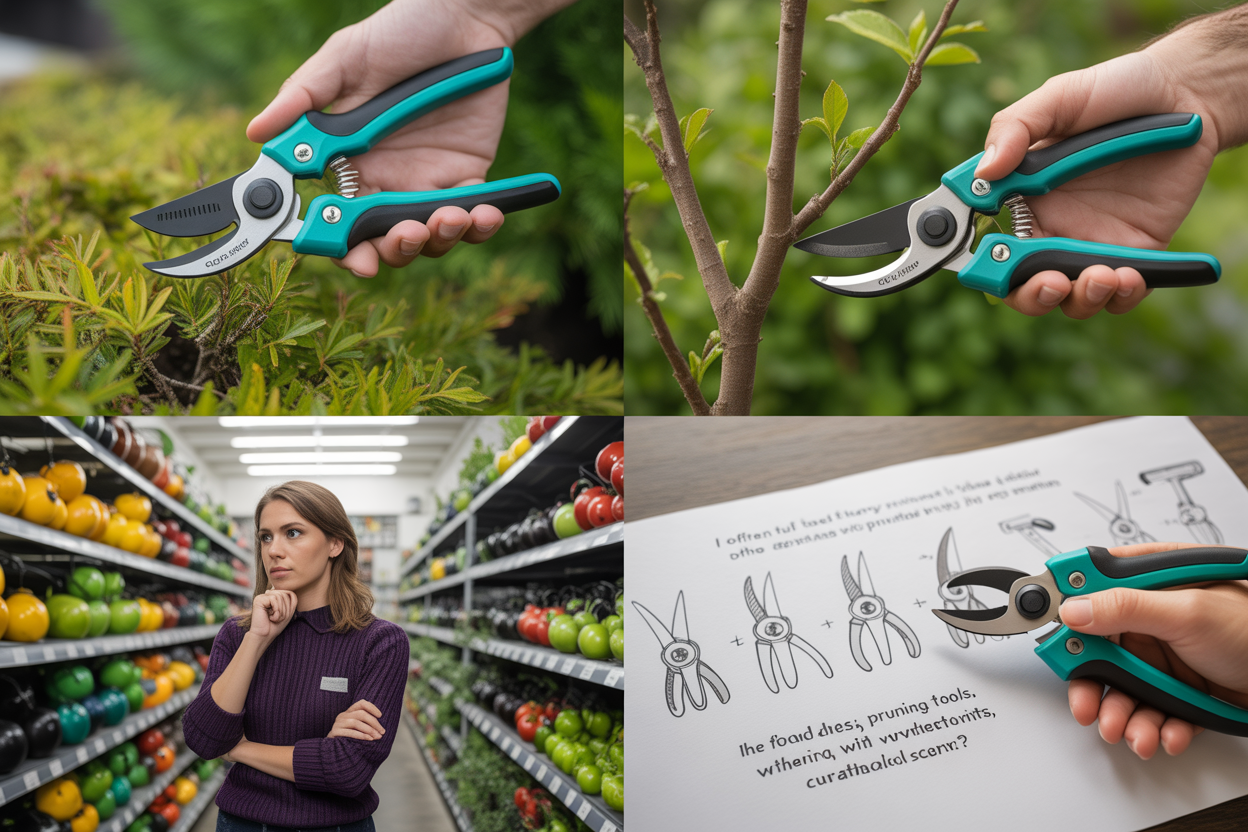
Why manual tools fail at home
I tested many manual shears in early product research. I saw users squeeze harder as hands get tired. I saw uneven cuts. I saw damaged flower stems. Manual tools look simple. They often cause more harm in daily use.
What home users really need
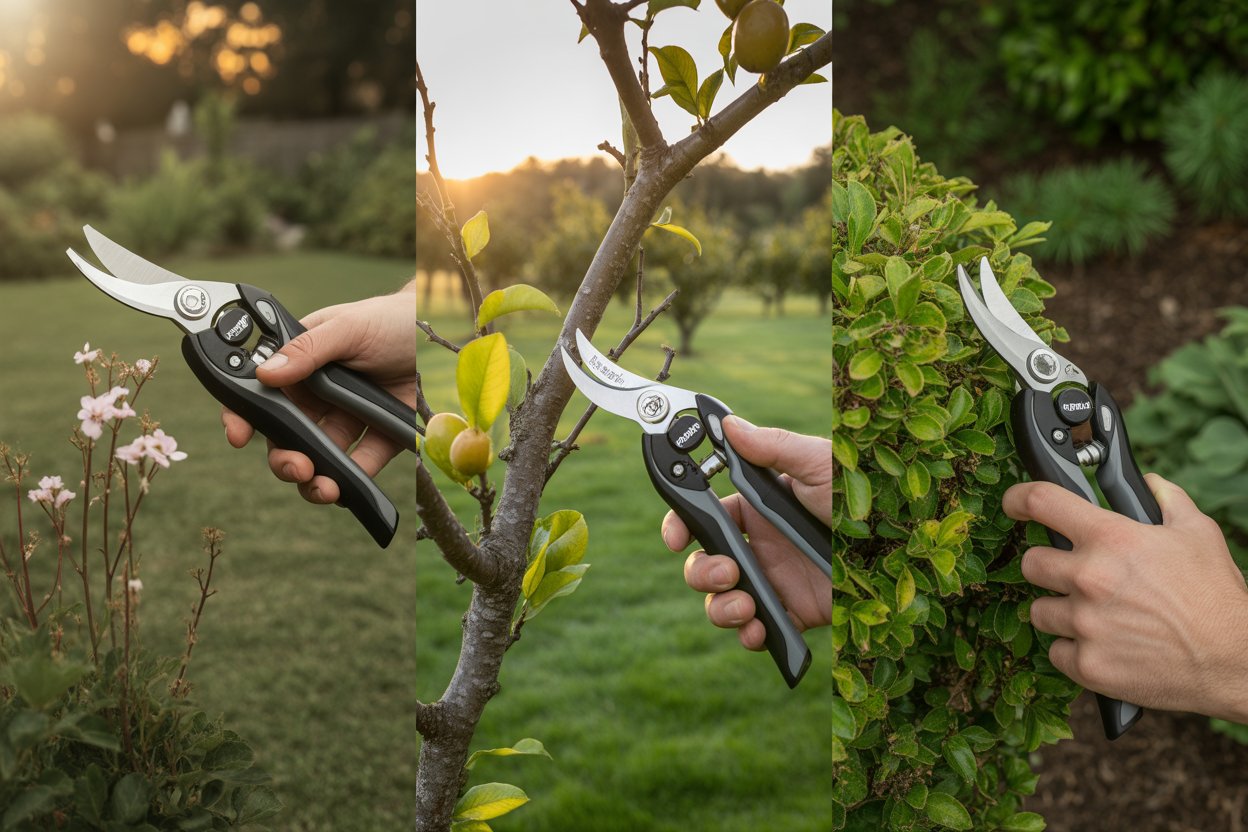
Home gardening usually means roses, small shrubs, and young branches. Cutting size often stays under 25 mm. Users need accuracy, not speed. I always design household models with lighter motors and softer trigger response.
Safety design for non professionals
Safety matters more than cutting speed at home. I insist on double trigger logic and auto sleep systems. These features reduce accidents when tools are left idle. European buyers ask about this often.
Battery choice for household use
I prefer 16.8V or entry level 21V systems for home models. These batteries stay light. Charging stays simple. Runtime stays enough for weekend use.
| Home Use Factor | Design Focus | Reason |
|---|---|---|
| Cutting size | Up to 25 mm | Flowers and shrubs |
| Tool weight | Light | Reduce hand fatigue |
| Battery | 16.8V to 21V | Easy handling |
| Safety | Auto lock, sleep | Non professional users |
| Noise | Low | Residential areas |
I remember one Italian buyer who told me his customers were mostly retired gardeners. He asked me to reduce tool weight by 100 grams. That feedback changed one full model line.
Orchard Work: Power and Endurance for High-Volume Fruit Tree Pruning?
Orchard owners talk about pain differently. They talk about hours, not minutes. They talk about thousands of cuts, not dozens.
Orchard pruning needs higher torque, longer runtime, and stable cutting performance for thick and repeated branches.
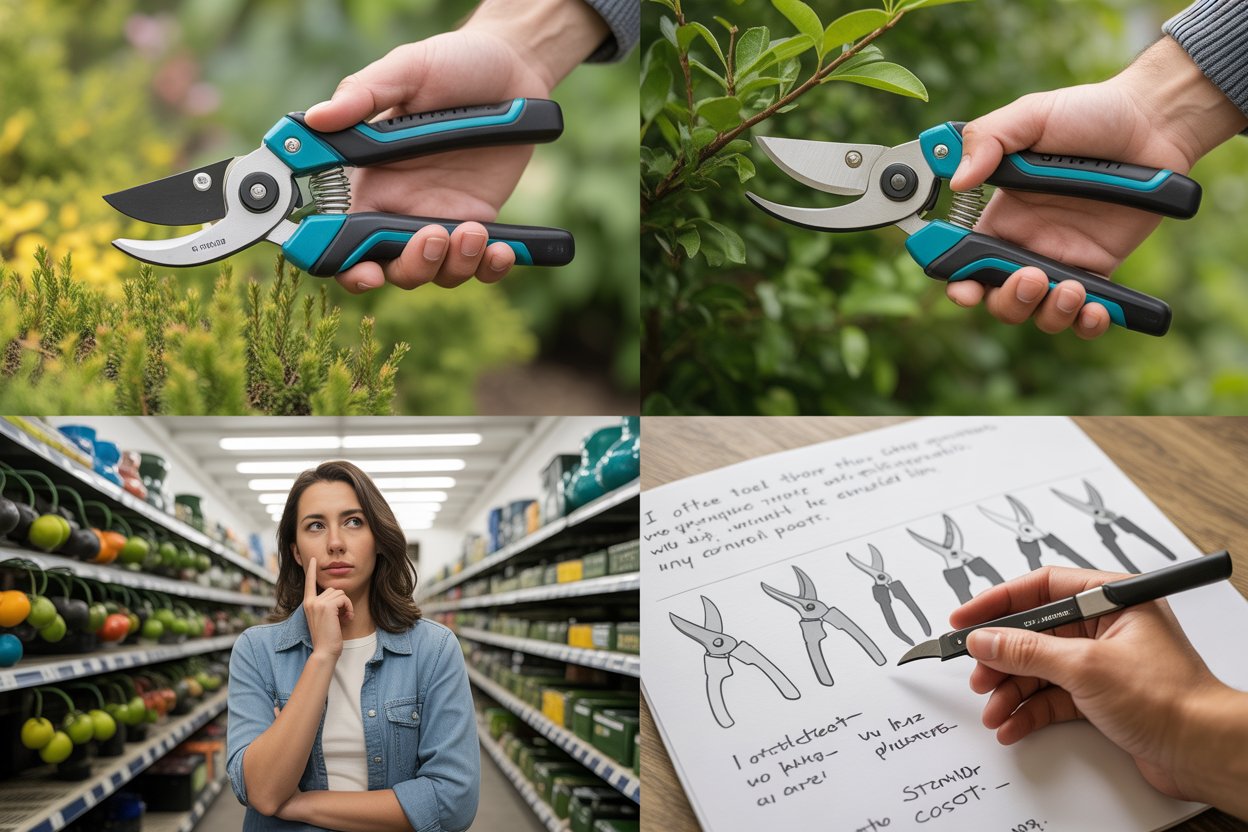
The real pressure in [orchard work](https://gregalder.com/yardposts/tools-for-pruning-fruit-trees/)[^1]
I visited fruit farms during pruning season. I saw workers cut for six to eight hours. Hand tools fail fast. Weak motors overheat. Downtime costs real money.
Blade strength and [motor power](https://hardell.com/blogs/applications/what-is-electric-pruning-shears?srsltid=AfmBOoqvXC9yEYZ0FKKFvBdRu3o5m7_qCiL4untITZK0QrY2uZSSCNvT)[^2]
Orchard branches reach 30 mm to 45 mm. I always pair these models with brushless motors. Torque stays stable. Blade speed stays consistent. Cuts stay clean.
Battery endurance and swapping logic
Orchard users prefer battery swapping. I design 21V and 25.2V systems with fast swap and shared chargers. Many European importers ask about battery rules and transport limits. I prepare compliance documents early.
Fatigue control for long hours
Grip shape matters more than people think. I adjust handle angles after user tests. This reduces wrist strain during long sessions.
| Orchard Factor | Requirement | YOUWE Solution |
|---|---|---|
| Cutting size | 30 to 45 mm | Hardened steel blades |
| Motor | High torque | Brushless motor |
| Runtime | All day work | Multi battery system |
| Safety | Blade stop | Fast response control |
| Certification | EU import | CE, EMC, RoHS |
A Spanish distributor once told me one broken blade during season can ruin trust. I now test blade life far beyond normal cycles.
Landscaping and Urban Green Maintenance: Efficiency for Daily Professional Use?
Professional landscapers care about rhythm. They care about speed, consistency, and safety in public spaces.
Urban green maintenance needs reliable tools that balance speed, safety, and low failure rate under daily use.
Daily use means daily stress
City workers use tools every day. Failure creates delays and complaints. I design these models for higher cycle life, not just cutting force.
Noise and public safety
Urban work happens near people. I focus on low noise motors and instant blade stop. This helps contractors win city bids in Germany and France.
Maintenance and service planning
Professionals ask about spare parts. I keep blade sets, triggers, and batteries standardized. This lowers service cost for distributors.
Tool platform strategy
Many landscapers want one battery for many tools. I design pruning shears to fit the same 21V or 40V platform used in hedge trimmers and blowers.
| Professional Factor | Priority | Design Result |
|---|---|---|
| Daily cycles | Very high | Reinforced gear system |
| Safety | Public areas | Fast blade stop |
| Noise | City rules | Low noise motor |
| Battery | Platform use | Shared 21V or 40V |
| Service | Long term | Standard spare parts |
A German buyer once rejected a tool only because spare parts delivery took too long. That lesson stayed with me.
Professional vs. Household Use: Balancing Power, Safety, and Comfort?
Many buyers ask me if one model fits all users. My answer stays honest.
The same tool concept can fit different users, but power, safety, and comfort must be balanced based on who uses it and how long.
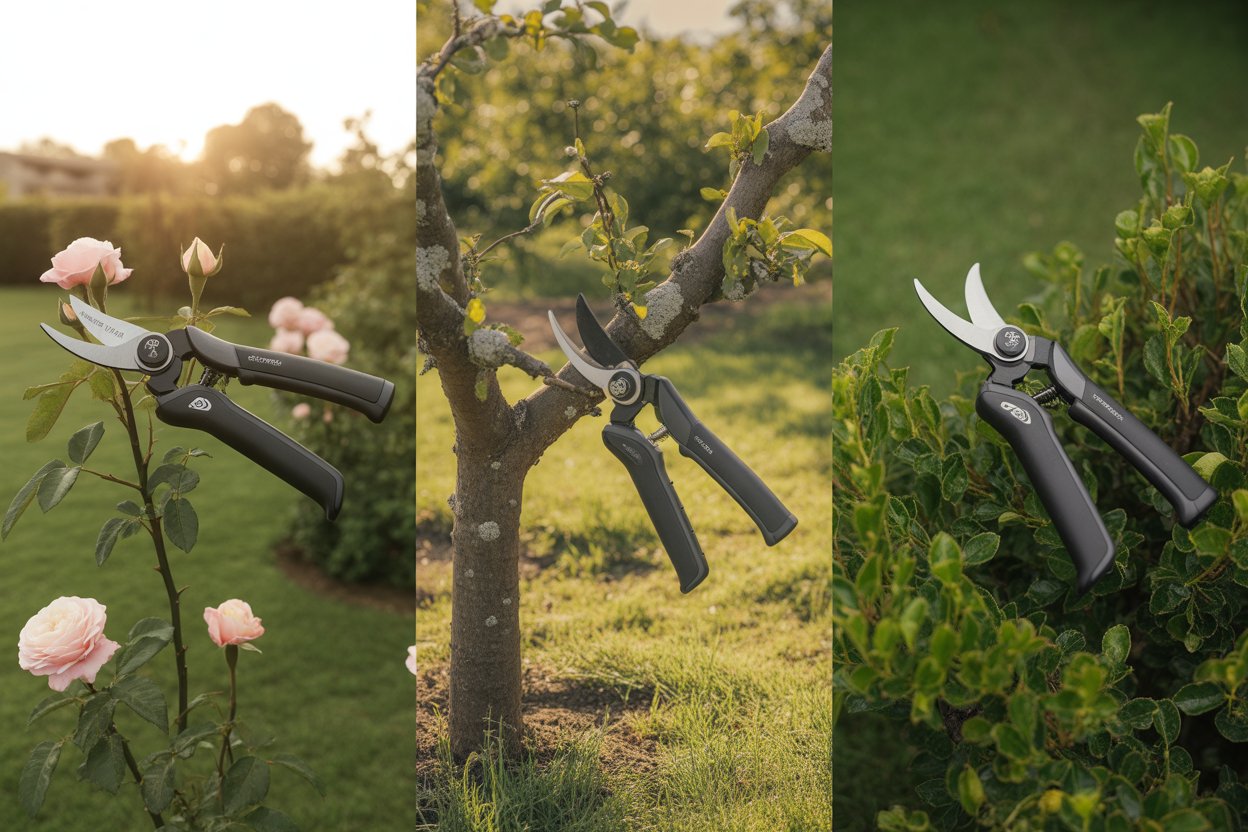
Power is not always better
Higher power increases risk. Home users need control. Professionals need output. I adjust motor curves, not just voltage numbers.
Safety logic changes by [user type](https://interjectedfuture.com/types-as-a-design-tool/)[^3]
Household tools focus on lock systems. Professional tools focus on fast response. I never mix these by mistake.
Comfort defines long term value
Grip shape, trigger feel, and balance decide repeat orders. I learned this after many failed samples.
How I guide [OEM buyers](https://www.gardendesign.com/how-to/tools.html)[^4]
I ask buyers about real users, not market slogans. Italy, Spain, and Germany all show different habits. OEM and ODM work must respect this.
| User Type | Power Level | Safety Focus | Comfort Need |
|---|---|---|---|
| Home user | Low to medium | Lock and sleep | Light weight |
| Orchard worker | High | Blade stop | Endurance grip |
| Landscaper | Medium to high | Public safety | Balance |
| Retail buyer | Mixed | Compliance | Versatility |
I always remind buyers that wrong positioning causes returns. Right balance builds brand trust.
Conclusion
I designed cordless pruning shears1 by watching real users, not by guessing. One tool can fit many jobs if the design respects real work, real rules, and real people. If you plan an OEM or ODM project, I welcome an honest talk about your market and users.
-
Explore the advantages of cordless pruning shears for efficient and safe gardening. ↩