Sustainability & Eco-Friendly Innovations in Cordless Power Tools
We all love tools that make work easier—but what if they could also help the planet breathe a little easier? As someone who’s been in the cordless tool industry for years, I’ve seen how sustainability isn’t just a trend—it’s becoming the new standard.
Sustainable cordless power tools combine efficient performance with eco-conscious materials, production, and battery technology. By reducing emissions and promoting recyclability, manufacturers are reshaping the future of professional-grade tools without compromising power.
The shift toward sustainability is real. From factories switching to renewable energy to lithium batteries being reborn for a “second life,” we’re entering a cleaner, smarter, and more responsible era in manufacturing. Let’s dive into how these changes are redefining our industry.
Sustainable Manufacturing: Reducing Carbon Footprints in Production
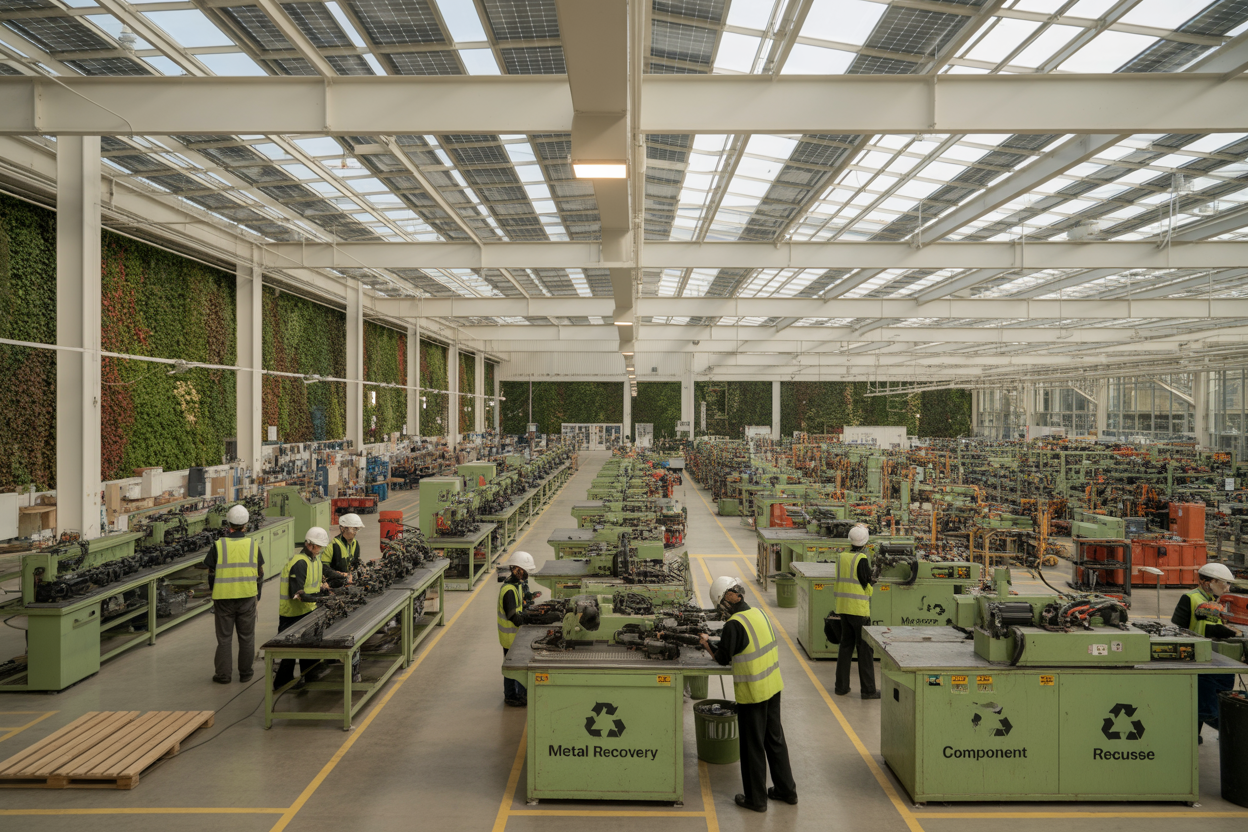
Modern tool factories are rethinking their entire process—from material sourcing to assembly lines—to cut down on carbon emissions and waste.
Sustainable manufacturing in power tools focuses on reducing energy consumption, optimizing production efficiency, and using renewable energy sources. These efforts lower the carbon footprint while maintaining consistent tool quality and output.
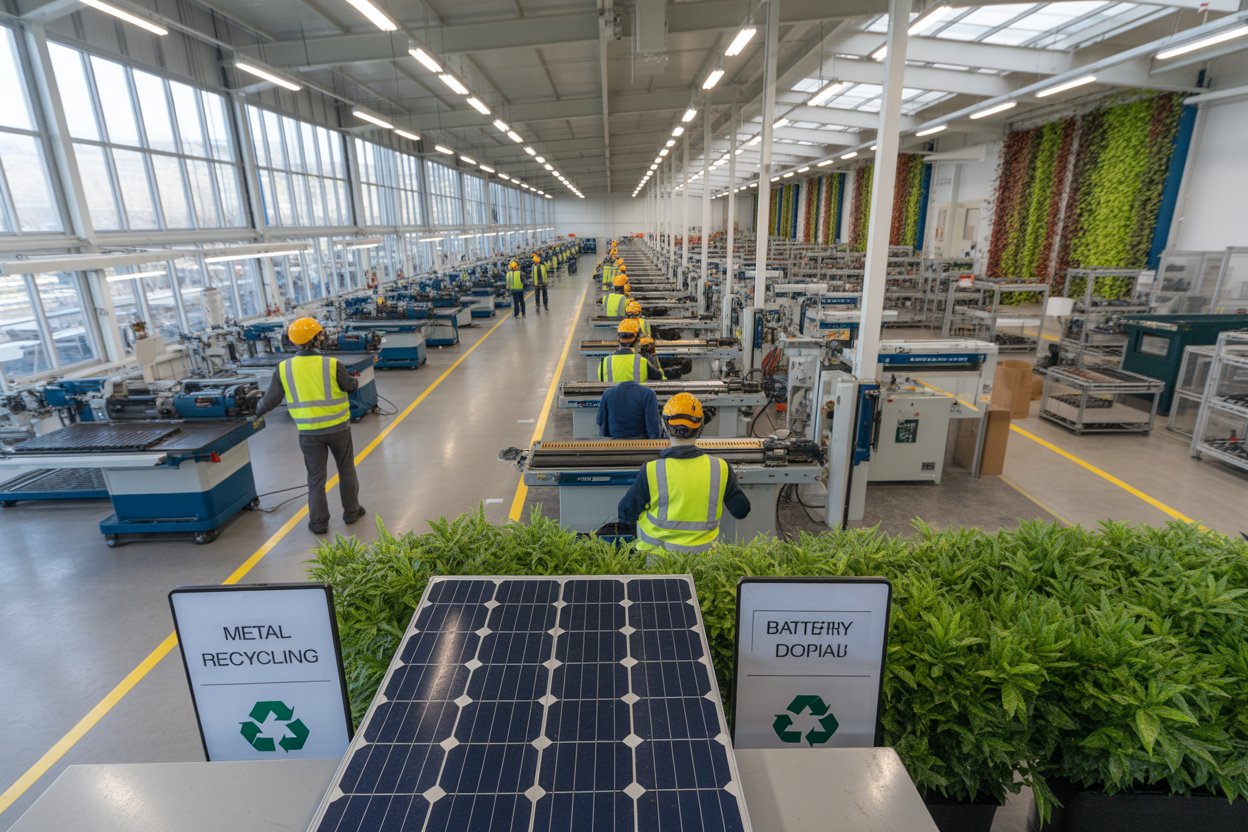
I’ve visited several plants where solar panels now power the assembly lines, and waste heat is recycled to run other operations. It’s impressive—and necessary.
How Manufacturers Achieve It
| Strategy | Impact |
|---|---|
| Renewable Energy Integration1 | Reduces dependence on fossil fuels |
| Smart Automation | Minimizes waste and energy use |
| Localized Supply Chains | Cuts transportation emissions |
When I first walked into our own factory after we switched to partial solar energy, the air felt cleaner—literally and figuratively. It wasn’t just about saving costs; it was about doing something right. And believe me, customers notice. Many overseas partners now ask for our carbon data before even placing an order.
Recyclable Materials and Eco-Conscious Design
Designing a cordless drill used to be all about torque and runtime. Now, it’s also about recyclability and minimal waste.
Eco-conscious tool design uses recyclable plastics, aluminum housings, and modular components to extend product life and reduce landfill waste. Each design choice aims to balance durability with environmental responsibility.
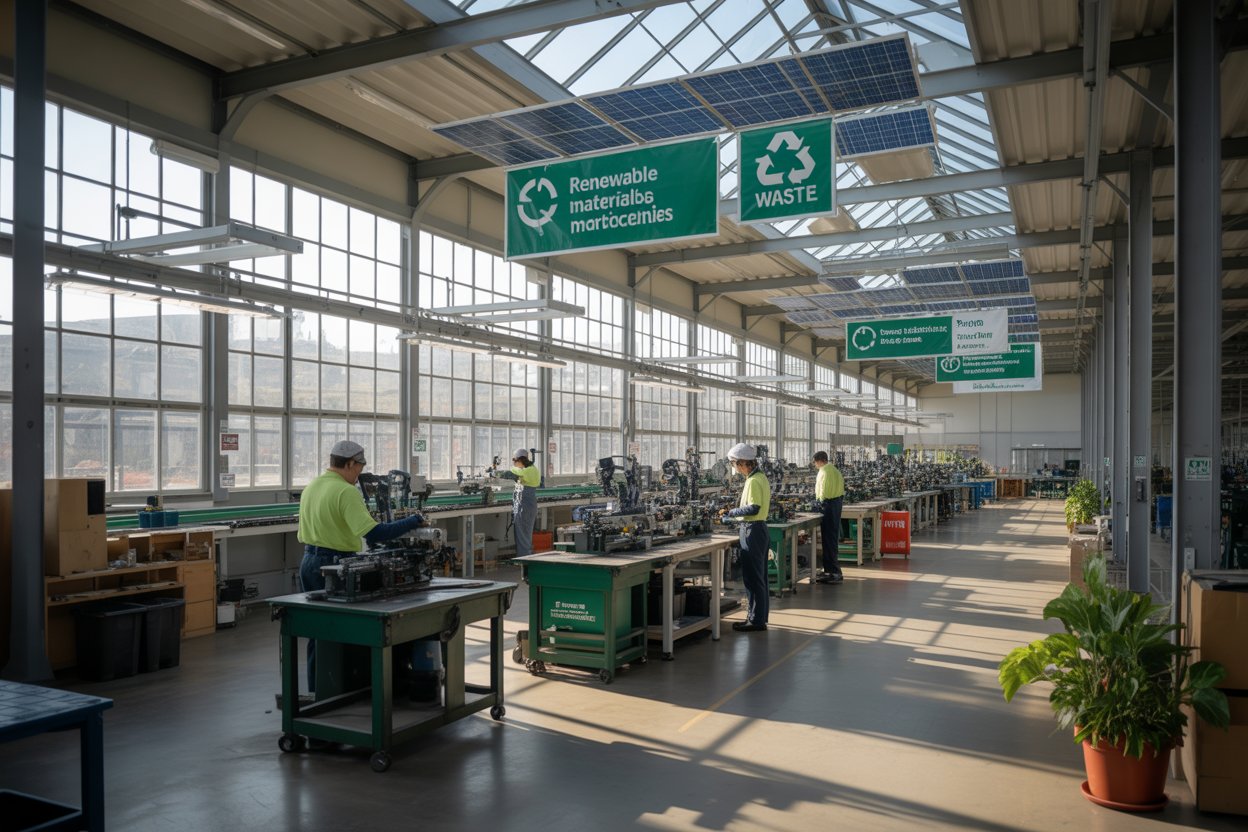
In one of our models, we switched from virgin plastic to a blend made from 30% recycled material. No compromise in strength—but a big step forward in reducing new plastic demand.
Design Choices That Matter
- Modular components2 – easier repairs mean fewer discarded tools.
- Recycled materials3 – lowers raw material extraction.
- Compact packaging – less plastic and cardboard waste.
It might sound small, but these design tweaks add up. Imagine millions of tools built this way—it’s not just sustainable, it’s smart business. Consumers care, and so should we.
Battery Recycling and Second-Life Applications
Now, this is where things get fascinating. Batteries are the heart of cordless tools—and also the biggest environmental challenge.
Battery recycling involves recovering lithium, nickel, and cobalt from used cells to create new ones. Second-life applications repurpose partially depleted batteries for energy storage, extending their usable lifespan before disposal.
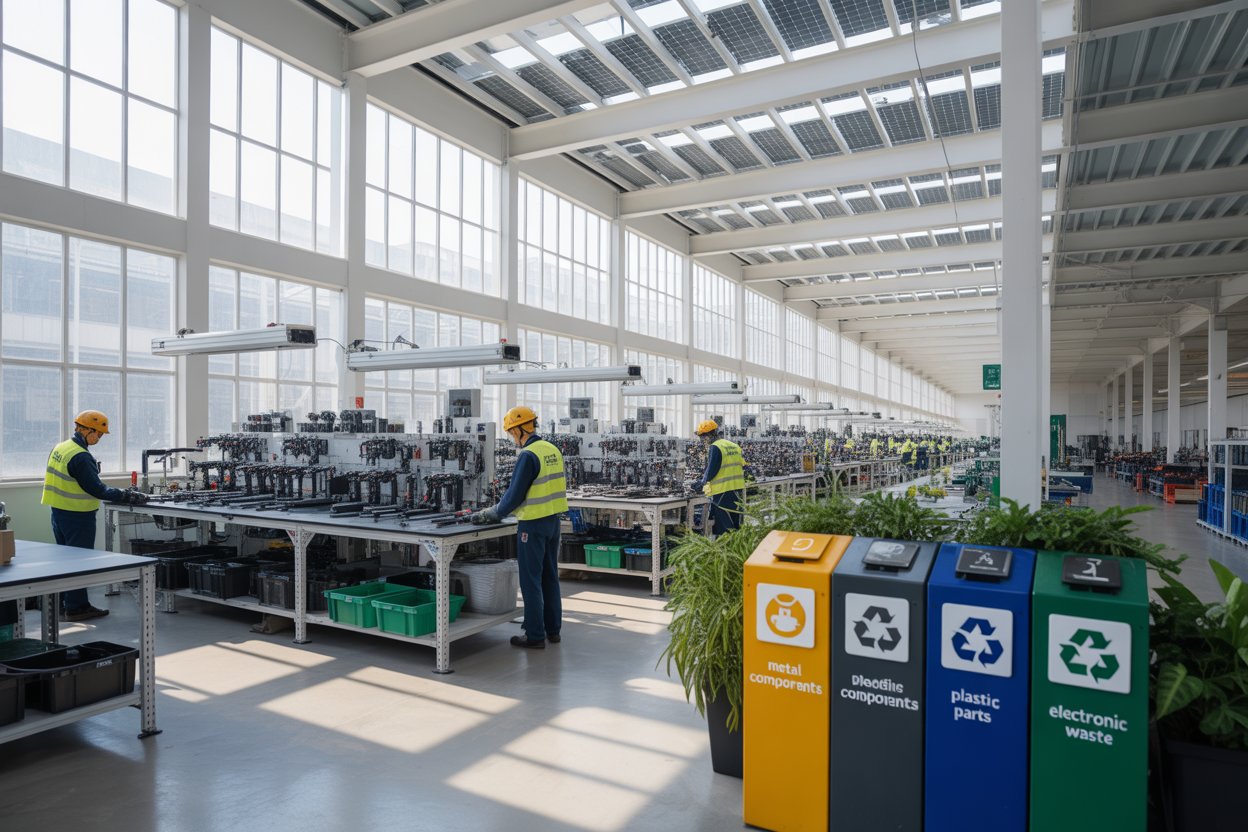
I still remember the first time a client asked if we offered “second-life” battery packs. At the time, I hadn’t even heard the term. Now, it’s becoming a game-changer.
Recycling and reuse aren’t just about compliance; they open up new business models. Some companies are even turning spent drill batteries into small power banks or solar backup systems—pretty amazing, right?
Example of Battery Lifecycle
| Stage | Description |
|---|---|
| 1st Life | Used in cordless power tools |
| 2nd Life | Repurposed for energy storage or light-duty devices |
| End of Life | Recycled to extract raw materials |
As technology evolves, the dream of a closed-loop battery system is getting closer every year. It’s not just sustainable—it’s revolutionary for cost savings too.
The Future of Green Power Tools: Balancing Performance and Sustainability
This is the big question I get all the time: can eco-friendly tools perform as well as traditional ones?
Future green power tools will combine high energy efficiency, advanced brushless motors, and recyclable batteries to match traditional performance while lowering environmental impact. Sustainable innovation no longer means compromising on power.
We’re already testing brushless motors that consume up to 30% less energy and designing chargers that automatically cut off once the battery is full—simple, but effective.
What’s Next?
- AI-driven efficiency – optimizing torque and speed.
- Bio-based materials – reducing dependency on petroleum plastics.
- Smart recycling logistics – integrating take-back systems at retail level.
When I talk to our R&D team, I can feel the excitement. The goal is clear: tools that empower professionals and protect the environment. And I believe we’re closer than we think.
Conclusion
Sustainability in cordless tools isn’t just a marketing phrase—it’s a movement. From greener factories to smarter batteries, we’re building a cleaner, more responsible future—one drill, one wrench, one idea at a time.
Brand: YOUWE
Slogan: Power Tools Manufacturer
Website: www.professionalwrench.com
-
Discover how integrating renewable energy can transform manufacturing processes and reduce fossil fuel reliance. ↩
-
Learn how modular components can enhance tool longevity and reduce waste through easier repairs. ↩
-
Discover the benefits of using recycled materials in manufacturing and its positive environmental effects. ↩