Sustainability Trends in Power Tool Manufacturing
Sustainability isn't just a buzzword anymore—it’s a major force reshaping how we design, build, and ship power tools. From material sourcing to recycling programs, the shift toward greener production is now defining the future of the power tool industry.
Sustainable power tool manufacturing means reducing waste, improving energy efficiency, and using recyclable materials across the entire supply chain. It combines advanced battery technology, smart logistics, and eco-friendly materials1 to minimize the industry’s carbon footprint.
As a product manager at YOUWE Garden Tools, I’ve seen firsthand how this change isn’t about marketing—it’s about responsibility. Customers want performance and ethics in the same package. And that’s where innovation truly matters.
How Are Manufacturers Making Power Tools More Sustainable?
Tool makers worldwide are rethinking how their products are built—from design to disposal.
Manufacturers are adopting eco-friendly materials, energy-efficient production, and modular designs that extend tool lifespan. This includes using recyclable plastics, brushless motors for energy savings, and batteries compatible across multiple tools to reduce waste.
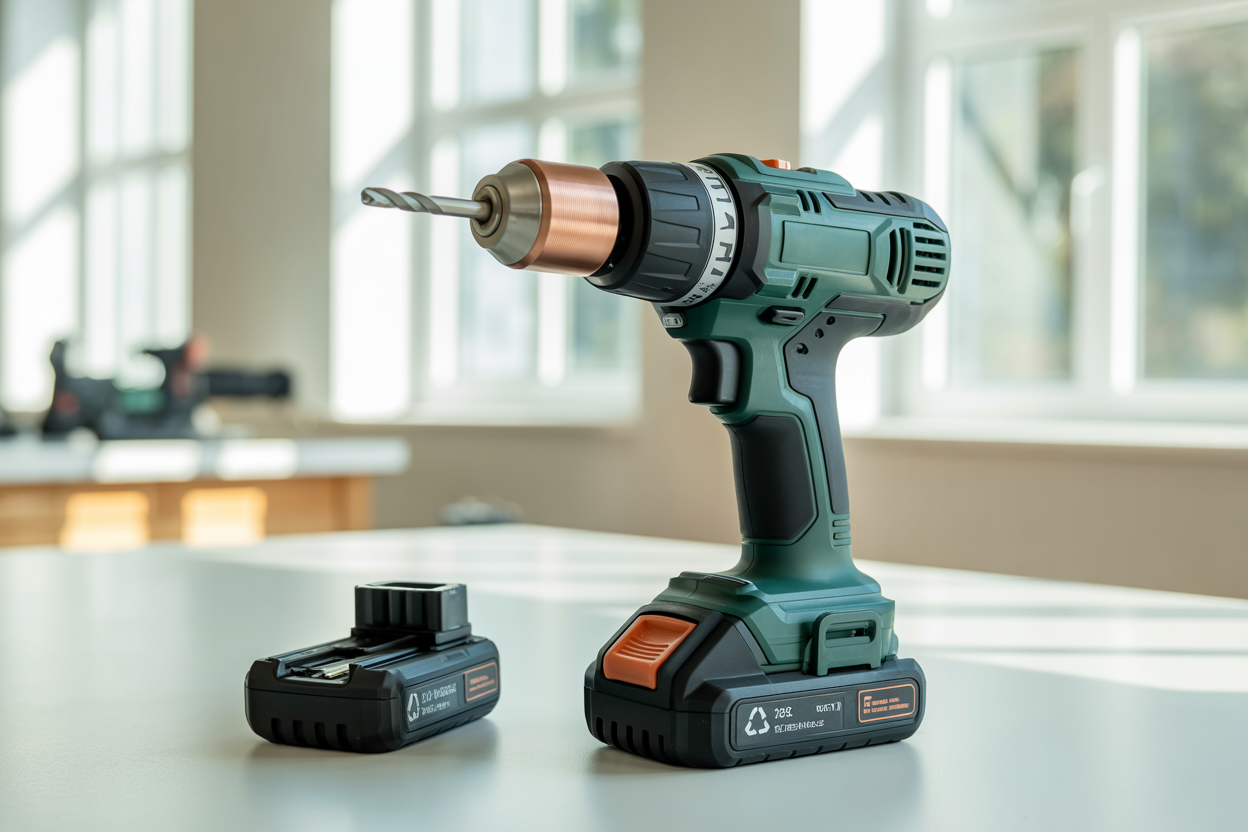
Going Beyond Plastic: Material Innovations
In the past, tool housings relied heavily on virgin plastic and metals. Now, many manufacturers, including us at YOUWE, are integrating recycled polymers and biobased materials that meet performance standards while lowering environmental impact.
| Material Type | Sustainability Advantage |
|---|---|
| Recycled ABS & Nylon | Reduces plastic waste, lowers emissions |
| Biocomposite Fibers | Renewable source, strong yet lightweight |
| Recycled Aluminum | High strength, energy-efficient to process |
These materials not only support circular economy models2 but also build trust with environmentally conscious buyers—especially in Europe and Japan, where eco-compliance is a key purchasing factor.
What Role Does Battery Innovation Play in Sustainability?
Batteries are the heart of cordless tools—and the biggest sustainability challenge.
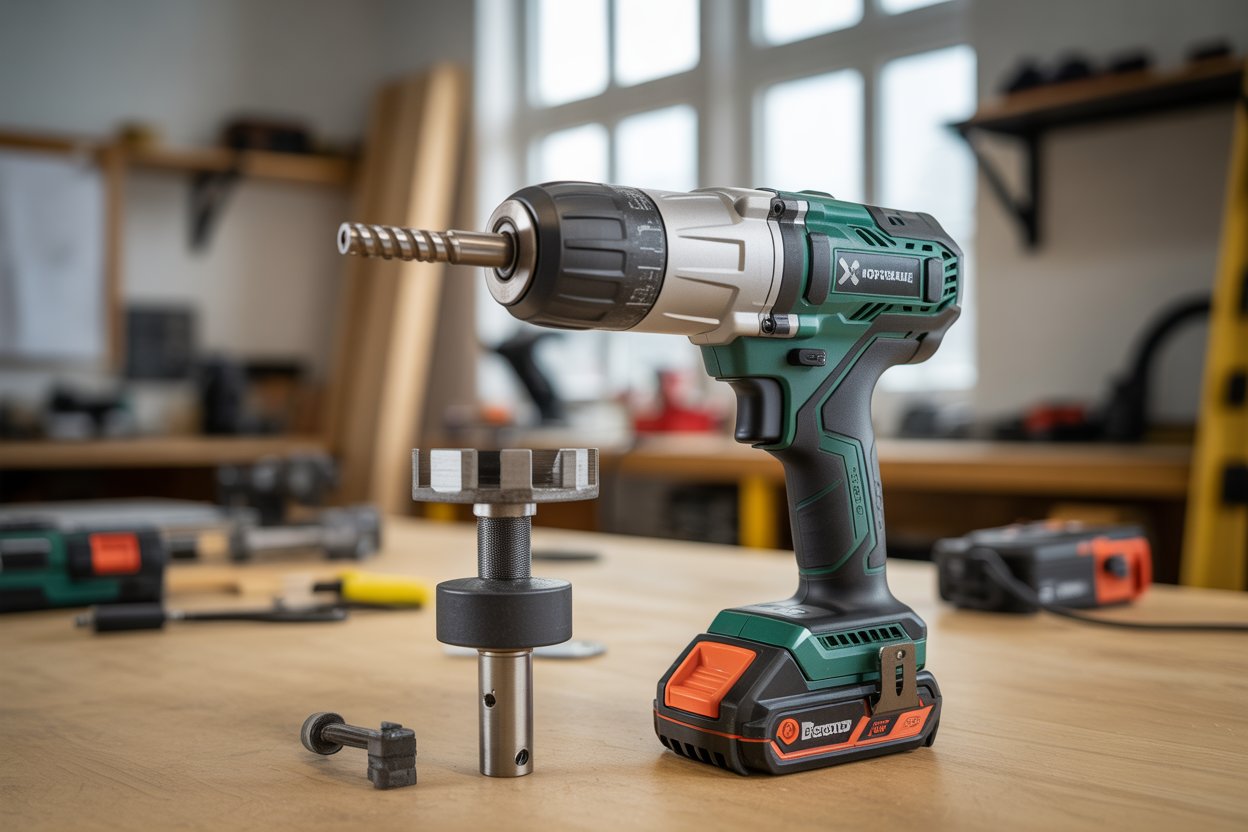
Modern lithium battery platforms reduce e-waste through shared compatibility, extended life cycles, and recycling partnerships. The focus is shifting from one-time use to modular systems where the same battery works across multiple tools.
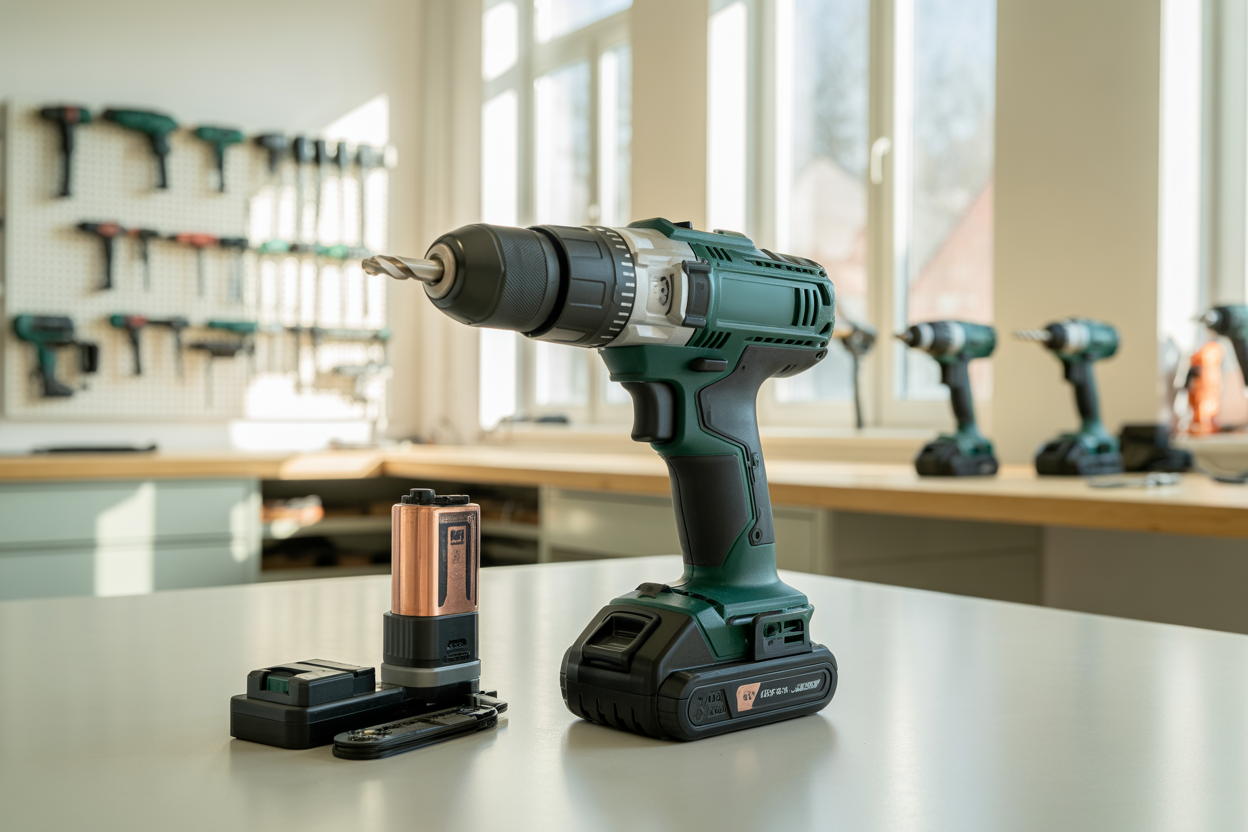
At YOUWE, we’ve developed 21V and 40V battery systems that fit dozens of models—from chainsaws to drills. This not only cuts production waste but also makes life easier for users and distributors managing spare parts.
Why Compatibility Matters
Think about it—if every cordless tool used a different battery, the amount of electronic waste would be enormous. Shared battery platforms help buyers reduce costs, simplify logistics, and support sustainability goals without compromising power.
How Are Supply Chains Becoming Greener?
Supply chains are the backbone of every manufacturing process. But sustainability here means more than just “using less plastic.”
Eco-friendly supply chains involve shorter transport routes, efficient packaging, and cleaner energy sources in factories. It’s about reducing emissions while maintaining reliability and cost-efficiency.
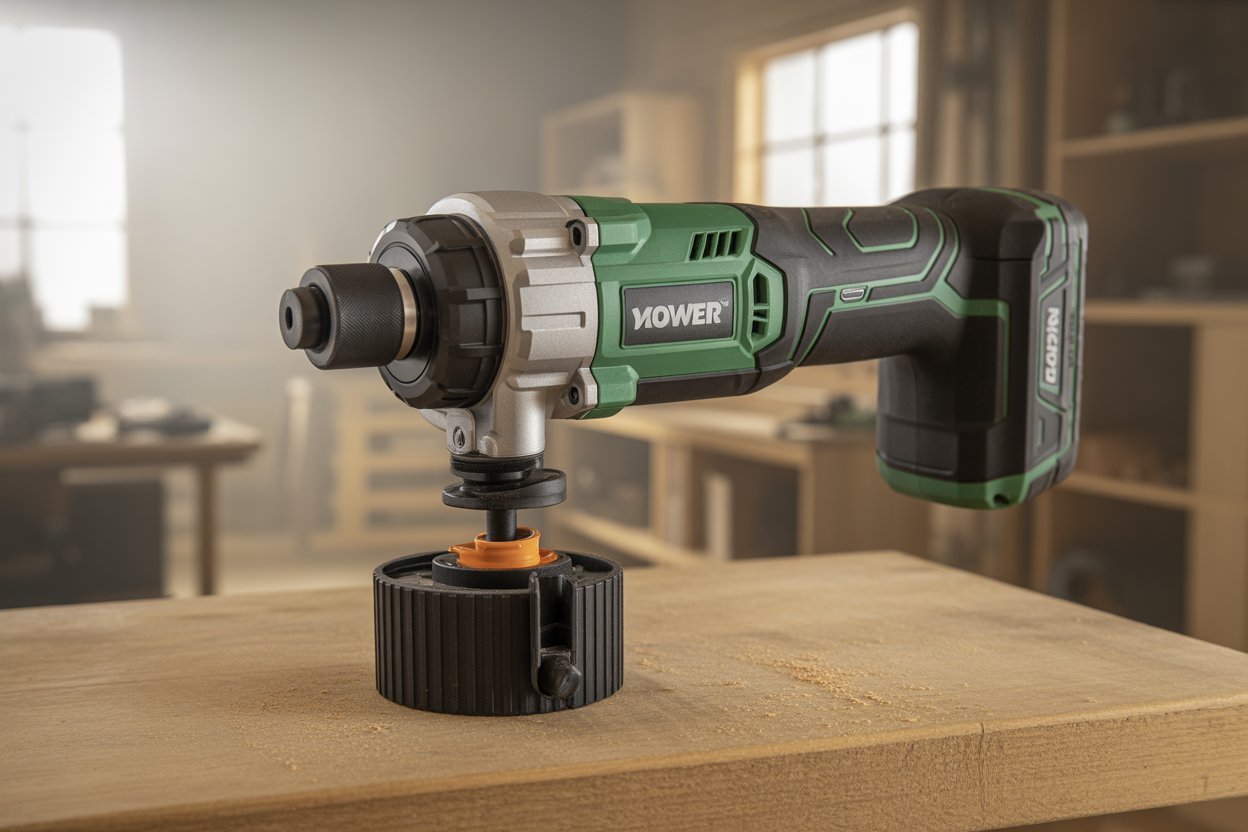
At YOUWE, we’ve optimized our logistics by:
- Using recyclable packaging with minimal ink and coating
- Consolidating shipments to reduce CO₂ emissions per product
- Implementing solar energy in our production line
In fact, our European shipments via truck freight (door-to-door delivery) reduce unnecessary warehousing and fuel waste compared to traditional multi-port routes.
What Are the Challenges and Future Directions?
While progress is steady, the road to fully sustainable manufacturing still has bumps.
Challenges include high costs of green materials, battery recycling limitations, and balancing durability with eco-standards. But innovation continues to push boundaries, especially in energy recovery and circular design.
Manufacturers are experimenting with modular components, making it easier to repair rather than replace tools. Some brands are even launching take-back programs—where used tools are disassembled and recycled into new products.
In the future, sustainability won’t be just a selling point. It will be the foundation of every power tool brand’s credibility. And the factories that adapt early will lead the next decade of manufacturing.
Conclusion
Sustainability in power tool manufacturing is no longer optional—it’s the new standard. From battery innovation3 to green supply chains, the shift toward eco-conscious production is shaping the next generation of cordless tools. At YOUWE, we’re proud to be part of that movement—building a cleaner, smarter future one tool at a time.
-
Learn about the various eco-friendly materials that can reduce environmental impact in manufacturing. ↩
-
Explore the significance of circular economy models in promoting sustainable manufacturing practices. ↩
-
Understand how advancements in battery technology are crucial for sustainable power tools. ↩