Why Safety Concerns Around Cordless Electric Pruning Shears Matter?
I see many buyers worry about the speed and power of cordless pruning shears. I understand this fear because I test these tools in my own factory every week. I also see how small mistakes can turn into real risks.
Cordless pruning shears matter because they use high-torque motors and sharp blades that can cause injuries when users do not follow safe steps. Good safety design and good habits lower these risks.
Many buyers from Italy, Spain, and Germany ask me the same question each year. They want strong cutting power1. They also want safety. I hear this from retailers, importers, and OEM brands. This article explains the real risks and what I do at YOUWE Garden Tools to control them.
The Hidden Risks Behind High Cutting Power?
I hear many users say they love fast cutting speed. I also know strong power can hide real risks that people ignore when they work for long hours.
High cutting power increases safety risks when users lose focus, place hands too close, or use the tool on unstable branches.
Why high power creates false confidence
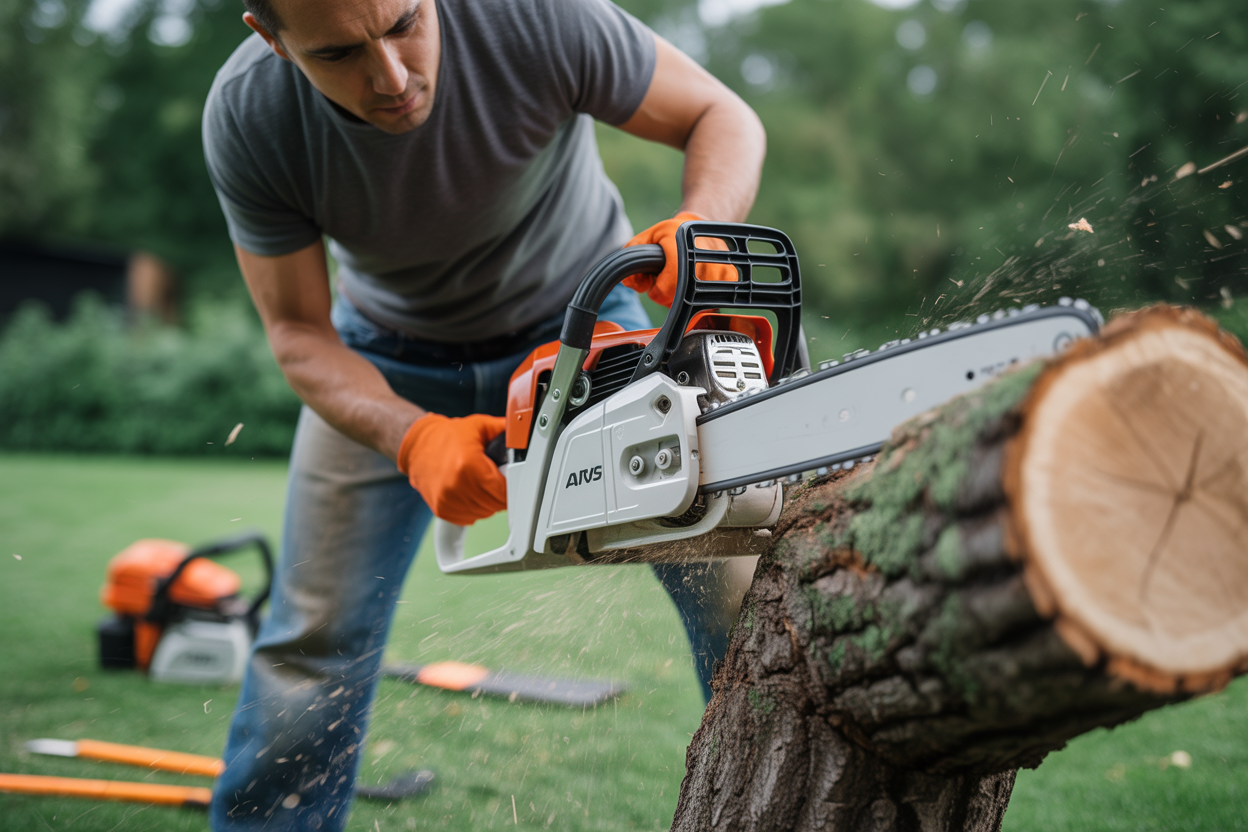
I see many first-time users feel safe because the tool is small. They think small size means low danger. The opposite is true. A strong brushless motor gives fast blade response. This makes the user believe the tool is easy to control. I have watched buyers from Europe test samples in our workshop. They react with surprise when they feel the force of the blade. This moment of surprise is one key risk.
How motor torque affects safety
A pruning shear with high torque cuts hard branches fast. But torque also means more force on the blade. When the user moves their finger or hand near the cutting zone, the motor does not slow down like manual tools. This is why safety switches and blade guards matter. I always remind customers that strong torque must match safe design.
Risk factors buyers often ignore
Many importers focus on voltage, battery life, or cutting diameter. They forget the risk factors that matter for safety rules in Europe. These include blade gap2, trigger sensitivity3, and motor brake timing4. When I design tools with our engineers, we test brake response frame by frame. A short delay can cause a cut.
| Risk Factor | What It Means | What I See in Real Use |
|---|---|---|
| High torque | Stronger cut | Faster reaction needed |
| Short trigger travel | Quick activation | More mis-press cases |
| Wide blade gap2 | Larger capacity | More hand entry space |
| Slow brake time | Delayed stop | Higher injury chance |
These are the risks that matter for Europe certification reviews. Importers should check them before mass ordering.
Common Injury Scenarios and How They Happen?
I often hear similar stories from distributors. The injuries do not come from very rare situations. They come from normal daily habits.
Most pruning shear injuries happen when users work fast, hold branches with the same hand, or forget the trigger response time.
The “support hand” mistake
Many users hold the branch with the free hand. This is natural. I see this even when I show safe steps. When the tool cuts fast, the blade can close before the user reacts. This risk grows when branches are thin, wet, or moving in the wind.
Fatigue during long work
Users in orchards and vineyards often work for hours. After long sessions, their hands get tired. Their reaction slows down. This small delay increases accident risk. I learned this from professional users in Italy and Spain. They shared stories of small slips during the last hour of the day.
Unexpected blade activation
Most cordless shears use a dual-trigger or wake-up mode. Many users forget the tool “wakes up” again after a short press. This leads to accidental blade closure. This is also why CE and EMC rules require clear trigger structure.
| Scenario | Why It Happens | How It Injures |
|---|---|---|
| Holding branch too close | No distance habit | Blade closes on finger |
| Working while tired | Slow reaction | Mis-press or slip |
| Wet gloves | Poor grip | Wrong trigger movement |
| Tool wakes from sleep | User forgets | Sudden blade movement |
These scenarios are simple. But these simple things create most accidents.
Essential Safety Practices for Everyday and Professional Users?
I always tell buyers that safe use is not only about product design. It is also about user habits5. Even the best tool needs good steps.
Safe use comes from simple steps like hand distance, proper grip, stable posture, and routine checks of blades, triggers, and batteries.
Why distance matters most
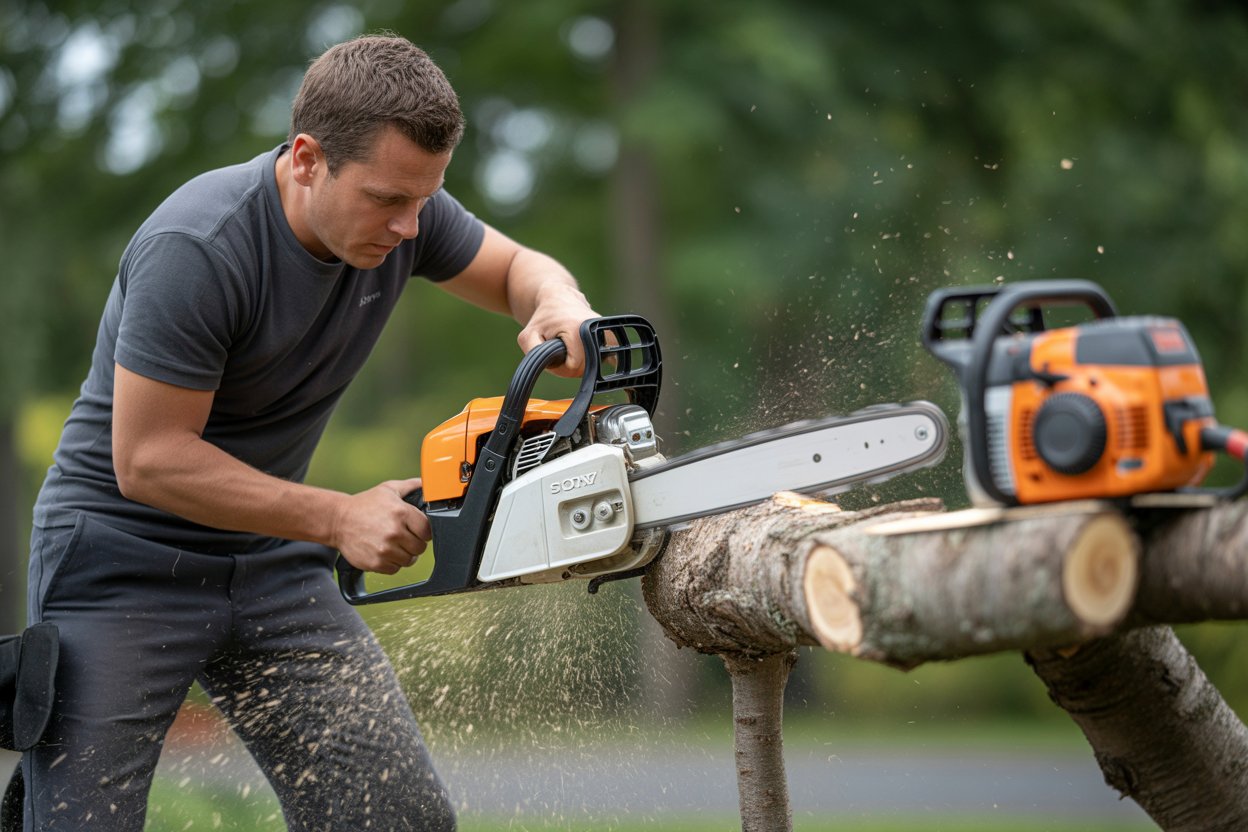
I tell every user to keep a clear distance between the support hand and the cutting zone. This is the most basic rule. It sounds simple. But I see many users break it when they rush. Good safety comes from a clear habit that never changes.
Protective gloves and stable stance
Gloves with grip texture help control the tool. Many new users in Europe use thin gloves. These gloves slip when branches are wet. Stable stance also reduces hand movement during cutting. I learned this from a vineyard owner in France who trains new workers.
Routine tool checks before work
I always advise importers to include this in their manuals. Users should check battery lock, blade screws, lubrication, and trigger movement before use. A loose screw can cause small blade misalignment. This increases the chance that the blade pulls instead of cuts.
| Practice | Why It Matters | What It Prevents |
|---|---|---|
| Hand distance | Avoid finger entry | Direct injuries |
| Grip gloves | Strong control | Tool slip |
| Blade check | Smooth cut | Pulling or dragging |
| Battery lock check | Stable power | Sudden stops |
These habits help both DIY users and professional orchard workers.
How Ergonomic Design and Protective Features Reduce Accidents?
I spend a lot of time on design because design changes safety. Shape, trigger feel, and grip angle all change how safe a user feels after long hours.
Good ergonomic design lowers accidents by improving grip, reducing hand fatigue, and adding protective features like double-trigger locks and motor brake.
Grip design that guides safe hand position
A stable grip makes the user hold the tool farther from the blade. Our design team tests grip angles with users from Europe to match local hand sizes. I learned that small changes in angle reduce fatigue. When fatigue is low, mistakes are fewer.
Trigger force that prevents mis-press
Trigger force must be balanced. It must be light enough for long work but heavy enough to avoid accidental press. I test this many times with gloves because most European users work with gloves.
Safety lock, blade guard, and brake system
A good safety lock prevents children or untrained users from pressing the trigger. A blade guard offers a visual and physical barrier. A fast motor brake stops the blade fast when the trigger is released. These features meet CE safety rules6 and build trust with importers.
| Feature | How It Helps | Benefit for Europe Buyers |
|---|---|---|
| Ergonomic grip | Lower fatigue | Better long-hour control |
| Balanced trigger force | Fewer mis-press cases | Safer for DIY buyers |
| Safety lock | Control access | Retail compliance |
| Fast brake | Quick stop | Lower injury risk |
These design choices are not marketing points. They shape real safety.
Conclusion
Safety in cordless pruning shears is not only about power or speed. It is about design, habits, and real use. I see how small changes in these tools create real differences in the field. This knowledge comes from years of work with importers, retailers, and professional users across Europe. If you want safer designs, better testing steps, or OEM and ODM support for your market, you can always speak with me. I can help you choose the right model and set up safe and clear user guides for your buyers.
-
Find out how cutting power impacts user safety and tool performance. ↩
-
Discover how blade gap influences safety and cutting efficiency in pruning shears. ↩ ↩
-
Learn about trigger sensitivity and its role in preventing accidents with electric tools. ↩
-
Explore the importance of motor brake timing in enhancing user safety during operation. ↩
-
Discover essential user habits that promote safety when using gardening tools. ↩
-
Explore the CE safety rules that ensure compliance and safety in gardening tools. ↩